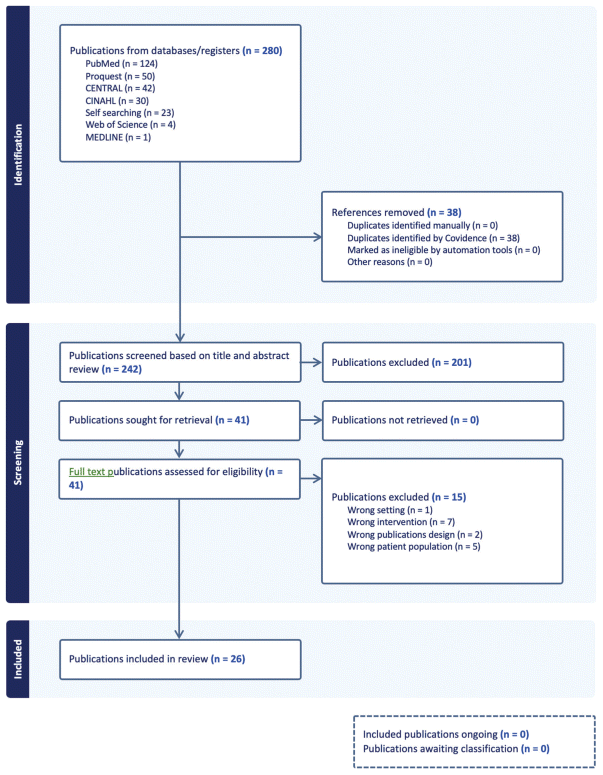
Figure 1 PRISMA flow chart. The benefits, knowledge, safety, and experience of massage therapy and massage therapists regarding domestic and family violence: a scoping review.
Selina DiPronio, LMT,1* Sarah Fogarty, RMT, PhD2
1Pacific College of Health and Science, New York, USA,
2School of Medicine, University of Western Sydney, Sydney, AustraliaBackground
Sexual abuse (SA) and domestic and family violence (DFV) are a worldwide issue with high incidence rates. While massage therapists are not generally frontline responders, they may see individuals presenting with the lifelong sequelae of DFV/SA.
Purpose
The aim of this scoping review is to characterize the nature, scope, quality, and potential reach of publications within the massage therapy and research fields that focus on massage and massage therapy treatment for those who have or are currently experiencing DFV and/or SA. Additional objectives for this review are the intent to compile a summary of practice- and evidence-based recommendations and completion of an appraisal of included publications.
Methods
A scoping review was conducted following Arksey and O’Malley’s six-step scoping review framework and the PRISMA-ScR guidelines. The electronic databases PubMed, ProQuest, CENTRAL, CINHAL, Web of Science, and MEDLINE as well as Google Scholar were searched to identify publications. Summaries of the publications were undertaken as the included publications did not yield enough rich qualitative data to undertake a thematic analysis.
Results
Twenty-six publications were included from five countries with the most papers coming from the United States. The review demonstrated multiple psychological benefits of massage with the majority of publications presenting mental health improvements as the predominant impact of massage therapy on individuals who had experienced DFV/SA; however, the majority of the interventional benefits came from SA research.
Conclusion
The review highlighted a void in the interventional research on massage and DFV with no interventional study focusing on DFV and massage solely despite anecdotal evidence of benefit. There was also a lack of evidence of impact of massage in clinical practice for individuals with any history of DFV/SA. There is potential that massage therapy may be a useful tool in aiding survivors’ recovery, if administered by trained individuals.
KEYWORDS: Mental health; massage therapy; domestic and family violence; sexual abuse; sexual assault
Massage is “a patterned and purposeful soft-tissue manipulation accomplished by use of digits, hands, forearms, elbows, knees, and/or feet, with or without the use of emollients, liniments, heat and cold, handheld tools, or other external apparatus, for the intent of therapeutic change.”(1) Massage therapy consists of the application of massage and non-hands-on components, including health promotion and education messages, for self-care and health maintenance; therapy, as well as outcomes, can be influenced by therapeutic relationships and communication; the therapist’s education, skill level, and experience; and the therapeutic setting.(1) Massage and massage therapy have been delineated separately based on the difference between massage provided from a trained individual both in terms of massage techniques and non-hands-on skills and massage provided with limited or no training. While massage therapy is better known for its benefits on pain and muscular tension, research evidence has been increasing over the last 20 years on the beneficial effects of massage on mental health (mental health is a state of mental well-being that enables people to cope with the stresses of life, realize their abilities, learn well and work well, and contribute to their community).(2)
Statistics show that “one in every eight people in the world live with a mental disorder or a mental health condition.”(3) These conditions include, but are not limited to, anxiety, depression, mood disorders, stress, and/or trauma. There is growing evidence that massage might be beneficial in assisting mental health in many populations including pregnant women,(4–8) cancer patients including adults and children,(9–12) laboring women,(13–15) preoperative surgical patients,(16,17) intensive care unit patients,(18) burn patients,(19) healthy women,(20) adults,(21) individuals with dementia,(22–24) individuals having surgery,(25,26) veterans,(27) individuals with human immunodeficiency virus (HIV) disease,(28) individuals with a brain tumor,(29,30) nursing students,(31) healthcare workers,(32) young adults,(33) and victims/survivors of sexual abuse (SA).(34,35)
SA (“any nonconsensual or exploitive sexual behavior or activity imposed on an individual without their consent”(36) or “the actual or threatened physical intrusion of a sexual nature, whether by force or under unequal or coercive conditions”(37)) and domestic and family violence (DFV) (behaviors in which one individual gains power over another through abusive methods, including physical violence, sexual violence, psychological aggression, emotional manipulation, and neglect that results in harm in an intimate or domestic setting(38)) are a worldwide issue with high incidence rates. In the United States alone there are 1500 deaths annually and a national economic cost of over $12 billion every year from DFV/SA.(38–40) Health-care professionals play an important role in supporting and empowering individuals experiencing DFV/SA(41,42) and while massage therapists are not generally frontline responders, they may see individuals presenting with the lifelong sequelae of DFV/SA(43) such as chronic pain, migraines,(43) anxiety, depression, substance abuse, post-traumatic stress disorder,(43,44) irritable bowel syndrome, asthma, diabetes, fibromyalgia, and other autoimmune diseases.(45) Given the incidence rates of DFV/SA, massage therapists are “likely, at some point, to come into contact with a client who either is or has been subjected to domestic violence” (p. 2)(46) with Sohnen-Moe and Benjamin (2021) estimating a massage therapy “practitioner could generally expect that approximately one in five clients will likely be a survivor of sexual abuse (p. 295)”.(47) A 2024 systematic review highlighted the emergent exploration of massage therapy as a potential means of helping survivors of rape SA, and the review evaluated the psychological support benefits of massage therapy.(48) The authors concluded that massage had a large number of positive effects on the care of people who have suffered sexual violence and that “massage therapy can serve as an important adjunct to traditional psychotherapeutic treatments, providing tangible benefits that extend beyond the psychological realm into the somatic experience of survivors.”(48) The review did not include DFV which can overlap with SA nor did it explore factors which might contribute to massage therapists’ and consumers’ safety and comfort in utilizing massage therapy in a clinical setting. For example, despite the frequency with which a massage therapist might encounter a victim/survivor of DFV/SA and the purported benefits of massage for individuals experiencing SA, some massage therapists believe that any discussion of DFV has no place in massage therapy(49) and some massage therapists exclude psychotherapeutic treatment of trauma related to rape and abuse.(50) Additionally, many of the included papers in the 2024 review provided massage care in research settings with additional psychological supports, and it is unclear if these benefits and effects translate into clinical practice. If individuals seek out massage therapy and other complementary therapies to manage the sequelae of DFV and/or SA, it is important to not only understand the benefits of massage but also the current research, education, and clinical practice around DFV and SA, and the experiences and beliefs of therapists and consumers. Doing so could enhance the care provided to DFV and/or SA survivors, improve the environment in which care is provided, and expand the quality of education provided to massage therapists about DFV/SA and massage. Thus, the aim of this scoping review is to characterize the nature, scope, quality, and potential reach of publications within the massage therapy and research fields that focus on massage therapy treatment for those who have or are currently experiencing DFV and/or SA. The secondary objectives of this review are (i) a complete summary of recommendations related to massage therapy for SA and DFV from reviewed publications and (ii) complete quality appraisals for publications included in the review.
This review used a scoping review methodology which provides an overview of and identifies the available evidence about a particular topic and specific populations.(51)
The study design was informed by the PRISMA-ScR guidelines(52) and the five-stage process for a scoping review design as outlined by Arksey and O’Malley(51) and further developed by Levac, Colquhoun, and O’Brien(53) is as follows: (i) identifying the research question; (ii) identifying relevant publications; (iii) publication selection; (iv) charting the data; and (v) collating, summarizing, and reporting results. The authors used the Covidence software tool(54) for screening and data extraction.
Specific inclusion and exclusion criteria were used to inform the study selection.
The included publications had to be focused exclusively on DFV and/or SA and refer to, examine, or include massage or massage therapy provided in a professional, health-focused environment/context. Massage or massage therapy discussion, examination, or intervention can be provided by anyone as long as the health context is present. Massage therapy could be administered at any timeframe along the spectrum of care such as concurrent to the DFV/SA or in the years after the DFV/SA had occurred. Publications were needed to include outcomes such as benefits, experiences, and perspectives with a particular focus on mental health. Publications included any mixed methods, qualitative and quantitative studies, as well as the following gray literature: dissertations/theses and trade publications.
Self-massage interventions were excluded as the effectiveness of self-massage for mental health conditions is unknown. Publications about massage provided as part of a holistic multidisciplinary care program were not included unless the massage findings were able to be distinguished from other therapies. Publications about (i) massage delivered within the sex industry context and (ii) sexual or domestic violence within the sex industry context were excluded.
The electronic databases PubMed, Pro-Quest, CENTRAL, CINHAL, Web of Science, and MEDLINE were searched to identify publications potentially eligible for inclusion based on the predetermined criteria. The database searches were from inception until October 31, 2024 and limited to those published in English. The reference lists of all publications that met the inclusion criteria were scanned to identify further relevant publications. Self-searching, such as through Google Scholar, was implemented as well.
The search strategy included the Boolean terms “OR”/“AND,” Medical Subject Headings (MeSH), CINAHL headings, and truncation “*”. Varied combinations of search terms and MeSH terms that were unique to each database were used in this search strategy. Keywords and their synonyms were combined (domestic violence* OR family violence OR intimate partner violence OR domestic and family violence OR sexual abuse*) AND (massage OR soft tissue therapy OR myotherapy OR myofascial release).
After removing duplicates, both authors independently screened all titles and abstracts for inclusion into the review. Following this preliminary screening, the full-text publications were obtained and assessed independently by both the authors for eligibility. Both the authors contributed to the discussion to resolve any disagreements regarding inclusion. All studies eligible for the review had data extracted by one of the authors and were checked by the other author. See Figure 1. Author SDP only screened and extracted data from the Fogarty et al. publications.
|
| ||
|
Figure 1 PRISMA flow chart. The benefits, knowledge, safety, and experience of massage therapy and massage therapists regarding domestic and family violence: a scoping review. | ||
Data were extracted using a descriptive analysis that included details of the publications such as authors, date of publication, any intervention provided, results, information about any theoretical underpinnings of DFV/SA in the massage space or how massage might work, and recommendations or advice about working with DFV/SA in massage spaces. The latter was specifically collected to undertake a synthesis of practice- and evidence-based recommendations. Both authors extracted the data and onsensus was obtained. Data were also extracted on the reach of the publications including general public, industry, community, and academic reach.
All included full-text publications were appraised using the appropriate Joanna Briggs Institute (JBI) critical appraisal checklist tools(55–61) or the Mixed Methods Appraisal Tool (MMAT).(62) The checklists appraise the publications’ quality, reporting of, and risk of bias to assess the trustworthiness, relevance, and finding/results. The appraisal tools for research studies also appraise the methodological quality of the study. No publications will be excluded based on the checklist tools as “decisions on whether a study is considered weak, moderate, or strong are based on arbitrary cut-off scores.”(63) Instead, a summary of the strengths and weaknesses of the publications will be provided, and data will be extracted, where possible, from the publications using quotes, thematic analysis, qualitative counts or scoring, and or experiential input. Both authors appraised the publications, and any deviations were resolved via discussion between the two authors. The papers by Fogarty et al.(49,64) were appraised only by SDP.
After removing duplicates and publications that did not meet the inclusion criteria, data from 26 publications were included in the review (see Figure 1). The characteristics of the included 26 publications are presented in Tables 1–4. The included publications did not yield enough rich qualitative data to undertake a thematic analysis.
Table 1 Trade and or Educational Publications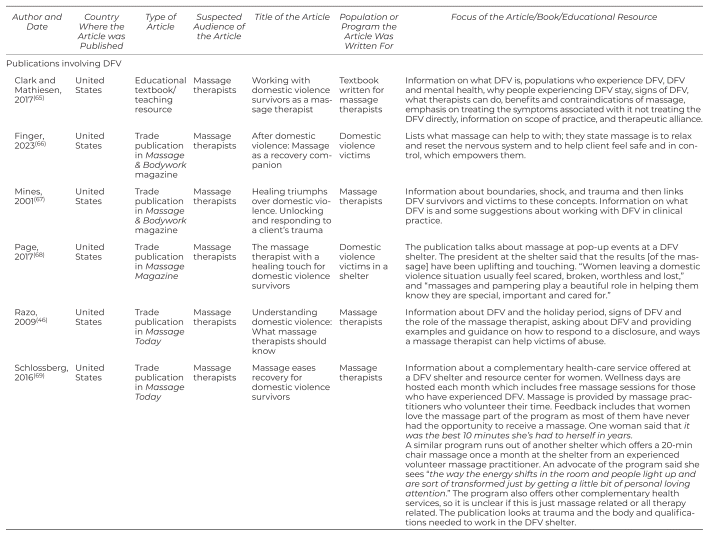
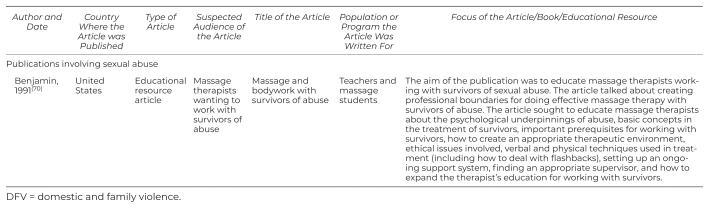
Table 2 Non-Interventional Publications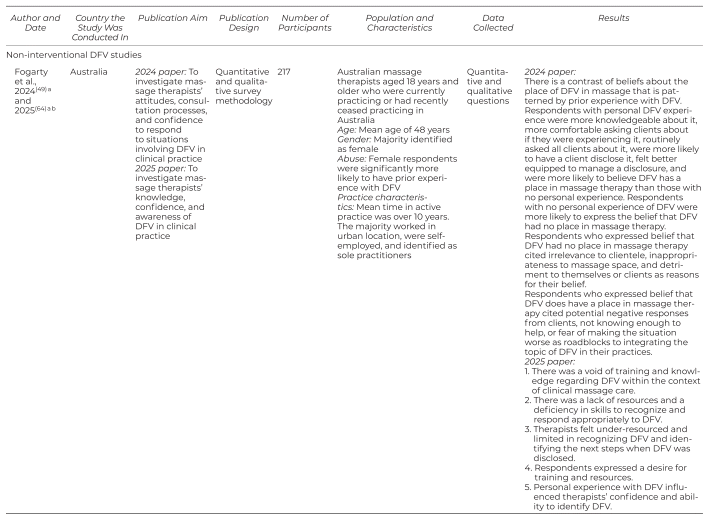
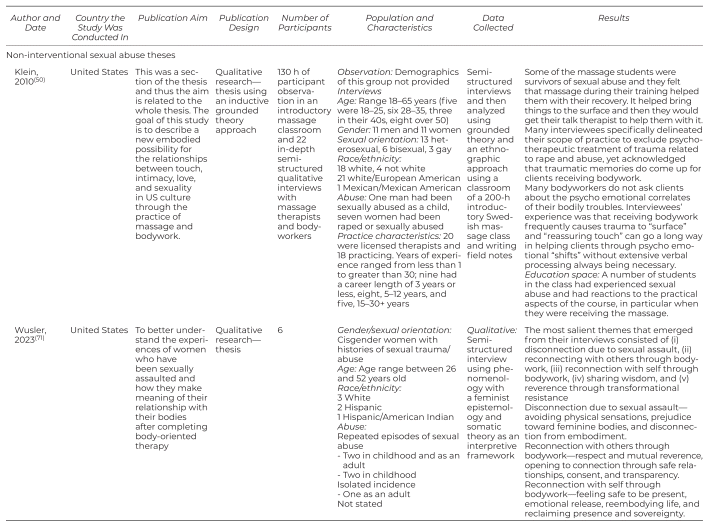
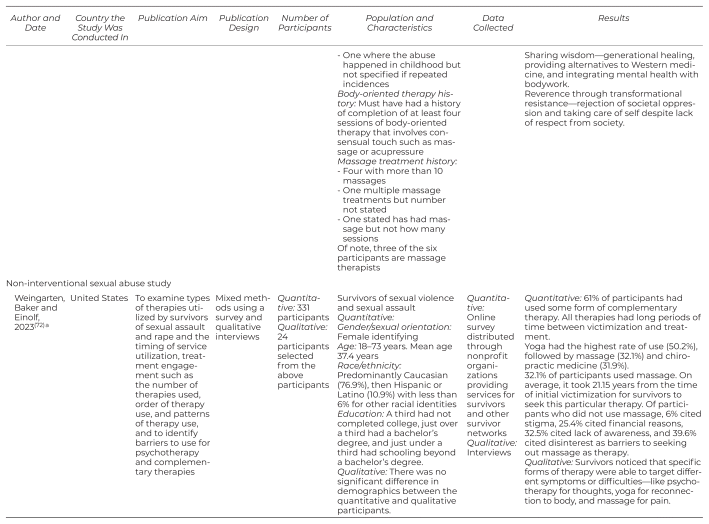
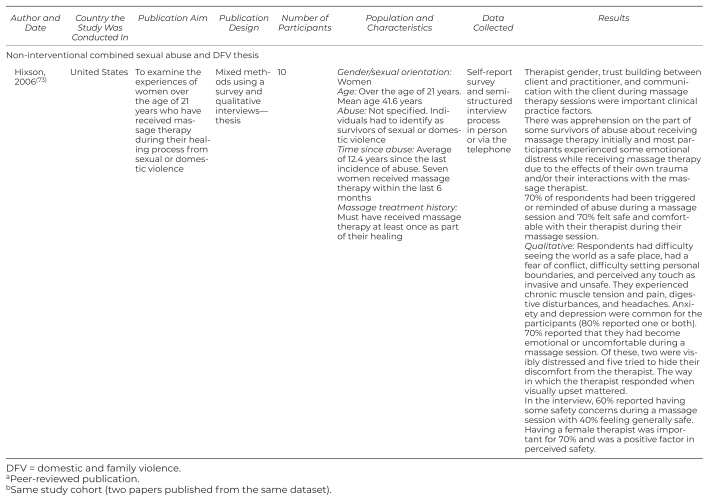
Table 3 Publications Involving Interventional Treatments (Massage) with No Control Group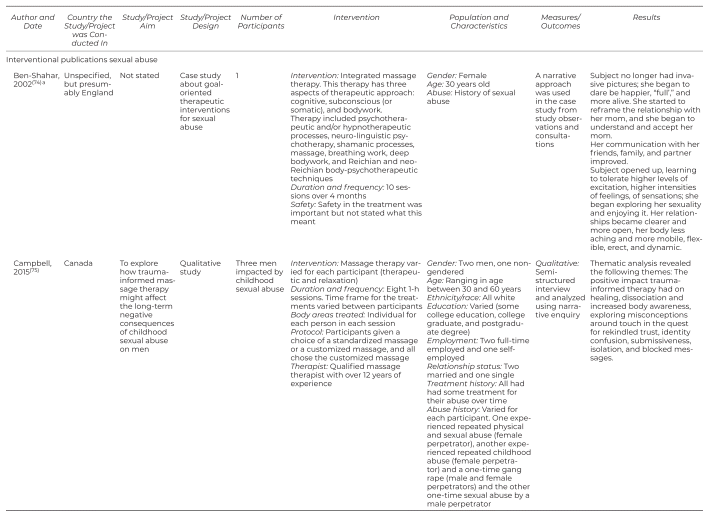
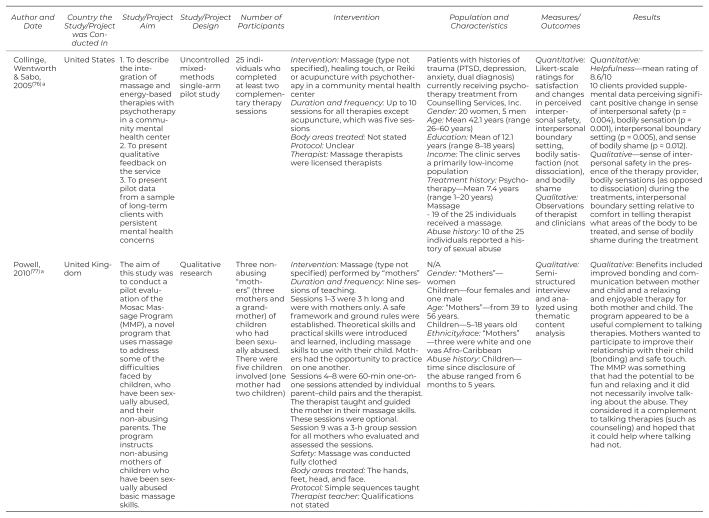
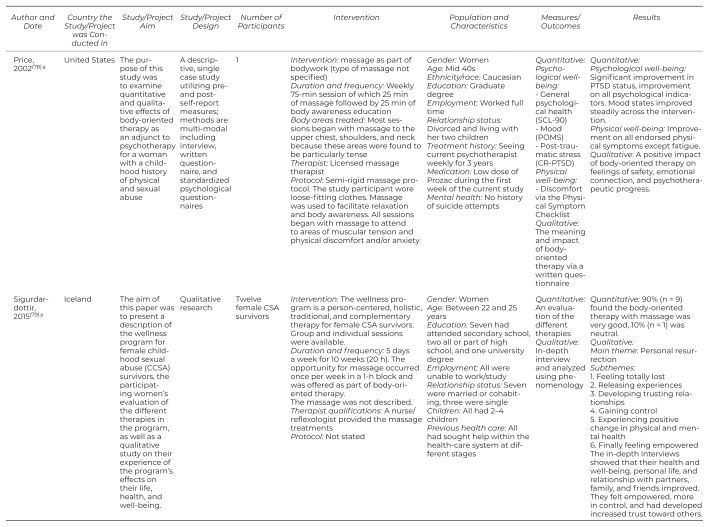
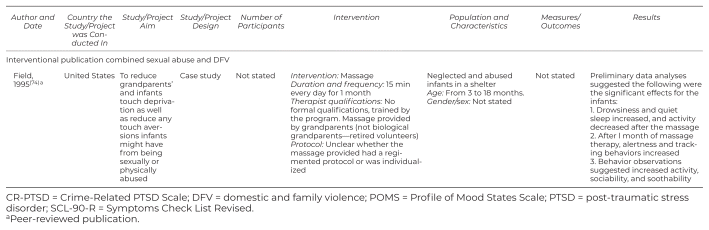
Table 4 Interventional Publications with a Control Group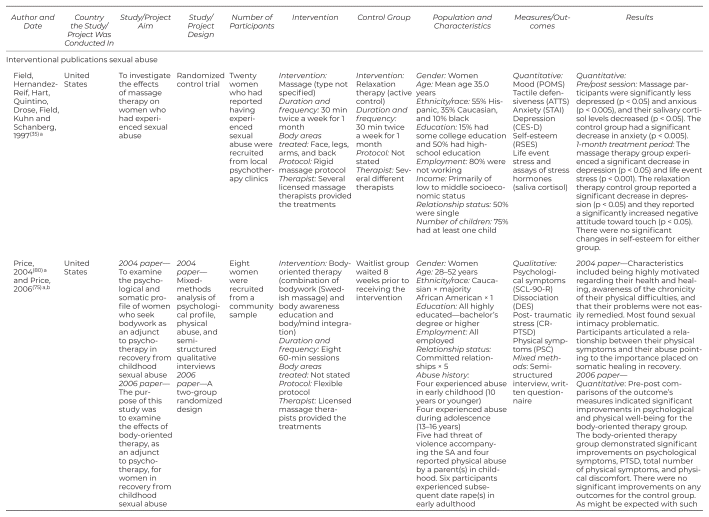
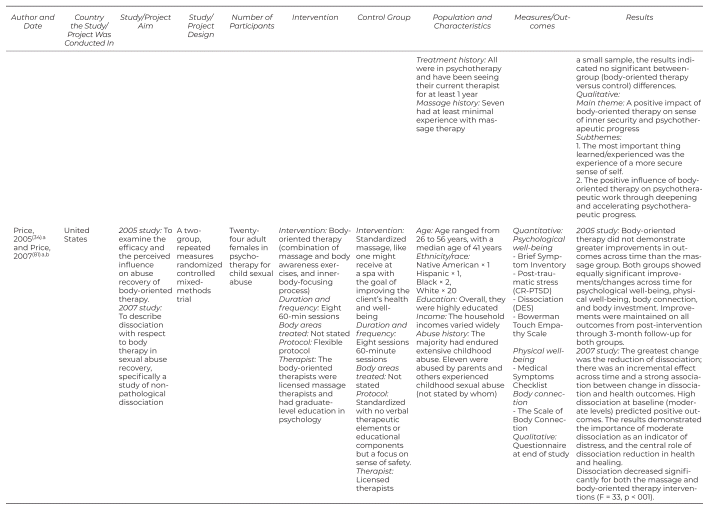
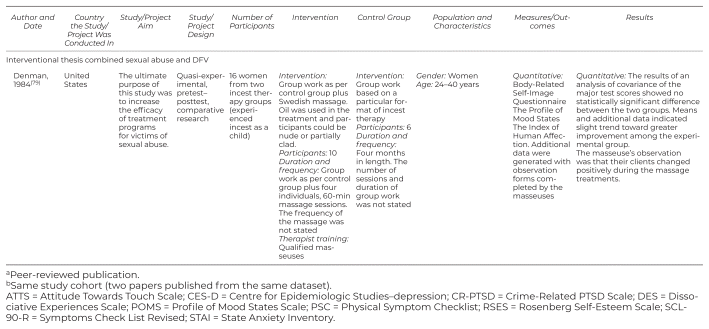
There were five trade articles published(46,66–69) from three trade magazines including Massage & Bodywork magazine, Massage Magazine, and Massage Today, and two educational pieces including one electronic resource(70) and one book.(65) The majority of these publications covered DFV (see Table 1). Two articles,(46,67) the online electronic resource,(70) and the book(65) were discovered in the Google Scholar search and three articles(66,68,69) were discovered through review of other references or using a Google search.
There were six non-interventional publications(49,50,64,71–73) (see Table 2). There were three theses, two using qualitative methodologies(50,71) and one utilizing a mixed-methods approach.(73) Two prevalence studies(49,72) were conducted using the mixed-methods survey methodology with the Fogarty study resulting in two publications(49,64) (see Table 2).
There were 9 interventional studies(34,35,74–79,82) and 2 theses(83,84) resulting in 13 publications(34,35,74–79,80–84) (see Tables 3 and 4). All but the Price 2002(78) case study covered SA, with the Price(78) case study covering childhood physical and sexual abuse. No interventional study or thesis investigated DFV solely.
There were six interventional studies(74,76–79,82) and one thesis(83) that had no control group in their experimental design (see Table 3). Three of these studies did not provide massage as part of the study design but were investigating individuals in a community setting who had or were receiving massage and had a history of DFV/SA.(76,77,79) The methodologies included three case reports,(74,78,82) a thesis using a qualitative methodology,(83) an uncontrolled mixed-methods single-arm pilot study,(76) and a qualitative study.(77)
There were three interventional studies(34,35,75) and one thesis(84) utilizing a control arm/group resulting in six publications(34,35,75,80,81,84) (see Table 4). The Price 2004(80) paper was a study conducted within a trial looking at psychological and somatic profiles of women in the body-oriented arm of their randomized control study sample,(75) and the Price 2007(81) paper reported on an analysis of dissociation in their study sample.(34) The methodologies included a thesis utilizing a quasi-experimental pretest–posttest comparative design,(84) a randomized controlled trial (RCT),(35) and two mixed randomized control studies.(34,75)
Three RCTs,(34,35,75) one prevalence study,(72) a single-arm study,(76) two case studies,(78,82) and four theses (two qualitative,(50,71) one mixed methods,(73) and one quasi experimental(84)) were conducted/undertaken in the United States. One prevalence study was conducted in Australia,(49) one case report(74) and one qualitative study(77) were conducted in the United Kingdom, one qualitative study was conducted in Iceland,(79) and one qualitative thesis was undertaken in Canada.(83) All seven trade/educational articles were published in the United States.(46,65–70)
One prevalence study,(49) five trade articles,(46,66–69) and one educational book(65) investigated or discussed DFV. There were three RCTs,(34,35,75) one prevalence study,(72) two case reports,(74,78) a single-arm study,(76) two qualitative studies,(77,79) four theses,(50,71,83,84) and one online educational resource(70) that investigated or discussed massage and sexual assault survivors. One qualitative thesis(73) and one case report(82) combined DFV and SA in their study sample.
No publications investigated the use of massage for individuals currently experiencing DFV and/or SA. Two trade articles(68,69) shared details about massage being provided in a DFV shelter. There were two educational resources for massage therapists working with DFV/SA survivors: an electronic resource(70) and a book.(65) A prevalence study,(49) a single-arm study,(76) and a thesis project(50) did not specifically seek out participants with a DFV and/or SA history. In the two studies, massage therapists(49) and community mental health program participants(76) were the population of interest. In the thesis project, massage therapy students(50) were the population of interest and just over 36% of the massage students disclosed a history of SA.(50) In the Fogarty et al., 2024(49) prevalence study 49.5% of massage therapists disclosed a personal experience of DFV, and in the Collinge et al. 2005(76) study 40% of the community mental health program participants disclosed a history of SA.
Three RCTs,(34,35,75) one prevalence study,(72) three case reports,(74,78,82) two qualitative studies,(77,79) and four theses (two qualitative,(50,71) one mixed methods,(73) and one quasi experimental(84)) specifically sought participants with an experience of DFV and/or SA. In the 1997 RCT,(35) 2002 case report,(74) 2023 prevalence study,(72) and 2006 thesis,(73) it was unclear or not stated if the abuse occurred in childhood, adulthood, or both. The 1995 case study,(82) the 2010 qualitative study,(77) and the 1984 quasi experimental thesis(84) focused exclusively on treating children who had experienced childhood abuse. The 2005(34) and 2006(75) RCTs, the 2002 case study,(78) the 2015 qualitative study,(79) and the 2015(83) qualitative thesis focused exclusively on treating adults who had experienced childhood abuse. The 2023(71) qualitative thesis included participants who experienced SA both as a child and as an adult (50%) and SA only as a child (50%).
Three trade articles did not present information on specific clients or abuse types.(46,66,67)
All the study and/or thesis populations(34,35,49,50,71–76,78,79,83,84) except Powell and Cheshire, 2010(77) and Field, 1995(82) sought the experience of and/or provided treatment to adult populations. The Field, 1995(82) case report recruited infants (3–18 months) and the Powell and Cheshire, 2010(77) qualitative study recruited children 5–18 years of age.
Two case reports involved women only.(74,78) A prevalence study,(49) a single-arm study,(76) and a thesis project(50) recruited men, women, and those who chose to self-describe. Two qualitative studies,(77,79) three RCT studies,(34,35,75) one prevalence study,(72) and three theses (one qualitative,(71) one mixed methods,(73) and one quasi experimental(84))(71,73,84) included women only, one qualitative thesis recruited men only,(83) and gender/sex was not reported for one case report study.(82)
There was diversity across all aspects of reporting on the massage intervention including type of massage, duration, frequency, areas treated, protocols applied, and therapist details. The Powell and Cheshire, 2010(77) qualitative study reported on a teaching program for non-abusing mothers/grandmothers of children who had been sexually abused but did not report on the style of massage taught or the massage techniques taught.
One case report study(82) and two theses projects(83,84) utilized massage only as the treatment intervention. One single-arm pilot study,(76) one case study,(74) and one qualitative study(79) had massage as part of a multimodality intervention or wellness program. One RCT study had massage with relaxation therapy as an active control.(35) Two RCT studies(34,75) and one case report(78) had massage as part of a body-oriented intervention which combined massage with body awareness and/or mind–body integration. The Price, 2005(34) RCT study had the control intervention as massage only, compared to massage and body-oriented therapy in the intervention arm.
The type of massage provided was stated in two RCT studies(34,75) and two theses projects.(83,84) Swedish massage was provided in one RCT study(75) and one quasi-experimental thesis project,(84) “massage like you get in a spa” was provided in one RCT study,(34) and relaxation or therapeutic massage was provided in one qualitative thesis project cohort.(83)
Duration of the treatments varied with one single-arm pilot study,(76) one qualitative study,(79) and two theses(83,84) providing 60-min sessions; one case report study providing 15-min treatments(82); and one RCT study providing 30-min treatments.(35) The Price studies provided 25 min of massage plus 25 min of body awareness and then body–mind integration with additional time for consultation and check-in.(34,75,78) One case report did not report on the duration of the treatment.(74)
Frequency and time between treatments varied with one RCT study providing eight sessions in a month (twice a week),(35) another RCT providing eight treatments weekly,(75) and one case report providing daily treatments for a month.(82) One RCT provided 8 treatments(34) and one single-arm pilot study provided 10 treatments,(76) but neither stated the timeframe within which the treatments were provided. One case report provided 10 treatments over 4 months but did not state what the treatment intervals were.(74) One thesis project provided eight sessions and stated that the timeframe for these sessions varied for participants.(83) One qualitative study did not report on the frequency of the treatments.(79) One quasi-experimental thesis project provided treatment for 8 months but did not report on the total number of treatments nor the frequency of the treatment thesis.(84)
Two case reports,(74,82) one single-arm pilot study,(76) one qualitative study,(79) two RCT studies,(34,75) and one quasi-experimental thesis(84) did not report on the areas of the body they treated with massage. The 2015 qualitative thesis project(83) provided individualized treatments but did not report the areas of the body treated. The chest, shoulders, and neck were treated in the Price, 2002(78) case report, and the face, legs, arms, and back were treated in the Field, 1997(35) RCT study.
Two case reports,(74,82) one single-arm pilot study,(76) one qualitative study,(79) and one quasi-experimental thesis(84) did not state if there was a massage protocol as part of their study/project. The qualitative 2015 thesis project(83) provided individualized treatments, but no protocol was mentioned. One case report(78) and three RCT studies utilized massage study protocols.(34,35,75)
One case report,(78) one single-arm pilot study,(76) three RCT studies,(34,35,75) and two theses projects(83,84) had licensed/qualified massage therapists providing the massage treatment. One qualitative study had a nurse/reflexologist provide the treatment, but their massage qualifications were not stated,(79) and one case report did not report on the therapists’ qualifications.(74) The mothers and “grandparents” (volunteers) in the Field, 1995(82) case report were trained (not stated by whom) but were not licensed or qualified massage therapists.
Three case reports,(74,78,82) one single-arm pilot study,(76) three RCT studies,(34,35,75) two qualitative studies,(77,79) one prevalence study,(72) and four theses projects(71,73,83,84) provided findings or results that massage therapy had a positive effect on the health of people who have experienced DFV/SA. In the Hixon mixed-methods thesis project,(73) the massage was not used as part of a healing process from their DFV/SA; however, for the 2010(77) qualitative study it was used as an adjunct or complement to talking therapies where the abuse was not talked about in the massage sessions. For the 2005 RCT,(34) the 2006 RCT,(75) the 2002 Price(78) case report, the 2005 single-arm pilot study,(76) and the 2002 Ben-Shanhar(74) case report, massage was part of the therapy alongside psychological care for the impact of their DFV/SA experience.
Three RCT studies,(34,35,75) one single-arm pilot study,(76) two case reports,(78,82) one qualitative study,(79) and two theses projects(73,84) quantitatively assessed the benefits of massage after massage-based interventions or massage use. The majority found that massage therapy led to positive psychological and/or physical beneficial effects for participants.
Massage was rated very highly for helpfulness in one single-arm pilot study (86%)(76) and one qualitative study (90%), and reasonably helpful in a thesis project (66%)(73)). Participants in the Hixson, 2006(73) mixed-methods thesis project rated massage as helpful for coping with the impact of SA.
Two RCTs,(34,75) one single-arm pilot study,(76) two case reports,(74,78) one prevalence study,(72) two qualitative studies,(77,79) and three theses projects(71,73,83) contained qualitative findings following massage-based interventions or massage use, of which the majority implied that massage therapy led to beneficial effects for participants.
A number of publications provided recommendations or observations about working with individuals who had experienced DFV/SA in a number of areas such as therapist traits, resources, safety (both overall and during the massage), training, boundaries, and the massage itself (see Table 5). Establishing trust and having the additional training to work with DFV/SA clients was important as was setting appropriate boundaries. Many recommendations/observations to enhance the clients’ feeling of safety during the massage consultation were presented. While the need for additional training was mentioned, this was often vague. Trauma training was mentioned most frequently as needed for working with DFV/SA. Two trade articles provided comments on the experience of being a massage therapist working with DFV clients.(66,68) Page(68) felt that working with DFV clients had given them more overall compassion toward all their massage clients, and Finger(66) disclosed their DFV history to clients to build rapport. Both therapists have resources that they provide their clients about DFV and DFV services.(66,68)
Table 5 Recommendations from Included Publications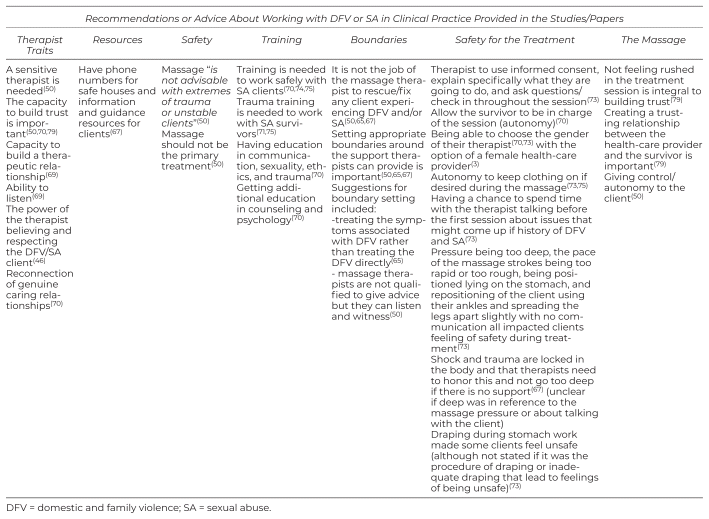
The publications demonstrated moderate reach among both the general public and the massage industry, including massage therapists, educators, and policy makers. A total of 19 out of 26 publications (73.1%) were discoverable via Google Scholar, though only 11 (42.3%) were freely accessible. Ten publications (38.5%) appeared in massage- or bodywork-specific outlets, evenly split between trade articles (n = 5) and peer-reviewed journals (n = 5). Publications in non–massage-specific peer-reviewed journals tended to receive higher citation counts, indicating broader academic impact. Community reach was evident through the accessibility of trade publications and publicly available articles, which facilitated engagement beyond academic audiences (see Table 6).
Table 6 The Reach of the Included Publications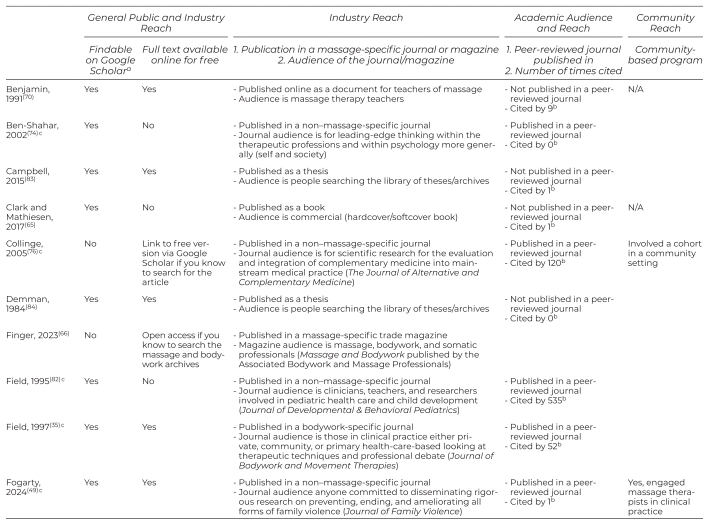
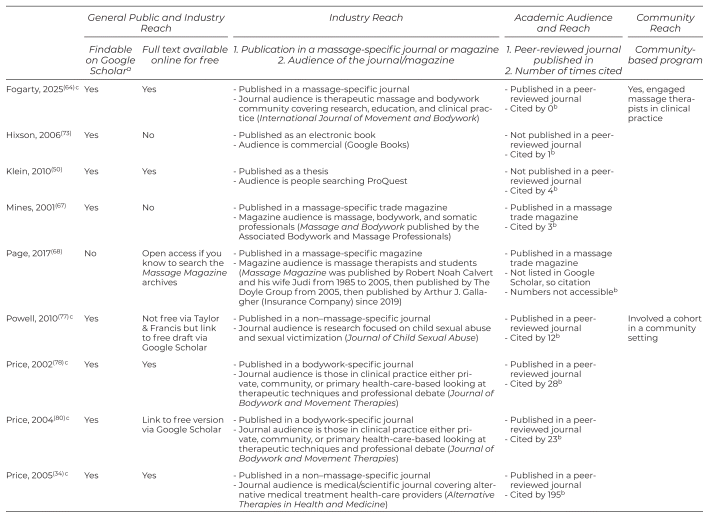
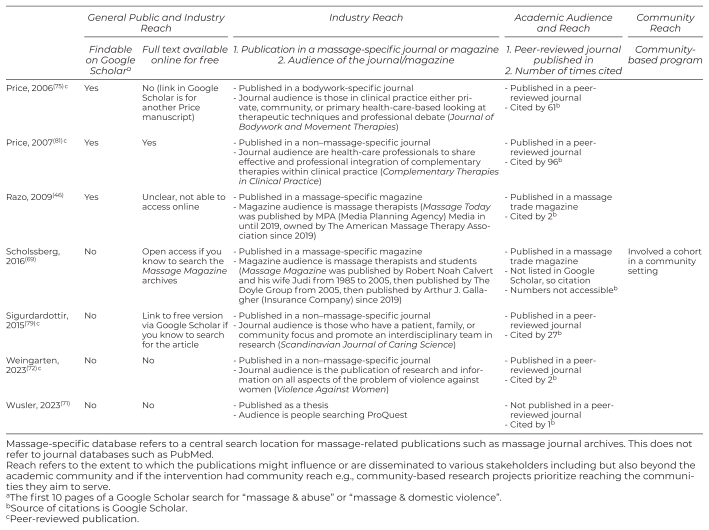
All publications except the 2006 thesis(73) and the 2005 uncontrolled mixed-methods single-arm pilot study(76) were appraised using the JBI critical appraisal tools(55–61) (see Tables 7–13). The 2006 thesis(73) and the 2005 uncontrolled mixed-methods single-arm pilot study(76) were appraised using the MMAT(62) (see Table 14).
Table 7 The JBI QARI Critical Appraisal Checklist for Text and Opinion Pieces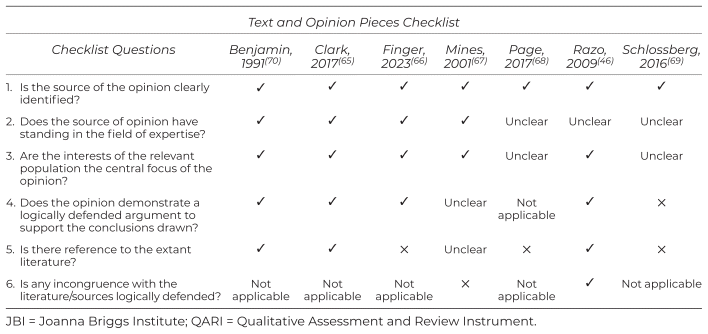
Table 8 The JBI QARI Critical Appraisal Checklist for Case Reports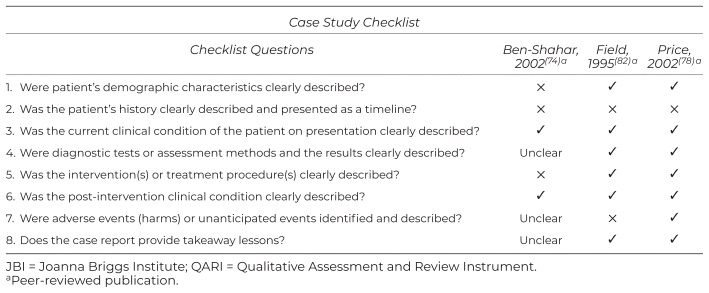
Table 9 The JBI QARI Critical Appraisal Checklist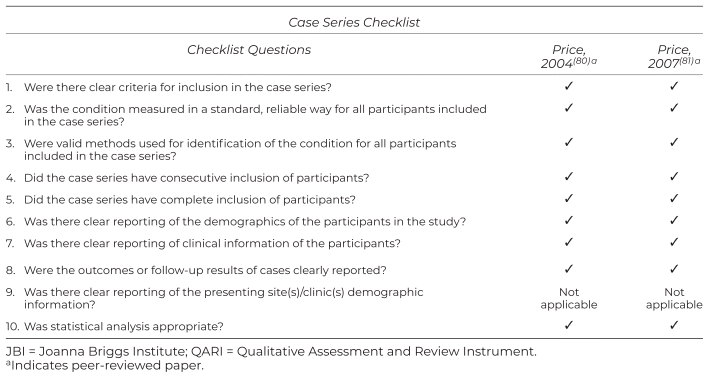
Table 10 The JBI QARI Critical Appraisal Checklist for Prevalence Studies/Surveys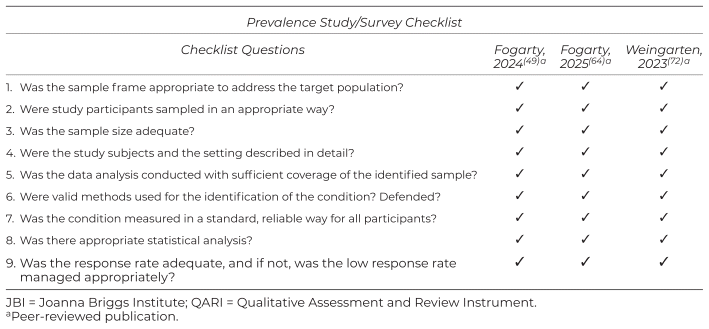
Table 11 The JBI QARI Critical Appraisal Checklist for Qualitative Studies/Projects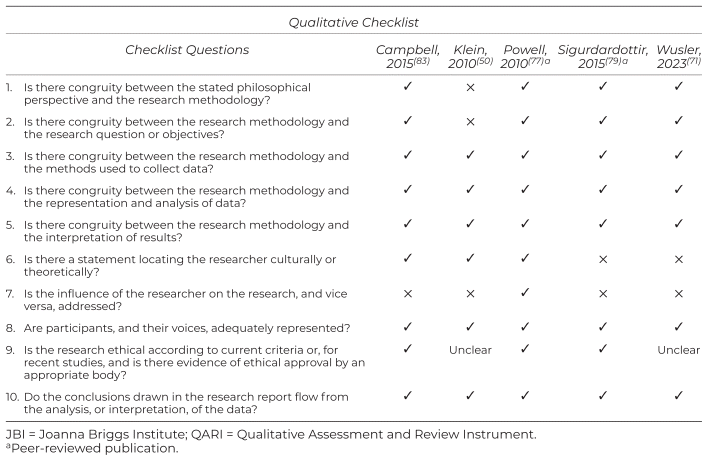
Table 12 The JBI QARI Critical Appraisal Checklist Quasi-Experimental Study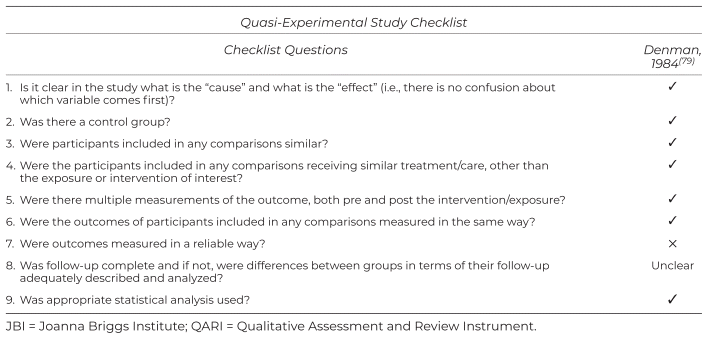
Table 13 The JBI QARI Critical Appraisal Checklist for RCTs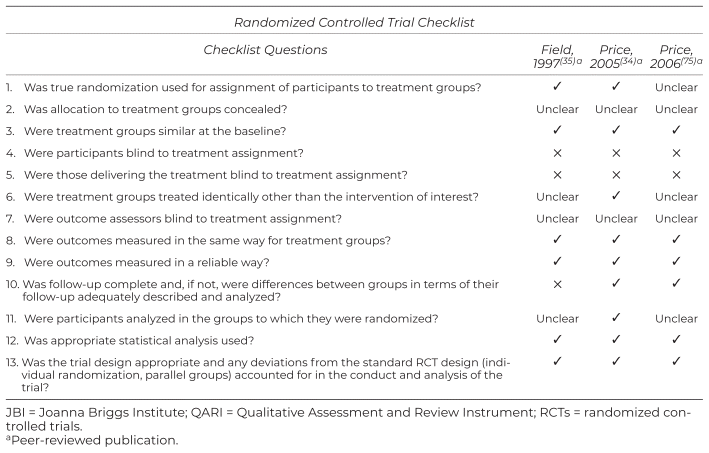
Table 14 Mixed Methods Appraisal Tool (MMAT)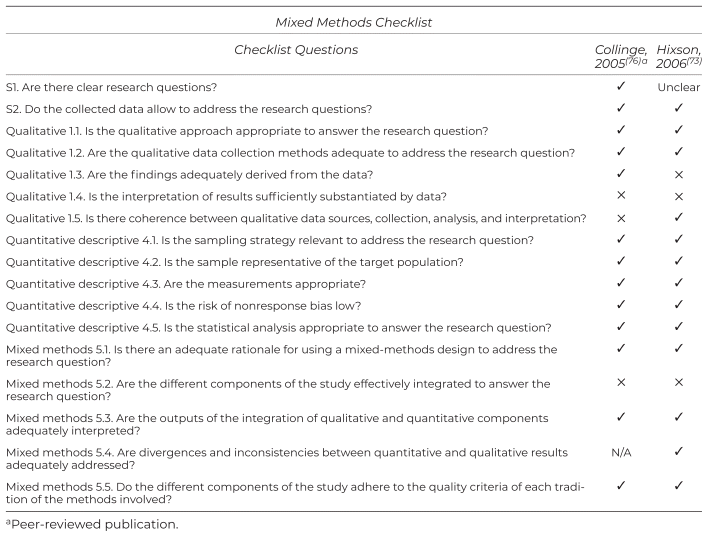
Overall, the critical appraisal of publications exploring massage therapy in the context of DFV/SA revealed a variable standard of methodological quality and reporting. Qualitative studies and thesis projects, case series, and prevalence studies generally demonstrated greater rigor, with clear study aims, data collection methods, and outcome reporting indicating confidence in the reported methods and findings/results/observations and addressing of any biases. However, limitations were more common in quantitative and opinion-based publications. For instance, RCTs did not consistently report on allocation concealment or blinding, increasing the risk of bias. The reporting of trade publications and educational resources was the most variable with several opinion pieces lacking a clear rationale for the author’s expertise or failure to reference existing literature. While the case reports often omitted essential clinical details such as clearly described or presented patient’s history timelines which reduced their interpretability and reproducibility, this might reflect the standards for reporting case reports at the time as all were published over 23 years ago.
The aim of this scoping review was to explore the massage and research literature that reports on the mental health impact of massage for survivors of and those experiencing DFV and/or SA. The review demonstrated multiple psychological benefits of massage with most of the interventional benefits coming from SA research.(34,35,70,71,73–76,78,79,83,84) The review also found that the majority of publications presented mental health improvements as the predominant impact of massage therapy on individuals who had experienced DFV/SA.
The review highlighted a major void in the interventional research on massage with no interventional study focusing on DFV and massage solely despite anecdotal evidence of benefit. This void in research on the role of massage in care for individuals experiencing DFV is important as it is unknown if massage has the same mental health effects on individuals who have experienced nonsexual forms of DFV as it does with those who have experienced SA. Research on the impact of massage, especially mental health impacts, for individuals who have experienced DFV is needed. Additionally, physical injuries, both acute and chronic, can be a consequence of DFV and future research could explore the role of massage in assisting with the management of both acute and chronic DFV-related injuries and the mental health sequelae of these physical injuries.
Many of the interventional studies and the trade publications provided or discussed massage within the context of other supports, with one of the requirements for participating in research studies being regular visits with a psychologist or counselor or providing the massage intervention alongside psychological or other “holistic” care. This integrated care approach was common and thus may potentially be ideal in a clinical practice setting; however, as highlighted by Fogarty et al. (2024 and 2025), many massage therapists do not feel resourced to support individuals experiencing DFV or with a history of DFV. Ensuring that massage therapists have the knowledge, awareness, and networks to encourage an integrated care approach is vital in the provision of best practice care. Additionally, Price raised the idea that the research study and the study setting itself could have fostered a feeling of safety and trust which contributed to the effects of massage.(34) Finding a way that massage therapists in clinical practice can replicate that feeling of safety and trust purported to be established in research environments is important as it is unclear what role massage can play in a clinical setting with no other forms of support. Accreditation or recognition for massage therapists who have experience or additional training in DFV/SA is one potential way that massage consumers might feel the sense of safety and trust purported to be established in research environments.
The scoping review found an interesting juxtaposition between the experiences where massage was applied without knowing if an individual had experienced DFV/SA such as women who self-sought massage as consumers(73) or massage was provided in a learning environment such as a massage classroom(50) and research studies which actively recruited individuals with a history of DFV/SA. The studies recruiting participants with a history of DFV/SA reported predominantly positive findings, whereas the projects surveying individuals where a history of DFV/SA was unknown at the time of the massage treatment reported more mixed findings indicating that massage, while beneficial, could also be triggering.(50,73) Not knowing if a client has a history of DFV/SA or is currently experiencing DFV/SA is probably the norm for massage therapy providers.(47) Whether massage therapists should ask about DFV or SA during consultations is a complex and context-dependent issue.(64) While massage therapists are not typically trained or mandated to screen for DFV, they often work in close, trusting relationships with clients, which may create opportunities for disclosure.(85) Talking a trauma-informed approach focused on creating safety, choice, collaboration, and empowerment(86) for every client, regardless of DFV/SA history, may be more appropriate in therapeutic massage settings than asking specifically about DFV/SA. Massage therapists might choose to undertake trauma-informed training to upskill in this area. Future research into massage and DFV/SA should highlight any massage trauma-informed care training and document any triggers.
A number of reporting issues were highlighted with not many of the studies providing information on the time since the abuse, varied reporting of the massage techniques or styles used, and not many studies reporting on side effects, both mental and physical, from the massage. This makes replication of the massage in a clinical setting difficult. Reporting on current abuse or time since the abuse would allow for a clearer picture of the role massage can play at different time points of an abuse journey and highlight if massage provides different benefits or effects at different time points. This information could help clinicians, other health-care providers, and domestic violence support services to ensure safe provision of massage, provide more informed expectations of potential massage effects, and inform non-hands-on massage care such as education and appropriate referrals at specific time points. More research on massage effects at different time points of abuse is warranted.
The reach findings suggest a mixed impact in terms of accessibility and influence of publications related to massage and DFV and SA. While most publications (73.1%) were discoverable via Google Scholar, the lack of free access to all publications means that key stakeholders, such as consumers, health-care providers, massage therapists, and policy makers, may not have unrestricted access to the full body of available evidence. Encouragingly, the majority of interventional peer-reviewed papers were open access, increasing the likelihood that consumers seeking information on massage and DFV/SA can access relevant findings. However, most peer-reviewed publications did not include a plain language or lay summary of key findings and implications, which likely limits their usefulness for consumers with varying levels of health literacy and scientific background. While publication in both trade and academic outlets reflects an effort to reach diverse audiences, these results highlight the need for greater emphasis on open access publishing and the inclusion of accessible summaries to enhance community reach and the practical impact of research in this field.
A mixed standard of methodological quality and reporting was reported after completing the critical appraisal of publications. However, given the breadth of years that publications for this review were sought, it is not surprising that the reporting varied. Articles covered a 41-year time period where there were many different reporting standards and conventions. For example, the CONSORT (CONsolidated Standards Of Reporting Trials) statement was published in 1996(87) and the American Psychological Association (APA) only started a formal process of developing reporting standards in 2006.(88) Thus, any publications prior to these dates would not have the same reporting expectations or standards as those published after these dates. The quality of reporting of research studies is continually evolving, for example, scholars have recently identified that many current critical assessment tools fail to address cultural rigor in their tools.(89) Strengthening future research through clearer reporting, adherence to current standardized appraisal criteria, and inclusion of lived experience perspectives will enhance the trustworthiness, relevance, and impact of massage for individuals who have experienced DFV/SA.
An area for development is the theoretical grounding of massage in the context of DFV/SA. Compared to the more nuanced and well-articulated theoretical frameworks in SA publications, the DFV literature, particularly some of the trade publications, relied on vague, unreferenced claims such as massage’s ability to “heal inside and out,”(69) or promote “cellular transformation”(46) without citing evidence or theory. No clear principles were offered to explain how massage might support DFV survivors. In contrast, SA studies presented more robust frameworks, including bottom-up trauma approaches,(77) the mind–body connection,(75) the role of massage in enhancing self-care,(34,84) and reconnection with the body to assist with dissociation.(81) These theoretical perspectives support claims that massage may help survivors increase body awareness, a sense of safety, and self-regulation, and serve as a complementary modality to psychotherapy. The development and articulation of theoretical underpinnings are essential to future DFV research to guide research design, interpretation of findings, and application to practice.
This review expands on the impact of massage for survivors of DFV and/or SA. The differing nomenclature of abuse, such as DFV, intimate partner violence, and SA, makes it difficult to synthesize results/findings. Some relevant publications may not have been included due to the exclusion of publications published in a language other than English. The majority of the interventional studies explored massage and SA, and as such the benefits of massage for individuals with a history of SA is over-represented in this review. This may impact the generalizability of the findings and thus may not be applicable to all individuals who have experienced DFV. Findings in this review may not be transferable for massage to treat sequelae from other forms of violence and SA within the sex worker context due to the scope of this review. There is limited geographic diversity within the publications with most publications from the United States, and this limits generalizability of the findings. Very few studies investigated massage in clinical practice and thus our findings might not reflect what is happening in clinical practice for massage therapists.
The positive mental health impacts and experiences of massage for individuals with a history of DFV/SA were commonly reported in all included publications. There was a lack of research evidence for the impact of massage for individuals with a current history of DFV and a lack of evidence of impact of massage in clinical practice for individuals with any history of DFV/SA. The practice- and evidence-based recommendations might provide some interim information for massage therapists until massage therapy- and DFV/SA-specific guidelines can be developed. While the gaps in research are glaring, the findings gathered so far warrant increased attention particularly to the mental health aspect of massage and DFV/SA. There is potential that massage and massage therapy may be a useful tool in aiding survivors’ recovery, if administered expertly and with the knowledge and understanding of DFV/SA and trauma, and given the epidemic status of violence occurrence rates, all potential forms of care must be entertained. Future research into massage effectiveness for DFV is needed.
Both authors are practicing massage therapists.
No sources of funding were used in this study.
1. Kennedy AB, Cambron JA, Sharpe PA, Travillian RS, Saunders RP. Clarifying definitions for the massage therapy profession: the results of the best practices symposium. Int J Ther Massage Bodywork. 2016;9(3):15–26.
PubMed PMC
2. World Health Organisation. Mental health: strengthening our responses. 2022. Available from: https://www.who.int/news-room/fact-sheets/detail/mental-health-strengthening-our-response. Accessed October 30, 2024.
3. World Health Organisation. Mental disorders. 2022. Available from: https://www.who.int/news-room/fact-sheets/detail/mental-disorders. Accessed October 30, 2024.
4. Smith CA, Shewamene Z, Galbally M, Schmied V, Dahlen H. The effect of complementary medicines and therapies on maternal anxiety and depression in pregnancy: a systematic review and meta-analysis. J Affect Disord. 2019;245:428–439.
Crossref
5. Hall H, Lauche R, Fogarty S, Kloester J, Carr B, Munk N. Partner delivered relaxation massage to support mild antenatal anxiety; views of participants. Midwifery. 2022;105:103229.
Crossref
6. Field T, Diego MA, Hernandez-Reif M, Schanberg S, Kuhn C. Massage therapy effects on depressed pregnant women. J Psychosom Obstet Gynaecol. 2004;25(2):115–122.
Crossref
7. Field T, Hernandez-Reif M, Hart S, Theakston H, Schanberg S, Kuhn C. Pregnant women benefit from massage therapy. J Psychosom Obstet Gynaecol. 1999;20(1):31–38.
Crossref PubMed
8. Thomas RB. A pilot study of partner chair massage effects on perinatal mood, anxiety, and pain. Int J Ther Massage Bodywork. 2019;12(2):3–11.
PubMed PMC
9. Rodríguez-Mansilla J, González-Sánchez B, Torres-Piles S, Martín JG, Jiménez-Palomares M, Bellino MN. Effects of the application of therapeutic massage in children with cancer: a systematic review. Rev Lat Am Enfermagem. 2017;25:e2903.
Crossref PubMed PMC
10. Boyd C, Crawford C, Paat CF, Price A, Xenakis L, Zhang W; Evidence for Massage Therapy (EMT) Working Group. The impact of massage therapy on function in pain populations-A systematic review and meta-analysis of randomized controlled trials: part II, cancer pain populations. Pain Med. 2016;17(8):1553–1568.
Crossref PubMed PMC
11. Hughes D, Ladas E, Rooney D, Kelly K. Massage therapy as a supportive care intervention for children with cancer. Oncol Nurs Forum. 2008;35(3):431–442.
Crossref PubMed
12. Listing M, Krohn M, Liezmann C, Kim I, Reisshauer A, Peters E, et al. The efficacy of classical massage on stress perception and cortisol following primary treatment of breast cancer. Arch Womens Ment Health. 2010;13(2):165–173.
Crossref PubMed
13. Chang MY, Wang SY, Chen CH. Effects of massage on pain and anxiety during labour: a randomized controlled trial in Taiwan. J Adv Nurs. 2002;38(1):68–73.
Crossref PubMed
14. Akköz Çevik S, Karaduman S. The effect of sacral massage on labor pain and anxiety: a randomized controlled trial. Jpn J Nurs Sci. 2020;17(1):e12272.
Crossref
15. Mortazavi SH, Khaki S, Moradi R, Heidari K, Vasegh Rahimparvar SF. Effects of massage therapy and presence of attendant on pain, anxiety and satisfaction during labor. Arch Gynecol Obstet. 2012;286(1):19–23.
Crossref PubMed
16. Grafton-Clarke C, Grace L, Roberts N, Harky A. Can postoperative massage therapy reduce pain and anxiety in cardiac surgery patients? Interact Cardiovasc Thorac Surg. 2019;28(5):716–721.
Crossref
17. Li Z, Bauer B, Aaberg M, Pool S, Van Rooy K, Schroeder D, et al. Benefits of hand massage on anxiety in preoperative outpatient: a quasi-experimental study with pre- and post-tests. Explore (NY). 2021;17(5):410–416.
Crossref
18. Hsu WC, Guo SE, Chang CH. Back massage intervention for improving health and sleep quality among intensive care unit patients. Nurs Crit Care. 2019;24(5):313–319.
Crossref PubMed
19. Najafi Ghezeljeh T, Mohades Ardebili F, Rafii F. The effects of massage and music on pain, anxiety and relaxation in burn patients: randomized controlled clinical trial. Burns. 2017;43(5):1034–1043.
Crossref PubMed
20. Hatayama T, Kitamura S, Tamura C, Nagano M, Ohnuki K. The facial massage reduced anxiety and negative mood status, and increased sympathetic nervous activity. Biomed Res. 2008;29(6):317–320.
Crossref
21. Field T, Ironson G, Scafidi F, Nawrocki T, Goncalves A, Burman I, et al. Massage therapy reduces anxiety and enhances EEG pattern of alertness and math computations. Int J Neurosci. 1996;86(3–4): 197–205.
Crossref PubMed
22. Watt JA, Goodarzi Z, Veroniki AA, Nincic V, Khan PA, Ghassemi M, et al. Comparative efficacy of interventions for reducing symptoms of depression in people with dementia: systematic review and network meta-analysis. Br Med J. 2021;372:n532.
Crossref
23. Wu J, Wang Y, Wang Z. The effectiveness of massage and touch on behavioural and psychological symptoms of dementia: a quantitative systematic review and meta-analysis. J Adv Nurs. 2017;73(10):2283–2295.
Crossref PubMed
24. Zhao H, Gu W, Zhang M. Massage therapy in nursing as nonpharmacological intervention to control agitation and stress in patients with dementia. Altern Ther Health Med. 2020;26(6):29–33.
PubMed
25. Babaee S, Shafiei Z, Sadeghi MM, Nik AY, Valiani M. Effectiveness of massage therapy on the mood of patients after open-heart surgery. Iran J Nurs Midwifery Res. 2012;17(2 Suppl 1):S120–S124.
PubMed PMC
26. Mitchinson AR, Kim HM, Rosenberg JM, Geisser M, Kirsh M, Cikrit D, et al. Acute postoperative pain management using massage as an adjuvant therapy: a randomized trial. Arch Surg. 2007;142(12):1158–1167; discussion 67.
Crossref PubMed
27. Collinge W, Kahn J, Soltysik R. Promoting reintegration of National Guard veterans and their partners using a self-directed program of integrative therapies: a pilot study. Mil Med. 2012;177(12):1477–1485.
Crossref
28. Poland RE, Gertsik L, Favreau JT, Smith SI, Mirocha JM, Rao U, et al. Open-label, randomized, parallel-group controlled clinical trial of massage for treatment of depression in HIV-infected subjects. J Altern Complement Med. 2013;19(4):334–340.
Crossref PMC
29. Keir ST. Effect of massage therapy on stress levels and quality of life in brain tumor patients--observations from a pilot study. Support Care Cancer. 2011;19(5):711–715.
30. Keir ST, Saling JR. Pilot study of the impact of massage therapy on sources and levels of distress in brain tumour patients. BMJ Support Palliat Care. 2012;2(4):363–366.
Crossref PubMed
31. Turkeltaub PC, Yearwood EL, Friedmann E. Effect of a brief seated massage on nursing student attitudes toward touch for comfort care. J Altern Complement Med. 2014;20(10):792–799.
Crossref PubMed PMC
32. de Souza TPB, Kurebayashi LFS, de Souza-Talarico JN, Turrini RNT. The effectiveness of chair massage on stress and pain in oncology. Int J Ther Massage Bodywork. 2021;14(3):27–38.
PubMed PMC
33. Wilczyńska D, Łysak-Radomska A, Podczarska-Głowacka M, Zajt J, Dornowski M, Skonieczny P. Evaluation of the effectiveness of relaxation in lowering the level of anxiety in young adults – a pilot study. Int J Occup Med Environ Health. 2019;32(6):817–824.
Crossref
34. Price C. Body-oriented therapy in recovery from child sexual abuse: an efficacy study. Altern Ther Health Med. 2005;11(5):46–57.
PubMed PMC
35. Field T, Hernandez-Reif M, Hart S, Quintino O, Drose LA, Field T, et al. Effects of sexual abuse are lessened by massage therapy. J Bodyw Mov Ther. 1997;1(2):65–69.
Crossref
36. American Psychological Association. APA Dictionary of Psychology – sexual abuse. Washington, USA: American Psychological Association; 2025. Available from: https://dictionary.apa.org/sexual-abuse.
37. Task Team on the SEA Glossary for the Special Coordinator of improving the United Nations response to sexual exploitation and abuse. Glossary on Sexual Exploitation and Abuse. 2017. Available from: https://hr.un.org/sites/hr.un.org/files/SEA%20Glossary%20%20%5BSecond%20Edition%20-%202017%5D%20-%20English_0.pdf.
38. Huecker MR, King KC, Jordan GA, Smock W. Domestic Violence. StatPearls. Treasure Island, FL: StatPearls Publishing LLC.; 2024.
39. Harland KK, Peek-Asa C, Saftlas AF. Intimate partner violence and controlling behaviors experienced by emergency department patients: differences by sexual orientation and gender identification. J Interpers Violence. 2021;36(11–12):NP6125–NP6143.
Crossref
40. Wahi A, Zaleski KL, Lampe J, Bevan P, Koski A. The lived experience of child marriage in the United States. Soc Work Public Health. 2019;34(3):201–213.
Crossref PubMed
41. Hollingdrake O, Saadi N, Alban Cruz A, Currie J. Qualitative study of the perspectives of women with lived experience of domestic and family violence on accessing healthcare. J Adv Nurs. 2023;79(4):1353–1366.
Crossref
42. World Health Organisation. Violence against women. 2021. Updated March 9, 2021. Available from: https://www.who.int/news-room/fact-sheets/detail/violence-against-women. Access date 30 August 2021
43. McCauley M, Head J, Lambert J, Zafar S, van den Broek N. “Keeping family matters behind closed doors”: healthcare providers’ perceptions and experiences of identifying and managing domestic violence during and after pregnancy. BMC Pregnancy Childbirth. 2017;17(1):318.
Crossref PubMed PMC
44. Department of Health & Human Services. Family violence – identifying and responding. State Government of Victoria; 2020. Available from: https://www2.health.vic.gov.au/mental-health/practiceand-service-quality/safety/family-violence-identifying-and-responding. Access date 30 August 2021
45. Uvelli A, Duranti C, Salvo G, Coluccia A, Gualtieri G, Ferretti F. The risk factors of chronic pain in victims of violence: a scoping review. Healthcare (Basel). 2023;11(17):2421.
Crossref PubMed PMC
46. Razo RJ. Understanding Domestic Violence: What Massage Therapists Should Know. Evanston, USA: American Massage Therapy Association; 2009.
47. Sohnen-Moe C, Benjamin BE. The Ethics of Touch: The Hands-on Practitioner’s Guide to Creating a Professional, Safe, and Enduring Practice. Accessed via VitalSource Bookshelf: Books of Discovery; 2021.
48. Amilhau A, Ferrandez S, Soubelet A. Massage therapy for survivors of rape and sexual abuse: a systematic review. Eur J Trauma Dissociation. 2024;8(2):100410.
Crossref
49. Fogarty S, Hay P, Baird K. Understanding Australian massage therapists’ attitudes and confidence to respond to domestic and family violence in clinical practice: findings from a community survey. J Fam Viol. 2024:1–5.
50. Klein NL. Loving Touch: Therapeutic Massage, the Socialization of the Body, and the Healing of US Culture. ProQuest. Santa Barbara: University of California; 2010.
51. Arksey H, O’Malley L. Scoping studies: towards a methodological framework. Int J Soc Res Methodol. 2005;8(1):19–32.
Crossref
52. Tricco AC, Lillie E, Zarin W, O’Brien KK, Colquhoun H, Levac D, et al. PRISMA extension for scoping reviews (PRISMA-ScR): checklist and explanation. Ann Inter Med. 2018;169(7):467–473.
Crossref
53. Levac D, Colquhoun H, O’Brien KK. Scoping studies: advancing the methodology. Implement Sci. 2010;5(1):69.
Crossref PubMed PMC
54. Covidence systematic review software. Veritas Health Innovation; 2024. Available from: www.covidence.org. Accessed February 1, 2024.
55. Lockwood C, Munn Z, Porritt K. Qualitative research synthesis: methodological guidance for systematic reviewers utilizing meta-aggregation. Int J Evid Based Health. 2015;13(3):179–187.
Crossref
56. Barker TH, Stone JC, Sears K, Klugar M, Tufanaru C, Leonardi-Bee J, et al. The revised JBI critical appraisal tool for the assessment of risk of bias for randomized controlled trials. JBI Evid Synth. 2023;21(3):494–506.
Crossref PubMed
57. McArthur A, Klugarova J, Yan H, Florescu S. Chapter 4: Systematic reviews of text and opinion. In: JBI Manual for Evidence Synthesis. South Australia: JBI; 2020. Available from: https://jbi.global/critical-appraisal-tools. Accessed September 18, 2024.
58. Munn Z, Moola S, Lisy K, Riitano D, Tufanaru C. Chapter 5: Systematic reviews of prevalence and incidence. In: Aromataris E, Munn Z, eds. JBI Manual for Evidence Synthesis. South Australia: JBI; 2020.
59. Barker TH, Habibi N, Aromataris E, Stone JC, Leonardi-Bee J, Sears K, et al. The revised JBI critical appraisal tool for the assessment of risk of bias for quasi-experimental studies. JBI Evid Synth. 2024;22(3):378–388.
Crossref PubMed
60. Moola S, Munn Z, Tufanaru C, Aromataris E, Sears K, Sfetcu R, et al. Chapter 7: Systematic reviews of etiology and risk. In: Aromataris E, Munn Z, eds. JBI Manual for Evidence Synthesis. South Australia: JBI; 2020.
61. Munn Z, Barker TH, Moola S, Tufanaru C, Stern C, McArthur A, et al. Methodological quality of case series studies: an introduction to the JBI critical appraisal tool. JBI Evid Synth. 2020;18(10):2127–2133.
PubMed
62. Hong Q, Pluye P, Fàbregues S, Bartlett G, Boardman F, Cargo M, et al. Mixed Methods Appraisal Tool (MMAT) Version 2018 for Information Professionals and Researchers. Canadian Intellectual Property Office, Industry Canada; 2018.
63. Tod D, Booth A, Smith B. Critical appraisal. Int Rev Sport Exerc Psychol. 2022;15(1):52–72.
Crossref
64. Fogarty S, Hay P, Baird K. Understanding Australian massage therapist’s awareness of and knowledge to recognize domestic and family violence: findings from a community survey. Int J Ther Massage Bodywork. 2025;18(1):39–53.
PubMed PMC
65. Clark AM, Mathiesen GC. Using Massage Therapy During Recovery from Domestic Violence & Trauma: Home-St. Createspace Independent Pub; 2017.
66. Finger M. After Domestic Violence: Massage as a Recovery Companion. Massage and Bodywork, Associated Bodywork and Massage Professionals; 2023.
67. Mines S. Healing Triumphs Over Domestic Violence. Unlocking and Responding to a Client’s Trauma. Associated Bodywork and Massage Professionals; 2001.
68. Page S. The Massage Therapist with a Healing Touch for Domestic Violence Survivors. Florida, USA: A Gallagher Company; 2017.
69. Schlossberg B. Massage Eases Recovery for Domestic Violence Survivors. Evanston, USA: American Massage Therapy Association; 2016.
70. Benjamin BE. Massage and Body-Work with Survivors of Abuse. Muscular Therapy Institute; 1991.
71. Wusler A. Reconnection to One’s Body: Healing from Sexual Assault Through Body-Oriented Therapy. New Mexico State University; 2023.
72. Weingarten CA, Baker CK, Einolf CJ. “There is no one way to get over it”: an examination of psychotherapy and complementary therapy use within a sample of survivors who experienced sexual violence. Violence Against Women. 2023;29(14):2941–2963.
Crossref PubMed
73. Hixson AL. Examining the Benefits of Massage Therapy for Survivors of Sexual and Domestic Violence. Dissertation.com, Clayton College of Natural Health; 2006.
74. Ben-Shahar AR. Case study: the courage to heal—in the body. Self Soc. 2002;30(4):28–29.
Crossref
75. Price C. Body-oriented therapy in sexual abuse recovery: a pilot-test comparison. J Bodyw Mov Ther. 2006;10(1):58–64.
Crossref
76. Collinge W, Wentworth R, Sabo S. Integrating complementary therapies into community mental health practice: an exploration. J Altern Complement Med. 2005;11(3):569–574.
Crossref PubMed
77. Powell L, Cheshire A. A preliminary evaluation of a massage program for children who have been sexually abused and their nonabusing mothers. J Child Sex Abus. 2010;19(2):141–155.
Crossref PubMed
78. Price C. Body-oriented therapy as an adjunct to psychotherapy in childhood abuse recovery: a case study. J Bodyw Mov Ther. 2002;6(4):228–236.
Crossref
79. Sigurdardottir S, Halldorsdottir S, Bender SS, Agnarsdottir G. Personal resurrection: female childhood sexual abuse survivors’ experience of the Wellness-Program. Scand J Caring Sci. 2016;30(1):175–186.
Crossref
80. Price C. Characteristics of women seeking body-oriented therapy as an adjunct to psychotherapy during recovery from childhood sexual abuse. J Bodyw Mov Ther. 2004;8(1):35–42.
Crossref
81. Price C. Dissociation reduction in body therapy during sexual abuse recovery. Complement Ther Clin Pract. 2007;13(2):116–128.
Crossref PubMed PMC
82. Field T. Massage therapy for infants and children. J Dev Behav Pediatr. 1995;16(2):105–111.
Crossref PubMed
83. Campbell D. The Effect of Trauma-Informed Massage Therapy on the Long-Term Negative Consequences of Childhood Sexual Assault in Males. Acadia University; 2015.
84. Denman MA. Massage as Adjunctive Therapy for Incest Victims: A Body-Mind Approach. California State University, Northridge; 1984.
85. Spangaro JM, Zwi AB, Poulos RG. “Persist. Persist”: A qualitative study of women’s decisions to disclose and their perceptions of the impact of routine screening for intimate partner violence. Psychol Violence. 2011;1(2):150–162.
Crossref
86. Substance Abuse and Mental Health Services Administration (SAMHSA). SAMHSA’s Concept of Trauma and Guidance for a Trauma-Informed Approach. Rockville, MD: Substance Abuse and Mental Health Services Administration; 2014.
87. Begg C, Cho M, Eastwood S, Horton R, Moher D, Olkin I, et al. Improving the quality of reporting of randomized controlled trials. The CONSORT statement. JAMA. 1996;276(8):637–639.
Crossref PubMed
88. Appelbaum M, Cooper H, Kline RB, Mayo-Wilson E, Nezu AM, Rao SM. Journal article reporting standards for quantitative research in psychology: the APA Publications and Communications Board task force report. Am Psychol. 2018;73(1):3–25.
Crossref PubMed
89. Lock MJ, Walker T, Browne J. Promoting cultural rigour through critical appraisal tools in First Nations peoples’ research. Aust N Z J Public Health. 2021;45(3):210–211.
Crossref PubMed
Corresponding author: Selina DiPronio, Pacific College of Health and Science, 110 William St FL 19, New York, NY 10038, USA, E-mail: selina.dipronio@gmail.com
COPYRIGHT
Published under the CreativeCommons Attribution-NonCommercial-NoDerivs 3.0 License.
International Journal of Therapeutic Massage and Bodywork, Volume 18, Number 3, September 2025