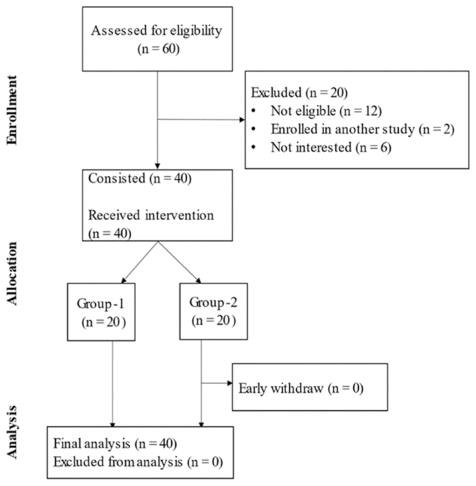
Figure 1 CONSORT diagram summarizing recruitment, enrollment, and dropout rates. Note: Consort diagram of the present study summarizing recruitment, enrollment, and dropout rates. Forty participants (N = 40) completed the study.
Ilias Ntoumas, PhD,1 Christina Karatzaferi, PhD,1 Christoforos D. Giannaki, PhD,2,3 Vasileios Nousios, BSc,1 Konstantina Siarava, BSc,1 Aliki Mpakatselou, BSc,1 Fotini Papanikolaou, MSc,1 Aggelos Pappas, PhD,1 Charalampos Krommidas, PhD,1 Efthimios Dardiotis, PhD,4 Eleftherios Lavdas, PhD,5 Giorgos K. Sakkas, PhD1*
1Department of Physical Education and Sport Science, School of PE, Sports and Dietetics, University of Thessaly, Trikala, 42100, Greece,
2Department of Life Sciences, School of Life and Health Sciences, University of Nicosia, Nicosia, 2417, Cyprus,
3Research Centre for Exercise and Nutrition (RECEN), Nicosia, 2417, Cyprus,
4Department of Neurology, School of Medicine, University of Thessaly, Larisa, 41110, Greece,
5Department of Biomedical Sciences, University of West Attica, Athens, 12243, GreeceBackground
Sports massage is considered to improve muscle tone and flexibility and thus, overall, contribute to the improvement of athletes’ performance. It is not yet clear whether pre- or post-warm-up sports massage can enhance athletes’ performance. Additionally, while essential oils are believed to enhance the effects of massage, empirical evidence remains limited.
Purpose
The present study aimed to evaluate the timing effect of pre-competition sports massage, using two different massage oils, on sprint performance.
Methods
A total of 40 competitive male young sprint and multiple-sprint sport athletes were randomly divided into two groups—group 1: sports massage applied after the warm-up followed by a max 60-m sprint trial, group 2: sports massage before the warm-up followed by a max 60-m sprint trial. All participants were assessed in three different massage conditions: (i) control: usual warm-up, no massage; (ii) AEO: sports massage using activation essential oil; (iii) BO: sports massage using baby oil.
Results
The results demonstrated a statistically significant main effect of massage on sprint performance, by reducing 60-m sprint time (F(2,78) = 5.304, p ≤ 0.005). Specifically, sprint performance improved (3.91%, p = 0.008) when the sport massage session took place after the athletes’ warm-up (group 1) and when the AEO was applied (p = 0.004).
Conclusion
A brief pre-competition sports massage, especially after the warm-up session and when AEO is applied, could be used as a complementary approach to help improve sprint performance.
KEYWORDS: Sprint; sports massage; essential oil; performance
The application of massage has adapted over time into various techniques with diverse uses, making it a prevalent practice of alternative or complementary medicine across various cultures and work or sport disciplines. Massage techniques can target the entire body or specific muscle groups to achieve different outcomes for a variety of targeted populations. Most members of the general public may have the experience of a “relaxation massage.” Such a massage protocol, usually of long durations (20–60 min) incorporates longer and slower strokes, like effleurage and petrissage,(1) with gentle pressure across the body. It is employed by the general population to reduce stress,(2) alleviate overall muscle tension, and promote a sense of mental and physical well-being.(3)
The application of “sports massage” to athletes aims primarily to address either the preparation or the recovery of muscles engaged in athletic activities, and is of shorter durations (anything from 5 to 30 min).(4) Pre-event sports massage, which prepares athletes before competition or training, includes techniques such as light effleurage, faster strokes, and tapotement to reduce stress and blood pressure,(4) enhance blood flow, promote vasodilation, warm up muscles, and increase flexibility.(5) In contrast, post-event sports massage involves firmer pressure to address muscle soreness and tension built up during physical activity.(6)
High-performance athletes incorporate massage as a regular component of their daily recovery routine, especially after intensive training or competition.(7) Massage following intensive training or competitions has been shown to reduce the severity of muscle soreness and help maintain muscle function and repair.(8,9) According to a systematic review and meta-analysis by Davis et al., the effect of sports massage can positively improve flexibility and delayed-onset muscle soreness (DOMS), establishing it as a valuable tool for athletes.(10) Regarding the application of pre-competition massage, there is limited evidence of its benefit on actual performance and debate in the literature regarding the optimal timing of the massage session, i.e., whether it should be applied before or after the athlete’s warm-up, for performance enhancement, and/or injury prevention.(11)
Regarding other approaches, recent studies have proposed potential benefits for various modalities such as foam rolling, percussion guns, dynamic stretching, and vibration therapy in improving physical function. Foam rolling, for example, has been shown to enhance flexibility by relaxing tension in the skeletal muscles and fascia.(11) Similarly, vibration therapy has been found to elicit physiological and psychological benefits.(12) However, the benefits of pre-competition vibration therapy on power performance remain inconclusive, nor is there evidence showing superiority of such modalities over pre-competition sports massage (which will be the focus of this article).(13,14)
In recent years, the integration of essential oils in massage applications has received significant attention, with the aim of harnessing possible synergistic benefits.(15) Essential oils, derived from various plant sources, are purported to offer a broad range of therapeutic actions that could plausibly enhance the effects of massage.(16,17) Oils such as lavender, chamomile, propolis, and bergamot exert their calming and anxiety-reducing effects primarily through modulation of the gamma-aminobutyric acid (GABA) ergic system, acting on GABA-A receptors to promote relaxation and reduce sympathetic nervous system activity.(18) Additionally, these essential oils have been shown to influence serotonin and dopamine pathways, further contributing to mood enhancement and stress relief.(19–23) On the other hand, essential oils such as blumea balsamifera, eucalyptus, peppermint, and ginger exhibit antioxidative, analgesic, and anti-inflammatory properties by modulating inflammatory mediators such as nuclear factor kappa B (NF-κB) and cyclooxygenase-2 (COX-2),(24–26) reducing oxidative stress via scavenging reactive oxygen species (ROS), and enhancing microcirculation, which aids in muscle recovery and pain reduction.(27–30) Such effects are brought about by terpenes and terpenoids, which constitute the bioactive elements of essential oils.(31) Their absorption can occur via inhalation, ingestion, or through the skin. Small, lipophilic terpenoid molecules have a greater capacity to penetrate to the bloodstream, enhancing the skin treatment’s effectiveness.(32) Despite these promising benefits, more research is needed to fully understand the efficacy of essential oils, particularly whether they would provide benefits when used during a pre-competition massage session.
Therefore, the main aim of this study was to evaluate the effect of a brief pre-competition massage on sprint performance in competitive athletes, applied in two timings, pre- and post-warm-up. Moreover, another aim was to examine the efficacy of different massage oils used for sports massage on sprinting performance. To clarify the research focus, the study specifically aims to evaluate the effect of massage on sprint performance, and further investigates whether the use of essential oils enhances these effects. We hypothesized that the application of massage would be beneficial for sprinting performance and that the use of essential oils during sports massage might further augment the possible benefits of massage on sprinting performance.
Forty (N = 40) competitive male athletes (34 competitive-level track sprinters and 6 soccer, center forwards, with past or parallel track and field experience) (aged 20.87 ± 2.82 years) fulfilled the inclusion criteria and participated in this study. Inclusion criteria included participants aged >18 years with an active athletic membership (registered with a sports club and federation). Exclusion criteria included dermatological diseases, allergies to massage oil, a history of overtraining syndrome, having a muscle injury in the last 6 months, any acute or chronic condition that would limit the ability of the volunteer to participate in the study, and refusal to give written informed consent.
The study was approved by the Human Research and Ethics Committee of the University of Thessaly (1864/08-12-2021). All participants gave their written informed consent prior to study participation.
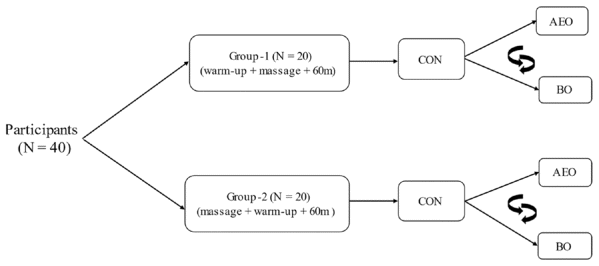
Participants were randomly divided into two groups. Group 1 (N = 20) received a 5-min sports massage application after the warm-up followed by the sprint trial, and group 2 (N = 20) received a 5-min sports massage application before the warm-up followed by the sprint trial. Both groups were assessed in three different conditions: (i) control condition (CON): participants followed the same standard warm-up as the other groups, which consisted of 10 min jogging, 5 min active stretching, and 4 × 60 m moderate-intensity runs. Then they put on their spikes, walked to their starting block, and (at 5 min post warm-up) performed a timed 60-m sprint; (ii) activation essential oil condition (AEO): participants received a sports massage using a commercially available activation essential massage oil, the composition of which is provided in the “Massage Oil” section; (iii) baby-oil condition (BO): participants received a sports massage using a commercially available standard massage oil (baby oil). All conditions were separated by 1 week, and participants were randomly assigned to different oil applications using a computer-generated randomization sequence. The researcher who analyzed the data remained blinded to the assigned group (Figure 1). All testing sessions took place at the same time of the day to control for any training or timing effects. Physical activity and training load were kept constant during the 3-week study period, while participants were instructed to follow the same daily routine to the extent possible.
|
| ||
|
Figure 1 CONSORT diagram summarizing recruitment, enrollment, and dropout rates. Note: Consort diagram of the present study summarizing recruitment, enrollment, and dropout rates. Forty participants (N = 40) completed the study. | ||
All measurements were conducted indoors at the National Track and Field Stadium of Trikala in Thessaly, Greece, on the indoor track lane (80-m length, 5-lane width), with a constant temperature of 20°C (indoor heating). Participants wore running shoes for their warm-up and spike shoes for their timed 60-m max sprint trial. They wore shorts or sports leggings and kept the same outfit for all testing sessions.
For group 1, participants completed first a warm-up session. This included 10 min of jogging and 5 min active stretching. The active stretching consisted of dynamic stretches such as leg swings, hip circles, torso twists, high knees, jumping jacks, and lunges. Each exercise was performed for 20–30 s (or 8–12 repetitions), with short breaks of 5–10 s in between. This was followed by 4 × 60 m moderate-intensity runs (interspersed with 1 min active recovery, i.e., walking). Participants then received a sports massage, in the massage room of the stadium, lasting for 5 min. At 5 min after the completion of the massage session, having changed shoes, participants completed a 60-m max sprint trial.
For group 2, participants completed their 5-min sports massage session first, then they completed their warm-up (as above). At 5 min after the warm-up session, participants completed a 60-m max sprint trial. All sports massage sessions were performed by the same certified sports masseur.
Sprint time was recorded, when the athlete passed through 30 m and when they reached the 60-m finish line, by two experienced researchers blind to the group or the condition that the participants attended. After the sprint trial, participants changed shoes and performed jogging for 5 min at low intensity, followed by stretching exercises.
All participants were continuously monitored and guided for the timely implementation of their allocated protocol. Before the massage session and in order to keep the participants blinded to the type of oil applied (AEO or BO condition), a nose clip (INDEX, 55,609) was placed on the participant’s nose, so they could stay naïve on the two different oil massage products used. The CON condition was always conducted first. Subsequently, randomization ensured that each participant had an equal opportunity to be assigned first to either the AEO or BO condition, thereby minimizing bias and preserving the integrity of the study results (Figure 2).
|
| ||
|
Figure 2 Study flow. Note: Study flow chart. Participants were randomized into two groups and participated in three different trial sessions. CON = control protocol, no massage and 60-m maximum sprint; AEO = massage application using essential activation oil and 60-m maximum sprint; BO = massage application using baby oil and 60-m maximum sprint. | ||
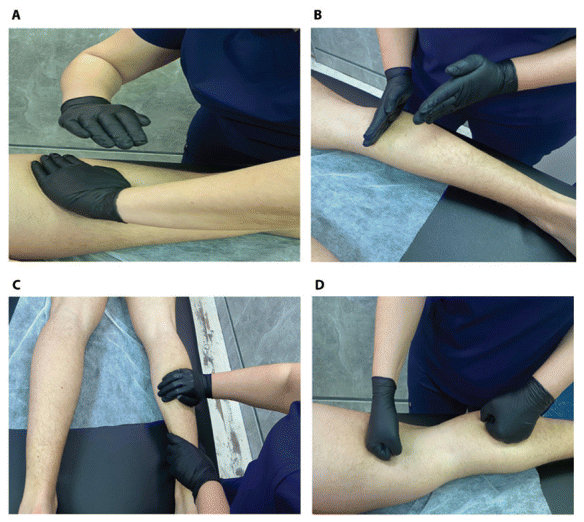
A stimulating type of massage was used as the pre-competition sports massage intervention in this study. The techniques were performed on specific leg muscle groups, including the gastrocnemius, the biceps femoral, and quadriceps, while excluding the pelvic area. The total duration of the pre-competition massage was 5 min. The brevity of the massage session was intentional, considering that: (i) a longer duration of massage is often commented(33,34) upon as a negative aspect of pre-competition massage; (ii) in our study, the specific duration was considered sufficient for the emphasis placed on the legs and enough for the selected sports massage techniques.(35,36) Techniques included the following: (i) effleurage (moderate- to high-intensity palmar sliding) and (ii) tapotement including tapping, cupping, hacking and puffer (fingertip strikes), hacking (side palm strikes), and pounding (closed fist strikes) on the posterior and anterior surfaces of the lower leg (Table 1). The same massage techniques and order of movement applications were used in all massage conditions and each session was time- and content-monitored. Neither massage nor oil was applied during the CON condition.
Table 1 Anterior and Posterior Thigh Massage Protocol (Including Posterior Thigh, Calf, and Anterior Thigh)
The massage protocol was applied to the anterior and posterior thigh muscles, as well as the calf muscles, following a standardized sequence of techniques with controlled intensity and rhythm. Participants were placed in a prone position for the massage of the posterior thigh and calf muscles and in a supine position for the massage of the anterior thigh muscles, lying on an ergonomic massage table. This positioning ensured optimal access to the muscles and the uniform application of techniques.
Initially, effleurage, a moderate- to high-intensity palmar sliding technique, was applied to the anterior and posterior thigh muscles. The movements followed the natural direction of the muscle fibers, starting from the insertion and moving toward the origin. The pace was maintained at 60 repetitions per minute, with a total duration of 90 s (Figure 3A).
|
| ||
|
Figure 3 Sports massage techniques. | ||
Next, the hacking technique, a form of percussive massage involving light, rapid chopping motions with the lateral edge of the hands, was applied to the posterior thigh muscles and calves. These movements were performed at a rate of 30–40 shakes per minute, with a total duration of 60 s (Figure 3B).
Following this, the tapotement technique, consisting of light and repetitive fingertip tapping, was applied to both the anterior and posterior thigh muscles. The pace ranged between 170 and 200 contacts per minute, with a duration of 60 s (Figure 3C).
Finally, the pounding technique was applied, involving dynamic, rhythmic strikes with the fists, primarily targeting the calf muscles and posterior thigh muscles. The rate was maintained at 25 strikes per minute, with a total duration of 90 s (Figure 3D).
The activation essential massage oil (AEO) contained a mixture of carrier oils, of green olive oil, avocado oil, sesame oil, natural wax, propolis oil, cocoa butter, and contained cinnamon, oregano, sage, lemon, eucalyptus, nutmeg, orange, and spearmint, essential oils which carry natural terpenes. The mixture is commercially available as a pre-exercise massage oil, with similar products circulating worldwide.
The control massage oil was a commercially available “Johnson’s baby oil” (https://www.johnsonsbaby.com/baby-products/johnsons-baby-oil), composed of 99% mineral oil (a refined petroleum product) and <1% fragrance (benzyl acetate, bicyclononalactone, isopropyl myristate, mefrosol) from a well-known manufacturer. This specific oil was scented and free from naturally occurring terpenes and terpenoids. Similar mineral oils are also produced by other manufacturers.
Time to complete the 60 m distance (and time at the 30-m mark) was recorded via a standard official stopwatch (CASIO, 80TW-1EF) used by two experienced track and field athletics officials’ referees, who were also involved as researchers in this study. The accuracy and precision of the referees’ ability for time recording was assessed against the gold-standard approach, which is the photoelectric sensors (photocells Witty gate, Brower Timing Systems, Draper, Utah, USA). For this particular task, a subset of the participants (N = 13 male sprinters) was timed during a 60-m maximum sprint using both timekeeping techniques (stopwatch vs photoelectric sensors). We found no statistically significant differences between the two approaches (N = 13, stopwatch 7.62 ± 0.66, vs photoelectric sensors 7.82 ± 0.65, p = 0.447) while the mean differences between the two approaches was 0.20 ± 0.03 s.
Statistical analysis was performed using IBM SPSS Statistics version 29 (SPSS Inc., Chicago, IL, USA). Data were checked for normal distribution (Shapiro–Wilk test) and average data are presented as mean ± standard deviation. An independent t-test was used to examine if there were significant differences in basic characteristics between group 1 (post-warm-up massage) and group 2 (pre-warm-up massage). A general linear model (GLM) with repeated measures analysis of variance was used to examine the main effect of sports massage for all participants across all conditions. Moreover, GLM was used to examine the effect of timing of the massage application (i.e., 30-m and 60-m sprint time performance between the pre- or post-warm-up massage groups). In addition, the effect of type of massage oil used was examined (i.e., 30-m and 60-m sprint time performance between the BA and AEO groups). Furthermore, to account for individual variability, Δ-change values were calculated (AEO time against CON sprint time, BO time against CON sprint time) and an independent t-test was used to examine possible group differences. The significance level was set at p ≤ 0.005.
Sample size calculations were conducted using G*Power 3.1. The post hoc “GLM: repeated measures, within factors” method was used to calculate the power analysis. The resulting minimum required sample size to achieve 80% power was 40 with a two-sided alpha of 5% for groups 1 and group 2 (effect size = 0.37, critical F = 3.11, Ndf = 2, Ddf = 76), resulting in a power of 0.82 (82%).
Subject characteristics are shown in Table 2. No statistically significant differences in basic characteristics (p > 0.005) were found between participants assigned to group 1 and group 2.
Table 2 Basic Characteristics of Study Participants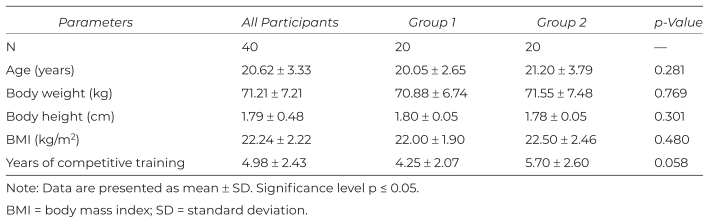
Overall, a statistically significant independent main effect of massage on 60-m sprint performance for the entire sample was found (F(2, 78) = 5.304, p ≤ 0.005). In addition, using sports massage time of application as a covariate in the comparison between the two conditions (pre-warm-up vs post-warm-up massage), a significant main effect of timing of massage application on 60-m sprint performance was found (F(1, 38) = 9.560, p ≤ 0.005). Specifically, the 60-m sprint trial time was faster overall in group 1 (post-warm-up massage) compared to group 2 (pre-warm-up massage) (F(1.94,1.596) = 5.32, p = 0.008) (Table 3). No statistically significant differences were found in the 30-m mark split time between groups. Furthermore, using sports massage as a covariate in the comparison between two massage oils (AEO vs BO) showed that AEO was superior to BO, while time in the 60-m sprint trial was faster when AEO was used (F(9.560):7.42 ± 0.37 vs 7.45 ± 0.43, p ≤ 0.005).
Table 3 Average Group Sprint Performance Characteristics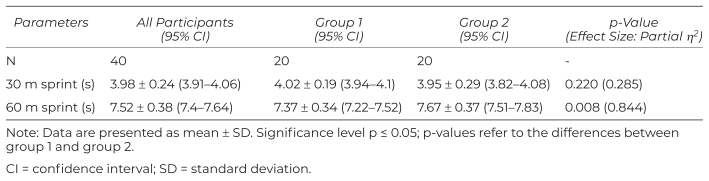
Performance changes for both groups when using massage activation essential oil (AEO condition) are shown in Table 4. A statistically significant difference between groups was found in the 60-m sprint time, with faster times recorded in group 1 (% Δ-change: −4.7% ± 0.35, % vs −10.5% ± 0.27, p ≤ 0.005). No statistically significant differences were observed in the 30-m sprint time.
Table 4 Sprint Performance Using the Activation Essential Oil (AEO Condition), as Sprint Time (s) per Group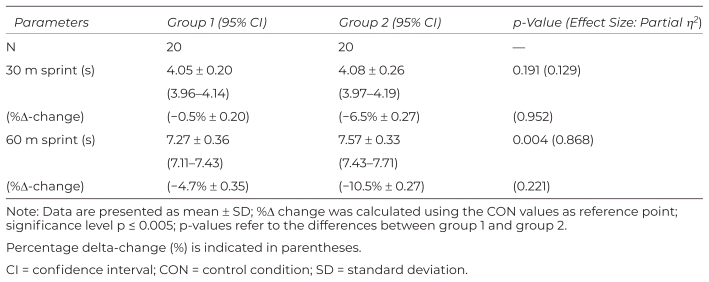
Furthermore, performance changes for both groups when using massage baby oil (BO condition) are shown in Table 5. No statistically significant differences (p > 0.05) were observed in the 60-m sprint time, although a tendency for faster times in group 1 compared to group 2 was observed (% Δ-change: −3.8% ± 0.27, p ≤ 0.005, vs −1.5% ± 0.36, p ≤ 0.005). Likewise, no statistically significant differences were observed in the 30-m sprint time.
Table 5 Sprint Performance Using the Baby Oil (BO Condition), as SPRINT time (s) per Group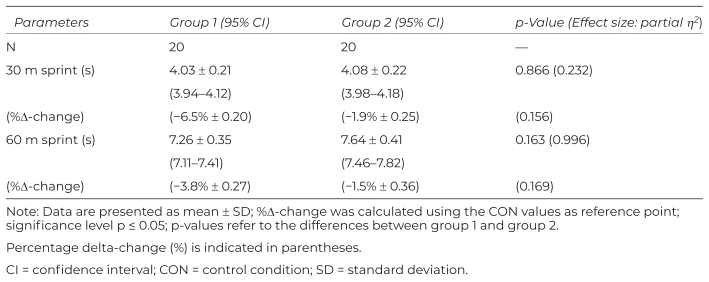
To the best of our knowledge, this is the first study to investigate the timing effect of a brief sports massage on sprinting performance. We show that pre-competition sports massage seems to have an overall beneficial effect on 60-m sprint performance, especially when it is applied after the warm-up session, improving sprint time by 3.91%. In addition, it seems that massage performed with an activating essential oil has an additional positive effect compared to regularly used baby oil, especially when the activating oil is used for a massage applied after the athlete’s warm-up. Additionally, no differences were observed in the 30-m mark split time between groups, suggesting that the benefits of the sports massage may become more evident in the latter half of the sprint.
In the current experimental study, the parameter that improved the most was the 60-m sprint time, by 0.30 s (±0.03). In contrary to our findings, Moran et al. found that a combination of a stimulating massage and a standard warm-up applied before the start of the race did not affect sprinting performance.(33) Differences in the massage protocol and application techniques could explain the lack of agreement between the two studies. Indeed, the massage performed in the study by Moran et al., lasted 3 times longer compared to our protocol (10–15 min), something that could have stressed the tissues or might have affected pliability or other properties of the skeletal muscles.(33) Their findings suggest that pre-competition massage alone could negatively impact sprint performance, potentially due to increased muscle relaxation or altered neuromuscular function. The longer duration of massage may have contributed to these effects by promoting excessive muscle relaxation or altering the neuromuscular response, while our shorter protocol likely did not produce the same level of relaxation or fatigue. In contrast, the combination of massage and warm-up appeared to mitigate these effects. Future research could explore the impact of combining massage with an active warm-up in our protocol to determine whether it influences sprint performance differently. Additionally, future research could consider repeating the study with a group that receives a longer massage duration, which may provide additional insight into the potential effects of prolonged massage on sprint performance. Similarly, Fletcher investigated the effects of three different warm-ups, with particular focus on pre-competition massage, which consisted of 9 min of fast, superficial effleurage (30 strokes per minute) and petrissage (60 strokes per minute) applied to key lower-limb muscle groups. The massage was administered with light to moderate pressure while participants were in a supine position with knees flexed. The study found that pre-competition massage alone had a negative effect on 20-m sprint performance, likely due to decreased musculotendinous stiffness, while its combination with a traditional warm-up did not provide additional benefits over warm-up alone.(37) Interestingly, Mine et al. systematically examined a series of studies on pre-exercise massage and concluded that prolonged massage sessions (lasting >9 min) may have negative effects on lower limb maximum strength, sprint performance, and jump height.(38) In our study the applied sports massage lasted for 5 min and included hacking and rapid movements that seem to improve blood circulation.(39) According to recent literature and the present results, a brief pre-competition sports massage has been shown to be beneficial.(7) Possible mechanisms to explain the positive effects could include an improvement in range of motion (ROM) without jeopardizing muscle tone, particularly when combined with other massage techniques. Tapotement alone may not significantly impact ROM, but its effects could be enhanced when incorporated with other methods that target muscle relaxation and flexibility.(40) Additionally, an increase in the flow in the lymphatic system overall promotes general blood circulation in the massaged muscle groups, which may contribute to improved recovery and performance.(41,42) Furthermore, an important mechanism through which massage can influence myofascial function is the increase in hyaluronic acid production, which improves the sliding of fascial tissues and reduces friction between muscle structures, thereby facilitating mobility and muscle function.(43) Additionally, the stimulation of nerve endings located in the fascia can trigger inhibitory responses in the central nervous system, contributing to the reduction of muscle tone and promoting relaxation.(44,45) Regarding the application of essential oil, the positive effects of massage and the activation of essential oils (AEO) on sprint performance can be explained through mechanisms related to recovery and the improvement of muscle function. AEO, which includes essential oils such as eucalyptus, mint, and orange, contains natural terpenes that have been shown to reduce muscle tension and fatigue, aiding in performance improvement during high-intensity exercise, such as sprinting.(46) Moreover, some researchers propose that sports massage prior to subsequent performance can improve athletes’ sense of readiness and perceived energy levels, as well as enhance blood flow, promote vasodilation, and stimulate the release of endorphins(47) and increase circulation.(48) All those changes may improve athletes’ self-confidence and state of vigilance to compete.
In recent years massage sessions increasingly incorporate essential oils in the oil mixture. To our knowledge, this is the first study to investigate the use of a commercially available mixture of “activation essential oils” applied during the sports massage session on sprinting performance in competitive athletes. We show that activation oil seems to have a beneficial effect on 60-m sprint performance, specifically when it is combined with a brief massage applied after the warm-up session. Again, the parameter mainly improving was the 60-m sprint time, compared to the BO condition. We have not investigated the possible mechanisms of action. We minimized, to a degree possible, the effect of inhalation by blocking that intake route using a nose clip. There are limited studies using essential oils during massage sessions and assessing performance. Relevant literature suggests that the types of essential oils used may activate the nervous system, stimulating blood circulation and reducing muscle and joint soreness.(42,49–52) Paoli et al. studied the effect of sports massage using ozonized oil in competitive cyclists and found that this particular type of massage oil increased blood lactate removal, improved performance, and reduced the perception of fatigue.(53) In another study, Hongratanaworakit investigated the stimulant effect of jasmine oil during massage and found that jasmine oil caused a significant increase in breathing rate, blood oxygen saturation, and systolic and diastolic blood pressure in the intervention group, indicating an increase in autonomic arousal.(54) It should be noted, however, not all of the available studies controlled for inhalation of essential oils. Still, taking together our study results and the limited available published data, it appears that pre-competition sports massage using activation essential oils can provide further benefits in aspects related to performance and fatigue. Further research is, however, needed to shed more light on the mechanisms of action, whether allowing for inhalation of the essential oils would improve acute performance, and whether athletes and coaches can use essential oil products to achieve better performances and overall ranking in the long run. Additionally, future studies should compare the effects of short-duration versus long-duration massage after warm-up to determine optimal application strategies for athletic performance.
In the current study, we have to acknowledge some significant strengths and some weaknesses. Some limitations that need to be acknowledged are the study design and the fact that only males were included in the study, which may limit the generalizability of the findings to female athletes. A crossover design could have provided more evidence on the effectiveness of the intervention. Another limitation is that the sprint recordings were done by using manual stopwatches and not by photoelectric sensors. This could have induced some small measurement errors or inconsistency in our results, perhaps explaining the lack of statistical significance for the 30-m split time measurements. Additionally, while the CON condition was always administered first and remained fixed, the BO and AEO conditions were randomized, which may have influenced the outcomes and introduced a potential sequencing effect. Still, the subset analysis using 13 of the 40 participants did not show statistically significant differences between the two assessing approaches with hand measurement error being smaller than the calculated differences for the 60-m times (see the Results section). Another weakness of our study is the lack of assessment of the subjective feeling of relaxation or readiness after the massage session (whether applied pre- or post-warm-up). This could have helped us conclude whether the essential oils would have supported the athletes emotionally rather than physically to complete their sprint trial. Still, the majority of the participants declared a positive feeling overall. Another weakness that needs to be acknowledged is the fact that the masseur was not blind to the type of massage oil applied. Among the main strengths of our study is the blinding of the time recorders for the type of group or massage session. In addition, participants of the study were blind to the type of oil used during the massage since their nose was blocked using a nose clip. And perhaps most importantly, and as indicated by the times achieved, in contrast to other studies reporting no effects or negative effects of massage, our study participants demonstrated good to excellent sprinting ability (on par with European competitive collegiate, national, and international level) thereby adding ecological value to our findings.
In conclusion, the findings of the current study indicate a positive effect of pre- competition massage on sprint performance, particularly when applied before the warm-up. This positive effect was better sustained by the application of essential oils (vs standard BO). Such findings can hold significant practical value for athletes. In sports such as sprinting, the observed statistically significant improvements, however small, may prove crucial for an athlete’s performance and podium standings. In that sense, this simple and practical application that can acutely improve athletes’ performance warrants further work, to decipher possible long-term effects, and pinpoint mechanisms of action. These findings suggest that incorporating pre-competition massage, particularly with essential oils, into athletes’ routines could be a simple yet effective strategy to enhance sprint performance. Coaches and sports practitioners may consider integrating this approach into warm-up protocols to maximize its benefits in competitive settings.
Conceptualization: IN, CK, and GKS; methodology: GKS, CK; formal analysis: IN, CK, and GKS; investigation: IN, CK, and GKS; writing—original draft preparation: IN, GKS, CK, CDG, FP, VN, KS, AM, AP, CHK, ED, EL; writing—review and editing: IN, GKS, CK, CDG, FP, VN, KS, AM, AP, CHK, ED, EL; visualization: IN, GKS, CK; supervision: GKS, CK; project administration: GKS, CK. All authors have read and agreed to the published version of the manuscript.
No sources of funding were used in this study.
Informed consent was obtained from all subjects involved in the study.
The original contributions presented in the study are included in the article; further inquiries can be directed to the corresponding author.
We would like to thank all competitive sprinters who volunteered for the purposes of this study, as well as the track and field academies at the Trikala Municipal Stadium. We would also like to thank the chief Coach Dr. Voutselas for his valuable help.
The authors declare there are no conflicts of interest.
1. Harris M, Richards KC. The physiological and psychological effects of slow-stroke back massage and hand massage on relaxation in older people. J Clin Nurs. 2010;19(7–8):917–926. https://doi.org/10.1111/j.1365-2702.2009.03165.x
Crossref PubMed
2. Ogai R, Yamane M, Matsumoto T, Kosaka M. Effects of petrissage massage on fatigue and exercise performance following intensive cycle pedalling. Br J Sports Med. 2008;42(10):534–538. https://doi.org/10.1136/bjsm.2007.044396
Crossref
3. Zhang M, Murphy B, Cabanilla A, Yidi C. Physical relaxation for occupational stress in healthcare workers: a systematic review and network meta-analysis of randomized controlled trials. J Occup Health. 2021;63(1):e12243. https://doi.org/10.1002/1348-9585.12243
Crossref PubMed PMC
4. Shuiabu AK, Bello B. Effects of pre-event massage on anxiety among Nigeria national team football players: a pilot study. Hum Mov. 2019;20(4):46–51. https://doi.org/10.5114/hm.2019.85090
Crossref
5. Mohamed Shapie MN, Khiri INM. The effect between static stretch and pre event massage on kicking speed score among university taekwondo athletes. Malaysian J Sport Sci Rec. 2016;12(1):1–6.
6. Dupuy O, Douzi W, Theurot D, Bosquet L, Dugué B. An evidence-based approach for choosing post-exercise recovery techniques to reduce markers of muscle damage, soreness, fatigue, and inflammation: a systematic review with meta-analysis. Front Physiol. 2018;9:403. https://doi.org/10.3389/fphys.2018.00403
Crossref PubMed PMC
7. Brummitt J. The role of massage in sports performance and rehabilitation: current evidence and future direction. N Am J Sports Phys Ther. 2008;3(1):7–21.
PubMed PMC
8. Nahon RL, Silva Lopes JS, Monteiro de Magalhães Neto A. Physical therapy interventions for the treatment of delayed onset muscle soreness (DOMS): systematic review and meta-analysis. Phys Ther Sport. 2021;52:1–12. https://doi.org/10.1016/j.ptsp.2021.07.005
Crossref PubMed
9. Cheung K, Hume PA, Maxwell L. Delayed onset muscle soreness: treatment strategies and performance factors. Sports Med. 2003;33:145–164. https://doi.org/10.2165/00007256-200333020-00005
Crossref
10. Davis HL, Alabed S, Chico TJA. Effect of sports massage on performance and recovery: a systematic review and meta-analysis. BMJ Open Sport Exerc Med. 2020;6(1):e000614. https://doi.org/10.1136/bmjsem-2019-000614
Crossref PubMed PMC
11. Okamoto T, Masuhara M, Ikuta K. Acute effects of self-myofascial release using a foam roller on arterial function. J Strength Cond Res. 2014;28(1):69–73. https://doi.org/10.1519/JSC.0b013e31829480f5
Crossref
12. Qian J, McDonough DJ, Gao Z. The effectiveness of virtual reality exercise on individual’s physiological, psychological and rehabilitative outcomes: a systematic review. Int J Environ Res Public Health. 2020;17(11):4133. https://doi.org/10.3390/ijerph17114133
Crossref PubMed PMC
13. Cochrane D. The sports performance application of vibration exercise for warm-up, flexibility and sprint speed. Eur J Sport Sci. 2013;13(3):256–271. https://doi.org/10.1080/17461391.2011.606837
Crossref PubMed
14. Yu W, Feng D, Zhong Y, Luo X, Xu Q, Yu J. Examining the influence of warm-up static and dynamic stretching, as well as post-activation potentiation effects, on the acute enhancement of gymnastic performance: a systematic review with meta-analysis. J Sports Sci Med. 2024;23(1):156–176. https://doi.org/10.52082/jssm.2024.156
Crossref PubMed PMC
15. Sattayakhom A, Wichit S, Koomhin P. The effects of essential oils on the nervous system: a scoping review. Molecules. 2023;28(9):3771. https://doi.org/10.3390/molecules28093771
Crossref PubMed PMC
16. Jang MH, Piao XL, Kim JM, Kwon SW, Park JH. Inhibition of cholinesterase and amyloid-β aggregation by resveratrol oligomers from Vitis amurensis. Phytother Res. 2008;22(4):544–549. https://doi.org/10.1002/ptr.2406
Crossref PubMed
17. Luo J, Jiang W. A critical review on clinical evidence of the efficacy of lavender in sleep disorders. Phytother Res. 2022;36(6):2342–2351. https://doi.org/10.1002/ptr.7448
Crossref PubMed
18. Kennedy D, Okello E, Chazot P, Howes MJ, Ohiomokhare S, Jackson P, et al. Volatile terpenes and brain function: investigation of the cognitive and mood effects of Mentha × Piperita L. essential oil with in vitro properties relevant to central nervous system function. Nutrients. 2018;10(8):1029. https://doi.org/10.3390/nu10081029
Crossref PubMed PMC
19. Taavoni S, Darsareh F, Joolaee S, Haghani H. The effect of aromatherapy massage on the psychological symptoms of postmenopausal Iranian women. Complement Ther Med. 2013;21(3):158–163. https://doi.org/10.1016/j.ctim.2013.03.007
Crossref PubMed
20. Ebrahimi H, Mardani A, Basirinezhad MH, Hamidzadeh A, Eskandari F. The effects of lavender and chamomile essential oil inhalation aromatherapy on depression, anxiety and stress in older community-dwelling people: a randomized controlled trial. Explore. 2022;18(3):272–278. https://doi.org/10.1016/j.explore.2020.12.012
Crossref
21. Nasiri A, Mahmodi MA, Nobakht Z. Effect of aromatherapy massage with lavender essential oil on pain in patients with osteoarthritis of the knee: a randomized controlled clinical trial. Complement Ther Clin Pract. 2016;25:75–80. https://doi.org/10.1016/j.ctcp.2016.08.002
Crossref PubMed
22. Bagetta G, Morrone LA, Rombolà L, Amantea D, Russo R, Berliocchi L, et al. Neuropharmacology of the essential oil of bergamot. Fitoterapia. 2010;81(6):453–461. https://doi.org/10.1016/j.fitote.2010.01.013
Crossref PubMed
23. Soleimani D, Miryan M, Hadi V, Gholizadeh Navashenaq J, Moludi J, Sayedi SM, et al. Effect of propolis supplementation on athletic performance, body composition, inflammation, and oxidative stress following intense exercise: a triple-blind randomized clinical trial. Food Sci Nutr. 2021;9(7):3631–3640. https://doi.org/10.1002/fsn3.2319
Crossref PubMed PMC
24. Liao J, Xie X, Wang W, Gao Y, Cai Y, Peng J, et al. Anti-inflammatory activity of essential oil from leaves of Blumea balsamifera (L.) DC through inhibiting TLR4/NF-kB signaling pathways and NLRP3 inflammasome activation in LPS-induced RAW264.7 macrophage cells. J Essent Oil-Bear Plants. 2021;24(2):160–176. https://doi.org/10.1080/0972060X.2021.1912645
Crossref
25. Zhang L, Liang X, Wang B, Lin Z, Ye M, Ma R, et al. Six herbs essential oils suppressing inflammatory responses via inhibiting COX-2/TNF-α/IL-6/NF-κB activation. Microchem J. 2020;156:104769. https://doi.org/10.1016/j.microc.2020.104769
Crossref
26. Kim KN, Ko YJ, Yang HM, Ham YM, Roh SW, Jeon YJ, et al. Anti-inflammatory effect of essential oil and its constituents from fingered citron (Citrus medica L. var. sarcodactylis) through blocking JNK, ERK and NF-κB signaling pathways in LPS-activated RAW 264.7 cells. Food Chem Toxicol. 2013;57:126–131. https://doi.org/10.1016/j.fct.2013.03.017
Crossref PubMed
27. Zhao Q, Zhu L, Wang S, Gao Y, Jin F. Molecular mechanism of the anti-inflammatory effects of plant essential oils: a systematic review. J Ethnopharmacol. 2023;301:115829. https://doi.org/10.1016/j.jep.2022.115829
Crossref
28. Amorim JL, Simas DL, Pinheiro MM, Moreno DS, Alviano CS, da Silva AJ, et al. Anti-inflammatory properties and chemical characterization of the essential oils of four Citrus species. PLoS One. 2016;11(4):e0153643. https://doi.org/10.1371/journal.pone.0153643
Crossref PubMed PMC
29. Ali B, Al-Wabel NA, Shams S, Ahamad A, Khan SA, Anwar F. Essential oils used in aromatherapy: a systemic review. Asian Pac J Trop Biomed. 2015;5(8):601–611. https://doi.org/10.1016/j.apjtb.2015.05.007
Crossref
30. Bakó E, Fehérvári P, Garami A, Dembrovszky F, Gunther EE, Hegyi P, et al. Efficacy of topical essential oils in musculoskeletal disorders: systematic review and meta-analysis of randomized controlled trials. Pharmaceuticals (Basel). 2023;16(2):144. https://doi.org/10.3390/ph16020144
Crossref PubMed PMC
31. Masyita A, Mustika Sari R, Dwi Astuti A, Yasir B, Rahma Rumata N, Emran TB, et al. Terpenes and terpenoids as main bioactive compounds of essential oils, their roles in human health and potential application as natural food preservatives. Food Chem X. 2022;13:100217. https://doi.org/10.1016/j.fochx.2022.100217
Crossref PubMed PMC
32. Agatonovic-Kustrin S, Chan CKY, Gegechkori V, Morton DW. Models for skin and brain penetration of major components from essential oils used in aromatherapy for dementia patients. J Biomol Struct Dyn. 2020;38(8):2402–2411. https://doi.org/10.1080/07391102.2019.1633408
Crossref
33. Moran RN, Hauth JM, Rabena R. The effect of massage on acceleration and sprint performance in track & field athletes. Complement Ther Clin Pract. 2018;30:1–5. https://doi.org/10.1016/j.ctcp.2017.10.010
Crossref PubMed
34. Arabaci R. Acute effects of pre-event lower limb massage on explosive and high speed motor capacities and flexibility. J Sports Sci Med. 2008;7(4):549–555.
PubMed PMC
35. Benjamin PJ, Lamp SP. Understanding Sports Massage. Human Kinetics; 2005. https://doi.org/10.5040/9781718209657
Crossref
36. Fritz S. Sports & Exercise Massage. Elsevier Mosby; 2005.
37. Fletcher IM. The effects of precompetition massage on the kinematic parameters of 20-m sprint performance. J Strength Cond Res. 2010;24(5):1179–1183. https://doi.org/10.1519/JSC.0b013e3181ceec0f
Crossref PubMed
38. Mine K, Lei D, Nakayama T. Is pre-performance massage effective to improve maximal muscle strength and functional performance? A systematic review. Int J Sports Phys Ther. 2018;13(5):789–799.
Crossref PubMed PMC
39. Ambarawati NED, Jawi IM, Muliarta I, Linawati N, Sawitri A, Dinata IMK. The effect of sport massage toward the decrease of fatigue. Sport Fit J. 2021;9(3):155–160. https://doi.org/10.24843/spj.2021.v09.i03.p02
Crossref
40. McKechnie GJB, Young WB, Behm DG. Acute effects of two massage techniques on ankle joint flexibility and power of the plantar flexors. J Sports Sci Med. 2007;6(4):498–504.
PubMed PMC
41. Huang SY, Di Santo M, Wadden KP, Cappa DF, Alkanani T, Behm DG. Short-duration massage at the hamstrings musculotendinous junction induces greater range of motion. J Strength Cond Res. 2010;24(7):1917–1924. https://doi.org/10.1519/JSC.0b013e3181e06e0c
Crossref PubMed
42. Lee JH, Seo EK, Shim JS, Chung SP. The effects of aroma massage and foot bath on psychophysiological response in stroke patients. J Phys Ther Sci. 2017;29(8):1292–1296. https://doi.org/10.1589/jpts.29.1292
Crossref PubMed PMC
43. de Souza Bezerra E, Lunardi M, Sakugawa RL, Diefenthaeler F. Acute effects of myofascial release with portable electric massager at different frequencies: a randomized pilot study. J Bodyw Mov Ther. 2021;28:225–230. https://doi.org/10.1016/j.jbmt.2021.07.037
Crossref PubMed
44. Sliz D, Smith A, Wiebking C, Northoff G, Hayley S. Neural correlates of a single-session massage treatment. Brain Imaging Behav. 2012;6:77–87. https://doi.org/10.1007/s11682-011-9146-z
Crossref PubMed PMC
45. Behm DG, Peach A, Maddigan M, Aboodarda SJ, DiSanto MC, Button DC, et al. Massage and stretching reduce spinal reflex excitability without affecting twitch contractile properties. J Electromyogr Kinesiol. 2013;23(5):1215–1221. https://doi.org/10.1016/j.jelekin.2013.05.002
Crossref PubMed
46. Tian L, Hu T, Zhang S, Zhang H, Yang C, Chen G, et al. A comparative study on relieving exercise-induced fatigue by inhalation of different Citrus essential oils. Molecules. 2022;27(10):3239. https://doi.org/10.3390/molecules27103239
Crossref PubMed PMC
47. Nematpour P, Sajedi H, Milan RS, Gursoy R. The effect of deep and superficial techniques of sports massage on the indicators of muscle and inflammatory damage of young volleyball players after a session of physical activity. Afr Educ Res J. 2020;8(1):S152–S156. https://doi.org/10.30918/AERJ.8S1.20.024
48. Einstein A. Massage techniques, joint mobilizations, and stretches. In: Massage Therapy-E-Book: Principles and Practice. Amsterdam, The Netherlands: Elsevier; 2015:136.
49. Harahap NS, Manalu N, Siregar NS, Machrina Y. Effect of massage therapy with lime (Citrus aurantifolia) essential oil on the recovery of delayed onset of muscle soreness in athletes. Med Arch. 2023;77(1):24–28. https://doi.org/10.5455/medarh.2023.77.24-28
Crossref PubMed PMC
50. Bahr T, Allred K, Martinez D, Rodriguez D, Winterton P. Effects of a massage-like essential oil application procedure using copaiba and deep blue oils in individuals with hand arthritis. Complement Ther Clin Pract. 2018;33:170–176. https://doi.org/10.1016/j.ctcp.2018.10.004
Crossref PubMed
51. Lizarraga-Valderrama LR. Effects of essential oils on central nervous system: focus on mental health. Phytother Res. 2021;35(2):657–679. https://doi.org/10.1002/ptr.6854
Crossref
52. Boguszewski D, Szkoda S, Adamczyk JG, Białoszewski D. Sports massage therapy on the reduction of delayed onset muscle soreness of the quadriceps femoris. Hum Mov. 2014;15(4):234–237. https://doi.org/10.1515/humo-2015-0017
Crossref
53. Paoli A, Bianco A, Battaglia G, Bellafiore M, Grainer A, Marcolin G, et al. Sports massage with ozonised oil or non-ozonised oil: comparative effects on recovery parameters after maximal effort in cyclists. Phys Ther Sport. 2013;14(4):240–245. https://doi.org/10.1016/j.ptsp.2012.11.004
Crossref PubMed
54. Hongratanaworakit T. Stimulating effect of aromatherapy massage with jasmine oil. Nat Prod Commun. 2010;5(1):157–162.
PubMed
Corresponding author: Giorgos K. Sakkas, Department of Physical Education and Sport Science, University of Thessaly, Karies, Trikala, 42100, Greece, E-mail: gsakkas@uth.gr, Tel: +30-2431047022
COPYRIGHT
Published under the CreativeCommons Attribution-NonCommercial-NoDerivs 3.0 License.
International Journal of Therapeutic Massage and Bodywork, Volume 18, Number 4, December 2025