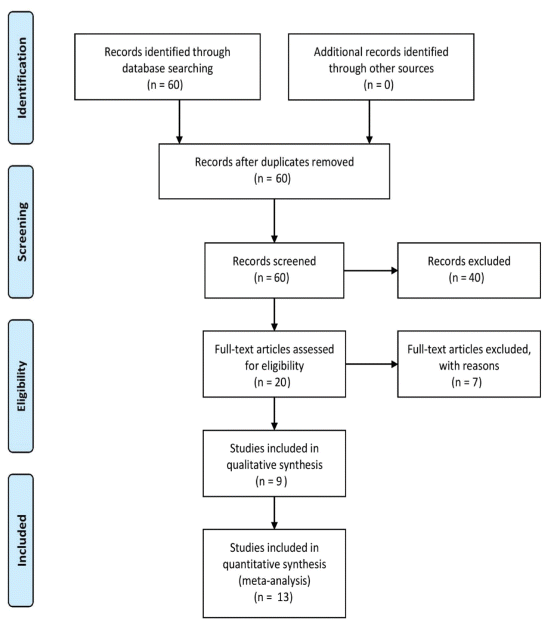
Figure 1 PRISMA flow chart.
Sathya Siva, MPT,1* Prathap Suganthirababu, MPT, PhD,1 V. Surya Prakash, MPT,1 J. Titus, MPT,1 S. Vignesh, MPT, PhD,1 K. Priyadharshini, MPT,1 S. Dhanusia, MPT,1 S. Santhanalakshmi, MPT,1 J. Vanitha, MPT,1 Kishoremoy Das, MPT,1 Mohammed Arifullah Mohamed Fazulah, MSc1
1Department of Physiotherapy, Saveetha Institute of Medical and Technical Sciences, Chennai, Tamil Nadu, India
Background
Tendinopathies are common musculoskeletal disorders characterized by pain and functional impairment, often requiring therapeutic interventions for effective management. This systematic review and meta-analysis aimed to evaluate the effectiveness of deep transverse frictional massage (DTFM) combined with conventional therapy for the treatment of tendinopathies.
Methods
A study search of electronic databases including MEDLINE, Google Scholar, and PubMed databases, was conducted for randomized controlled trials, pilot study, and comparative study design comparing the combined application of DTFM with conventional physiotherapy (e.g., exercise, stretching, or modalities) to conventional therapy alone for the treatment of tendinopathies. Inclusion criteria were studies that reported clinical outcomes such as pain reduction and disability. Data extraction was performed independently by reviewers. A meta-analysis was conducted using random-effects models to estimate the pooled effect size, and heterogeneity was assessed using the I2 statistic. The risk of bias was assessed using the Cochrane risk-of-bias approach.
Results
A total of 13 studies met the inclusion criteria. The combined treatment group (DTFM + conventional therapy) showed significant improvements in pain reduction (standardized mean difference (SMD) = −0.92, 95% confidence interval (CI): −1.70 to −0.14, p < 0.05) and disability in the shoulder (SMD = −15.05, 95% CI: −15.60 to −14.50, p < 0.05) and elbow (SMD = −2.67, 95% CI: −3.38 to −1.96, p < 0.05) compared to conventional therapy alone. No significant adverse effects were reported.
Conclusion
The findings suggest that DTFM, when combined with conventional therapy, offers significant benefits over conventional therapy alone in the management of tendinopathies, particularly in reducing pain and improving function. The exact physiological mechanisms through which DTFM works in combination with conventional therapies remain unclear. Research into how DTFM influences tissue healing, collagen remodeling, or pain reduction pathways could provide more insights into its effectiveness and guide its integration into treatment protocols.
KEYWORDS: Massage; disability; pain; randomized controlled trials; tendinopathies
Tendinopathies are disorders impacting the fibrous tissues that attach muscles to bones. These disorders typically cause pain, swelling, and impaired tendon function. The most frequently affected anatomical areas include the patellar tendon, Achilles tendon, brachial biceps, the extensors and flexors of the wrist, the posterior tibial tendon, and the thigh adductors. Tendinopathy is an umbrella term used to describe any type of damage to a tendon, including conditions such as tendinitis (inflammation) and tendinosis (degeneration). It often results from overuse, causing gradual wear and tear to the tendon, leading to painful symptoms.(1)
A unified theory of the pathogenesis of tendinopathy integrates various aspects of tendon biology, biomechanics, and pathology to provide a comprehensive understanding of tendinopathy development. A detailed exploration of a unified theory of tendinopathy pathogenesis is as follows: (i) Biological and structural factors, including tendon structure and composition, reveal that tendons are primarily composed of collagen fibers, proteoglycans, and tenocytes (tendon cells). The collagen fibers are organized in a hierarchical structure that provides tensile strength and flexibility. Tendinopathy often involves a breakdown of collagen fibers, leading to disorganized collagen bundles. This degeneration is thought to be a key feature of tendinosis, the chronic phase of tendinopathy. (ii) Mechanical overload explains that repetitive or excessive mechanical loading is a primary factor contributing to tendinopathy. This includes activities that involve repeated or high-intensity stress on the tendons, such as sports or repetitive occupational tasks. In load-bearing capacity the tendon’s ability to withstand load can be compromised by both acute and chronic overload. This imbalance between loading and the tendon’s capacity to repair can lead to microtrauma and subsequent degeneration. (iii) During cellular and molecular responses, tenocytes respond to mechanical stress by altering their production of extracellular matrix components. In tendinopathy, these cells may produce abnormal or excessive amounts of matrix proteins, contributing to disorganization. Although tendinopathy is not primarily an inflammatory condition, there is evidence that inflammatory mediators such as cytokines and growth factors play a role in the early stages of tendinopathy. These mediators can influence pain and tissue repair processes. Matrix metalloproteinases (MMPs) are enzymes that break down extracellular matrix components. In tendinopathy, elevated levels of MMPs may contribute to collagen degradation and matrix remodeling. During vascular and neurovascular changes tendinopathy often involves the formation of new, abnormal blood vessels within the tendon, a process known as neovascularization. This can lead to increased pain and altered tendon function. Increased nerve endings in tendinopathic tissue can contribute to pain perception. This neurovascular change is associated with the chronic pain experienced in tendinopathy. (iv) For biomechanical and functional factors, altered biomechanics, such as improper movement patterns or alignment issues, can exacerbate the stress on tendons. These factors may contribute to the development and progression of tendinopathy. Imbalances in muscle strength and flexibility around the affected tendon can affect the distribution of forces and contribute to tendinopathy. For example, weak or tight muscles can place additional strain on tendons. (v) Genetic and environmental factors: genetic factors may influence an individual’s susceptibility to tendinopathy. Variations in genes related to collagen production or tendon structure can affect how tendons respond to mechanical stress. Environmental factors such as age, gender, and occupation can influence the risk of developing tendinopathy. For instance, aging tends to decrease tendon elasticity and repair capacity. (vi) Integrative model of pathogenesis: combining these factors, a unified theory of tendinopathy pathogenesis might propose the following model of initiation, progression, chronic phase, and functional impairment. This unified theory highlights the complex interplay of biological and biomechanical factors that contribute to the tendinopathy’s etiology and progression, emphasizing the need for individualized treatment strategies.(2)
For tendinopathies, massage therapy provides multiple advantages, such as enhanced range of motion, decreased discomfort and inflammation, and improved blood circulation. Deep transverse frictional massage (DTFM) utilizes short back-and-forth motions on the affected area, which assist in restoring mobility and reducing scar tissue. Additionally, deep tissue massage combines firm pressure with slow strokes, targeting deeper muscle layers and facilitating overall recovery. Massage therapy is often recommended as part of a comprehensive treatment plan rather than as a standalone therapy. Combining massage with conventional interventions tends to yield the best outcomes.
Conventional interventions for this condition involve activity modification (rest or cross training, such as cycling instead of running), a combination of exercise, electrotherapy, soft-tissue treatments, use of braces or splints, and cryotherapy. Prolonged stretching, in particular, has been found to decrease pain and the use of nonsteroidal anti-inflammatory drugs.(3–16) The main objectives of this systematic review and meta-analysis are to evaluate the effectiveness of deep frictional massage technique compared with various conventional physiotherapy over tendinopathy pain and improving function.
Is DTFM combined with conventional physiotherapy beneficial for tendinopathy pain and improving function?
To obtain the research question, PICO criteria were used.
Population: patients with tendinopathy.
Intervention: Conventional therapy and DTFM.
Comparison: Conventional therapy.
Outcomes: Pain, disability.
The selection criteria for the study are as follows: only open-access and full-text articles are included to ensure availability and transparency of the research. Articles published between 2000 and 2023 are considered to ensure the relevance of data to recent developments in the field. Only articles published in the English language are included to ensure comprehensibility and accessibility. Only randomized controlled trials, pilot studies, and comparative studies are selected to ensure robust study designs. Studies must report on outcome measures related to pain and disability, as these are central to understanding the effectiveness of interventions for tendinopathies. Research involving tendinopathies of all sites is included, ensuring comprehensive coverage of the condition across various anatomical locations. Systematic reviews and meta-analysis studies are excluded as they synthesize existing data and do not present new primary research. Studies involving post-operative tendinopathy patients are excluded to focus on non-surgical management and intervention approaches for tendinopathies.
The research has been recorded at PROSPERO under the registration number CRD42024540738. Throughout the course of the research the PRISMA-CI (Preferred Reporting Items for Systematic Reviews and Meta-Analyses For Complex Interventions) guidelines were followed (Figure 1).(3)
|
| ||
|
Figure 1 PRISMA flow chart. | ||
The study searched the following databases: MEDLINE, Google Scholar, and PubMed. Search terms used to find open-access articles in the database are as follows: “Tendinopathies, Tendinitis, Eccentric Exercise, Transverse Frictional Massage (or) Deep Friction Massage (or) Cyriax, Effectiveness (or) Efficiency (or) Efficacy”, and “Conventional therapy.” The articles were independently searched in June 2023 by the author using the title, author name, and abstract of the research that met the criteria. Only English-language articles were selected based on language constraints.
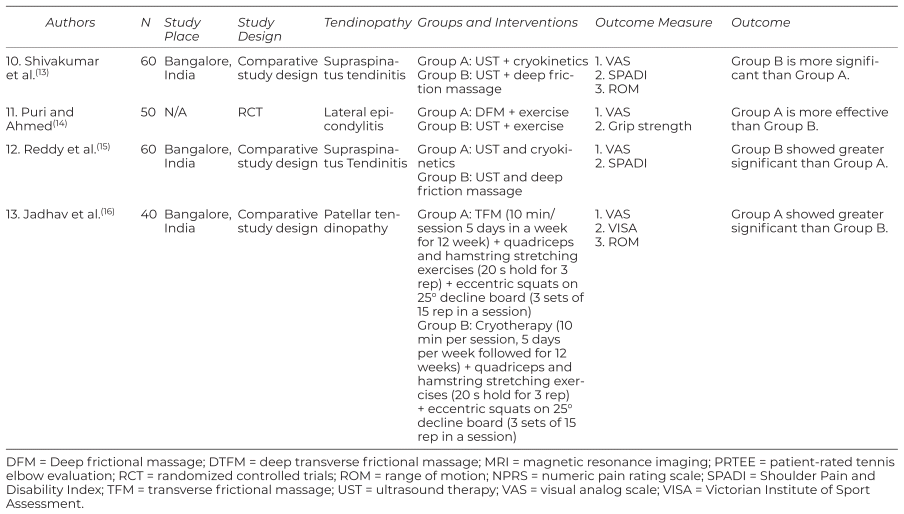
The following data were extracted from each article independently by three researchers (SS, PS, SV, SP, JT) (i) characteristics of the study—study design, total “n” participants, study location, gender, interventions, and types of tendinopathy; (ii) Measures of outcome of pain and disability (Table 1).
Table 1 Characteristics of the Included Studies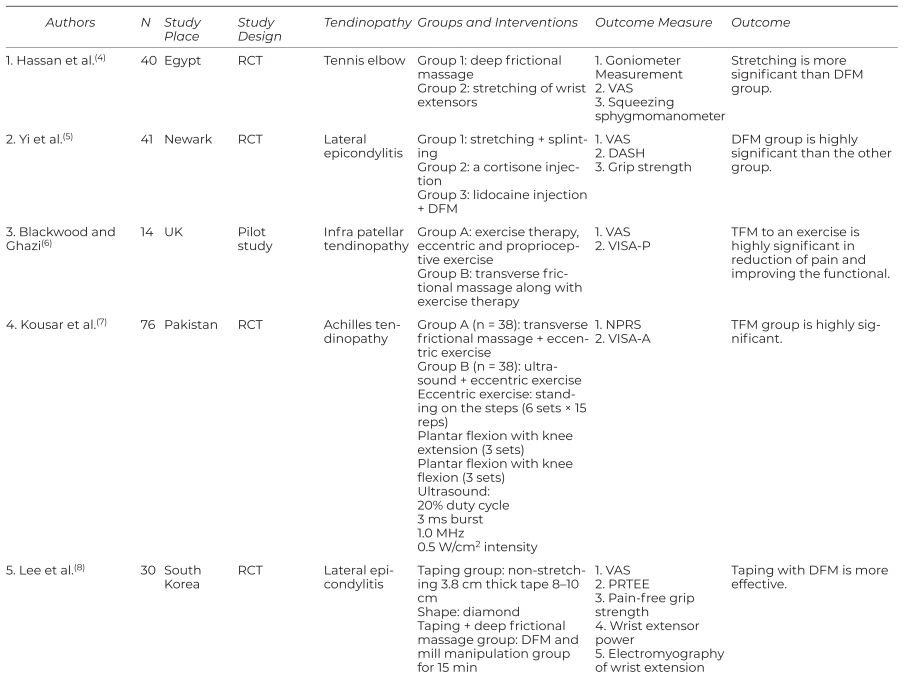
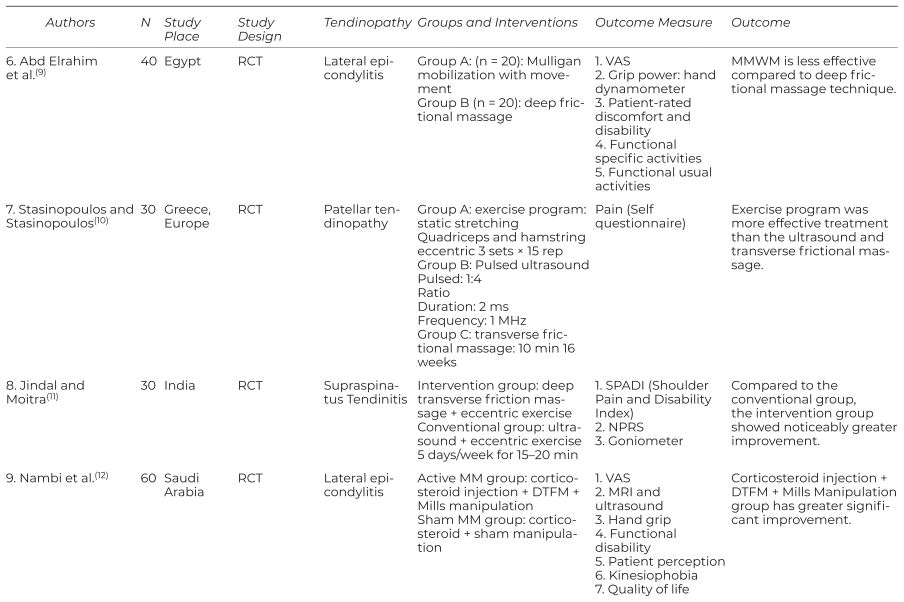
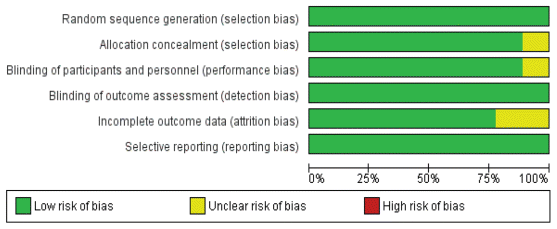
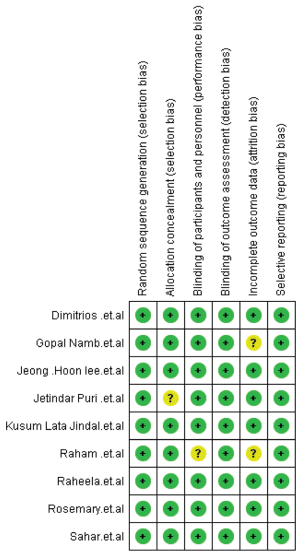
The Cochrane risk-of-bias approach was used to assess the quality of the articles that were chosen for the study by two independent researchers. Each individual article selected for the studies was examined based on the reviewer’s classifications of high, low, and unclear risk of bias. The following quality evaluation standards were applied: random sequence generation, allocation concealment, selective reporting, participants and personnel blinding, incomplete data outcome, blinding of outcome assessment, and other biases. Finally the percentage (Figure 2) and summary (Figure 3) of the reviewed articles were obtained by the researchers (SS, SP and JT).
|
| ||
|
Figure 2 Percentage of risk of bias. | ||
|
| ||
|
Figure 3 Summary of risk of bias. | ||
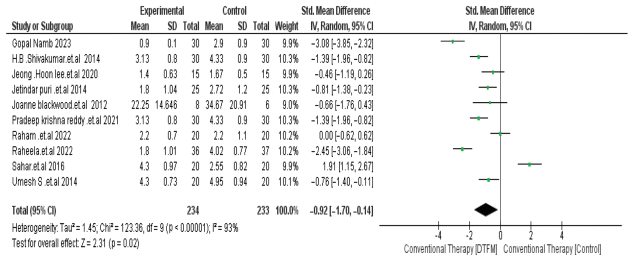
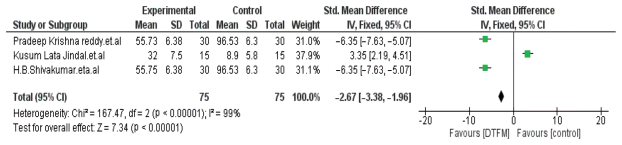
We pooled the continuous visual analog scale (VAS) data from each trial to generate a standardized mean difference (SMD) with a 95% confidence interval (CI) using a random-effects model for pain (Graph 1) and a fixed-effect model for the Shoulder Pain and Disability Index (SPADI) (Graph 2) and Patient-Rated Tennis Elbow Evaluation (PRTEE) questionnaire (Graph 3) functional outcomes. The heterogeneity between the studies was investigated using the I2 statistic test, ranging from 0% to 100%, with a p-value of <0.05 considered significant. Using the RevMan software, a forest plot was generated to produce the quantitative analysis by a researcher independently (SS).
|
| ||
|
Graph 1 Comparison of conventional management with DTFM and conventional management without DTFM with outcome of VAS. CI = confidence interval; DTFM = deep transverse frictional massage; SD = standard deviation; VAS = visual analog scale. | ||
|
| ||
|
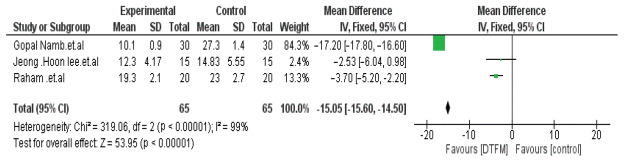
Graph 2 Comparison of conventional management with DTFM and conventional management without DTFM with outcome of SPADI. CI = confidence interval; DTFM = deep transverse frictional massage; SD = standard deviation; SPADI = Shoulder Pain and Disability Index. | ||
|
| ||
|
Graph 3 Comparison of conventional management with DTFM and conventional management without DTFM with outcome of PRTEE. CI = confidence interval; DTFM = deep transverse frictional massage; PRTEE = Patient-Rated Tennis Elbow Evaluation Questionnaire; SD = standard deviation. | ||
Out of 60 studies screened, 13 met the inclusion criteria. No articles were duplicates. Reasons for exclusion: 47 studies did not meet the eligibility criteria for interventions and outcome measures. Of the 13 eligible articles, 9 articles underwent qualitative analysis, and all the 13 articles underwent quantitative analysis. Risk of bias was assessed using the Cochrane risk-of-bias tool. Six studies were judged to have a low risk of bias, while three studies had an unclear risk of bias. Quantitative analysis was assessed based on pain (VAS) and functional outcome (Patient-Rated Forearm Evaluation Questionnaire, SPADI). The overall estimates of the VAS outcome with SMD, 95% CI using a random-effects model, and the SPADI and PRTEE outcome measures with SMD, 95% CI using a fixed-effects model, were estimated for DTFM with conventional physiotherapy compared to conventional therapy group.
Thirteen studies were identified to fulfill the eligibility criteria. Of these, three were comparative studies,(13,15,16) one was a pilot study,(6) and nine were randomized controlled trials.(4,5,7–12,14) All of these studies were subjected to qualitative analysis. Three studies used the Patient-Rated Forearm Evaluation Questionnaire to measure elbow disability,(8,9,12) and three studies used SPADI to measure shoulder disability.(11,13,15) Ten studies used the VAS to measure pain(4–6,8,9,12–16) for quantitative analysis (Table 1).
The PRTEE is a self-reported 15-item test utilized for evaluating disability and pain in a person with tennis elbow. Pain, usual activities, and specialized activities constitute its three sub-scales.(8,9,12)
SPADI is a self-administered questionnaire with two dimensions—one for pain and the other for functional activities. Five questions on the degree of a person’s pain constitute the pain dimension. Eight questions are used to evaluate functional activities. SPADI is developed to assess the difficulty a person experiences while performing several daily tasks required for upper-limb involvement.(11,13,15)
The VAS is used to quantify pain. The VAS comprises a line that is 10-cm long, with two end points that stand for 0 (i.e., “no pain”) and 10 (i.e., “pain as bad as it could be”).(4–6,8,9,12–16)
Based on a meta-analysis of the overall VAS outcome with SMD and 95% CI using a random-effects model (Graph 1), 10 out of 13 articles validate the finding that DTFM with conventional treatment significantly reduces pain on tendinopathies (SMD = −0.92, CI = −1.70 to −0.14, p = 0.02) compared to conventional treatment alone. The heterogeneity test result showed a significant difference in heterogeneity (I2 = 93%; p ≤ 0.00001).
The outcome measure of SPADI and PRTEE was used to validate the disability of shoulder and elbow joints. The SPADI outcome measure was analyzed using SMD, 95% CI using a fixed-effects model. Three articles validate the finding that DTFM with conventional treatment significantly reduces shoulder disability when compared to conventional treatment alone (SMD = −15.05, CI = −15.60 to −14.50, p ≤ 0.00001). The heterogeneity test result showed significant heterogeneity (I2 = 99%; p ≤ 0.00001) (Graph 2). The PRTEE outcome measure was analyzed using SMD, 95% CI using a fixed-effects model. Three articles validate the finding that DTFM with conventional treatment significantly reduces shoulder disability when compared to the conventional treatment alone (SMD = −2.67, CI = −3.38 to −1.96, p ≤ 0.00001). The heterogeneity test result showed significant heterogeneity (I2 = 99%; p ≤ 0.00001) (Graph 3).
This study reveals that DTFM combined with conventional physiotherapy provides a remarkable effect on pain reduction and enhancing function. However, the forest plot exhibits high heterogeneity of VAS (I2 = 93%), SPADI (I2 = 99%), and PRTEE (I2 = 99%). Higher heterogeneity in the study can be due to multiple factors such as variations in treatments or interventions used in the studies in terms of dose, duration, or type. Variations in population characteristics (e.g., age, gender, comorbidities, disease stage) and outcome measures (different time points for follow-up) can contribute to variations in outcomes. DTFM combined with conventional therapy provides a synergistic benefit that enhances the healing process. While DTFM can directly improve local conditions by fostering blood circulation and reducing scar tissue, conventional therapy can work on broader functional improvements, ensuring that the tendon is not only healing but also becoming stronger and more resilient against future injuries.(17) According to Stasinopoulos and Johnson, DTFM is frequently used in therapeutic settings and often results in instantaneous pain alleviation. During the session, the patient feels numb, and a quick post-treatment evaluation reveals less pain and a gain in strength and mobility.(18) In a study that compared TFM and Mill’s manipulation with phonophoresis and exercises for treating tennis elbow, it was shown that after 8 weeks, the TFM/Mill’s manipulation group’s results dramatically improved.(19) When combined with eccentric exercises, DTFM proved to be more beneficial than ultrasonic therapy in reducing the severity of tendinopathy pain and increasing ankle range of motion.(7) Lee et al. demonstrated that tennis elbow patients’ pain, function, strength, and activity are all influenced by taping and DTFM treatments. The findings demonstrated that both the taping-with-DTFM and the taping-alone groups significantly reduced elbow pain and boosted muscle activation. After the intervention, taping and DTFM were found be effective treatment approaches for tennis elbow patients.(8) DTFM enhances the muscles’ viscoelastic qualities, improves their function, and reduces pain. A technique known as deep friction or soft-tissue massage works by realigning normal soft-tissue fibers in an effort to lessen abnormal fibrous adhesions and increase the mobility of scar tissue in acute, subacute, and chronic inflammatory disorders.(20–23) In patients with lateral epicondylalgia, corticosteroid injection combined with DTFM and Mill’s technique was more effective than the sham group in terms of reducing pain, injury percentage, functional disability, kinesiophobia, and depression, and improving handgrip power and quality of life.(12) The study had proven that splinting, cortisone injections and deep friction massage all resulted in significant improvements in pain in the early follow-up period (6–12 weeks). Specifically, patients who received either a cortisone injection or deep friction massage showed improvements in both their DASH (disabilities of the arm, shoulder, and hand) score and grip strength during this period. These results imply that deep friction massage can be an effective treatment for lateral epicondylitis.(5)
This systematic review and meta-analysis reveals that DTFM, when combined with conventional therapy, significantly improves function and reduces pain. Importantly, no adverse effects of DTFM have been identified, supporting its safety and efficacy. Based on these findings, DTFM combined with conventional therapy should be considered a first-line therapeutic option for the management of tendinopathies in clinical practice, offering a promising and effective intervention to improve patient outcomes.
The authors declare there are no conflicts of interest.
Sathya Siva: wrote the paper, worked on qualitative (Cochrane risk of bias) and quantitative (forest plot) analysis, data extraction, and PRISMA guidelines. Prathap Suganthirababu: wrote the paper, worked on search strategies, data extraction, and qualitative analysis. S. Vignesh: worked on PRISMA guidelines, qualitative analysis. Kishoremoy Das: wrote the paper, worked on PROSPERO Registration Trail. K. Priyadharshini: revised for grammatical correction. S. Dhanusia: reference formatting. S. Santhana Lakshmi: manuscript preparation. J. Vanitha: analyzed for plagiarism. J. Titus: wrote the paper, manuscript formatting. V. Surya Prakash: wrote the paper, revised for grammatical errors. Mohammed Arifullah Mohamed Fazulah: revised for grammatical errors and overall manuscript formatting.
No sources of funding were used in this study.
1. Loiacono C, Palermi S, Massa B, Belviso I, Romano V, Di Gregorio A, et al. Tendinopathy: pathophysiology, therapeutic options, and role of nutraceutics. A narrative literature review. Medicina (Kaunas). 2019;55(8):447. https://doi.org/10.3390/medicina55080447
Crossref PubMed PMC
2. Fu SC, Rolf C, Cheuk YC, Lui PP, Chan KM. Deciphering the pathogenesis of tendinopathy: a three-stages process. BMC Sports Sci Med Rehabil. 2010;2(1):30. https://doi.org/10.1186/1758-2555-2-30
Crossref
3. Guise JM, Butler ME, Chang C, Viswanathan M, Pigott T, Tugwell P. AHRQ series on complex intervention systematic reviews—paper 6: PRISMA-CI extension statement and checklist. J Clin Epidemiol. 2017;90:43–50. https://doi.org/10.1016/j.jclinepi.2017.06.016
Crossref PubMed
4. Hassan SM, Hafez AR, Seif HE, Kachanathu SJ. The effect of deep friction massage versus stretching of wrist extensor muscles in the treatment of patients with tennis elbow. Open J Ther Rehabil. 2016;4(1):48–54. https://doi.org/10.4236/ojtr.2016.41004
Crossref
5. Yi R, Bratchenko WW, Tan V. Deep friction massage versus steroid injection in the treatment of lateral epicondylitis. Hand (N Y). 2017;13(1):56–59. https://doi.org/10.1177/1558944717692088
Crossref PubMed PMC
6. Blackwood J, Ghazi F. Can the addition of transverse friction massage to an exercise programme in treatment of infrapatellar tendinopathy reduce pain and improve function? A pilot study. Int Musculoskelet Med. 2012;34(3):108–114. https://doi.org/10.1179/1753615412y.0000000005
Crossref
7. Kousar R, Sanaullah M, Ikram M, Aleem A, Memon AG, ur Rehman SS. Effects of ultrasound therapy versus transverse friction massage along with eccentric exercise program on chronic Achilles tendinopathy. Rehabil J. 2022;6(2):333–337. https://doi.org/10.52567/trj.v6i02.110
Crossref
8. Lee JH, Oh JS, Kim MH. Effect of deep friction massage with taping technique on strength, pain, function and wrist extensor muscle activity in patient with tennis elbow. J Musculoskelet Sci Technol. 2020;4(2):76–83. https://doi.org/10.29273/jmst.2020.4.2.76
Crossref
9. Abd Elrahim RM, Ali MF, Elwerdany SH, Salama AM, Elsayed M. Mulligan mobilisation with movement versus deep friction massage in patients with lateral epicondylitis. J Pharm Negat Results. 2022;13:5184–5192. https://doi.org/10.47750/pnr.2022.13.S09.639
10. Stasinopoulos D, Stasinopoulos I. Comparison of effects of exercise programme, pulsed ultrasound and transverse friction in the treatment of chronic patellar tendinopathy. Clin Rehabil. 2004;18(4):347–352. https://doi.org/10.1191/0269215504cr757oa
Crossref PubMed
11. Jindal KL, Moitra M. Efficacy of conventional treatment and eccentric exercise with and without deep transverse friction massage in supraspinatus tendinitis patients a randomized clinical trail. Indian J Physiother Occup Ther. 2015;9(3):243–247. https://doi.org/10.5958/0973-5674.2015.00131.8
Crossref
12. Nambi G, Alghadier M, Verma A, Aldhafian OR, Alshahrani NN, Saleh AK, et al. Clinical and radiological effects of Corticosteroid injection combined with deep transverse friction massage and Mill’s manipulation in lateral epicondylalgia–a prospective, randomized, single-blinded, sham controlled trial. PLoS One. 2023;18(2):e0281206. https://doi.org/10.1371/journal.pone.0281206
Crossref PMC
13. Shivakumar HB, Chanappa TS, Reddy PK, Dey J. A comparative study between the efficacies of ultrasound therapy with cryokinetics versus ultrasound therapy with soft tissue massage (deep friction massage) in acute supraspinatus tendinitis. J Evol Med Dent Sci. 2014;3(15):3898–3907. https://doi.org/10.14260/jemds/2014/2374
Crossref
14. Puri J, Ahmed DN. Effects of deep friction massage on tendinitis (lateral epicondylitis) in comparison to ultrasound therapy. Pak J Rehabil. 2014;3(2):36–40. https://doi.org/10.36283/pjr.zu.3.2/008
Crossref
15. Reddy PK, Dey J, Joshi YS, Kumar S. Effect of ultrasound therapy with cryokinetics versus ultrasound therapy with soft tissue massage (deep friction massage) in acute supraspinatus tendinitis – a comparative study. Int J Health Sci Res. 2021;11(7):249– 256. https://doi.org/10.52403/ijhsr.20210734
Crossref
16. Jadhav US, Raja R, Sarala SR, Sharath UR. A study to compare the efficacy of transverse friction massage versus cryotherapy with eccentric training on decline board in chronic patellar tendinopathy in volleyball and basketball players. Int J Appl Health Sci. 2014;1:23–29.
17. Schwellnus M, Mackintosh L, Mee J. Deep transverse frictions in the treatment of lliotibial band friction syndrome in athletes: a clinical trial. Physiotherapy. 1992;78(8):564–568. https://doi.org/10.1016/s0031-9406(10)61197-2
Crossref
18. Gregory M, Deane M, Mars M. Ultrastructural changes in untraumatised rabbit skeletal muscle treated with deep transverse friction. Physiotherapy. 2003;89(7):408–416. https://doi.org/10.1016/s0031-9406(05)60074-0
Crossref
19. Nagrale AV, Herd CR, Ganvir S, Ramteke G. Cyriax physiotherapy versus phonophoresis with supervised exercise in subjects with lateral epicondylalgia: a randomized clinical trial. J Man Manip Ther. 2009;17(3):171–178. https://doi.org/10.1179/jmt.2009.17.3.171
Crossref PMC
20. Brosseau L, Casimiro L, Milne S, Welch V, Shea B, Tugwell P, et al. Deep transverse friction massage for treating tendinitis. Cochrane Database Syst Rev. 2002;(4):CD003528. https://doi.org/10.1002/14651858.CD003528
21. Varghese JG, Priya GAGH. Role of fascia in human function. Res J Pharm Technol. 2017;10(8):2759. https://doi.org/10.5958/0974-360x.2017.00489.9
Crossref
22. Sowmya MV, Nandhini S, Manigandan V. Effect of ultrasound and calf stretching in relieving gastrocnemius tightness in subjects with plantar fasciitis. Res J Pharm Technol. 2021:3025–3028. https://doi.org/10.52711/0974-360x.2021.00529
23. Kishore S, Ravi P, Dominic D, Gnanapragasam R. Comparison of effectiveness of prolotherapy and corrective exercise program vs prolotherapy and isometrics strengthening on pain and functional improvement in supraspinatus tendinopathy in a tertiary care centre. Cent Eur J Sport Sci Med. 2023;42:65–73. https://doi.org/10.18276/cej.2023.2-06
Corresponding author: Sathya Siva, Saveetha College of Physiotherapy, Saveetha Institute of Medical and Technical Sciences, Chennai, Tamil Nadu, India. E-mail: sathyasivakannan@gmail.com Tel: +91-9884579620
COPYRIGHT
Published under the CreativeCommons Attribution-NonCommercial-NoDerivs 3.0 License.
International Journal of Therapeutic Massage and Bodywork, Volume 18, Number 2, June 2025