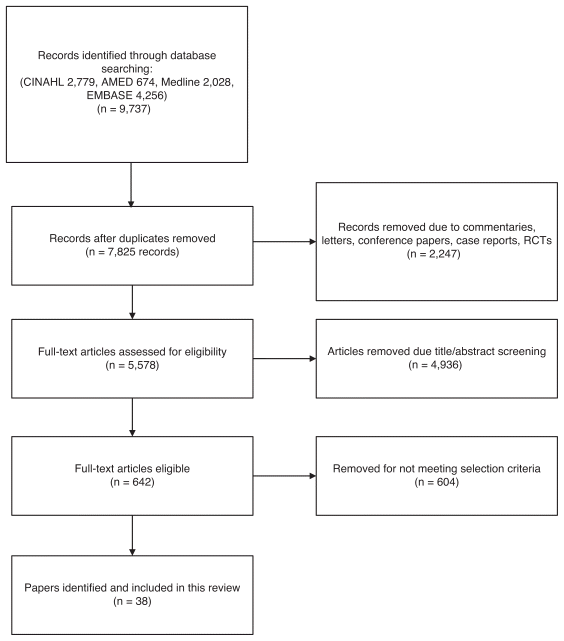
Figure 1 Flow chart of study selection.
Suzy Ladanyi, MN(CritCare), BN, RN, GCHETL,1* Jon Adams, BA (Hon), M.Arts, PhD,2 David Sibbritt, B.Math, M.Med.Stats, PhD2
1School of Nursing and Midwifery, Faculty of Health, University of Technology Sydney, Sydney, NSW, Australia,
2School of Public Health, Faculty of Health, University of Technology Sydney, Sydney, NSW, Australia
Background
Massage therapy is a popular treatment for musculoskeletal conditions globally. As the efficacy for massage therapy grows over time, it is becoming a more acceptable form of therapy alongside conventional medicine. The aim of this systematic review is to highlight the prevalence of massage therapy utilization specifically for the treatment of musculoskeletal conditions.
Methods
A comprehensive search of health databases using keywords mapped to massage and musculoskeletal conditions identified 38 studies. An assessment of the quality of these studies was undertaken using a validated quality appraisal instrument.
Results
Overall, the prevalence of massage use ranged from 2% to 81.2%. The range narrowed marginally from 2.2% to 56% in larger studies (n ≥ 1,000). Prevalence was higher among younger individuals, ranging from 12% to 56%. The prevalence of use among women ranged from 7.7% to 56%. The highest prevalence for conditions was for lower back pain/back pain, ranging from 10.5% to 68.1%, and for patients with chronic pain, ranging from 17.6% to 56%. The lowest prevalence was reported in Australia, ranging from 2% to 56%, and the highest in North America, from 2.2% to 81.2%.
Conclusions
Our findings indicate that 74% of studies in this review relating to prevalence of massage therapy utilization for musculoskeletal conditions are reported within studies focusing on complementary medicine more generally. Further studies on massage as an independent treatment modality would be useful to provide improved evidence on prevalence for massage use for musculoskeletal conditions. While the range of prevalence reported here is wide, inpatients and outpatients with specific musculoskeletal conditions including pain are high users of massage therapy. Despite the growing interest in research, there is a gap in the literature around men and their use of massage therapy. Further high-quality research in these areas will better inform the knowledge base around these participant cohorts.
KEYWORDS: Massage; musculoskeletal; prevalence; systematic review
Musculoskeletal conditions include injuries that affect the musculoskeletal system arising from physiological and psychological injury as well as external and environmental factors such as sports and exercise. Generally, these conditions can be localized to one or more muscles, bones, and connective tissues and be associated with muscle tension and/or joint injury, inflammation, stiffness, or can affect a broader area depending on the level of injury. Musculoskeletal conditions may be caused by acute injury or occur more gradually over time leading to chronic injury such as osteoarthritis or degenerative injury such as rheumatoid arthritis or other more localized chronic conditions such as back pain, gout, and other disorders of the musculoskeletal system.(1)
The World Health Organization estimates that there are 1.71 billion people with musculoskeletal conditions worldwide and due to population growth and aging, the number of people living with musculoskeletal conditions and associated functional limitations is rapidly increasing.(2) Musculoskeletal conditions significantly limit mobility and dexterity, which may lead to lower levels of well-being and reduced ability to participate in society and contribute to early retirement from work. It is not surprising then that musculoskeletal conditions are the leading contributor to disability worldwide.(2)
Massage therapy is one of many complementary and integrative medicine (CIM) practices that make up a diverse group of beneficial health and wellness treatment modalities that are not traditionally associated with conventional medicine or medical curriculum.(3) As one of the more popular forms of treatment for conditions either associated with or independent of chronic pain, massage therapy has become a widely acceptable form of CIM alongside conventional practice or as a sole form of treatment.(4–14) Massage therapy has also been shown to be one of the most commonly used forms of treatment to relieve symptoms associated with musculoskeletal conditions, and by doing so, it improves mobility, reduces pain, and increases quality of life.(9,12,13,15–21) The most common reason for massage therapy utilization is for the treatment of muscle pain, joint and bone pain relief, and mood elevation.(22–25)
While data reporting on prevalence of massage therapy utilization are mostly drawn from studies investigating CIM, previous publications reporting on the prevalence of massage therapy utilization specifically have focused on patterns and predictors of massage practitioner utilization in the United States (lifetime 12.8% and previous 12 months 6.8%),(26) as well as visits to massage therapists by the general adult population (United States, UK, Canada, Australia, Singapore, and South Korea: median = 5.5%).(27) The prevalence of massage therapy use has also been reported in relation to specific non-musculoskeletal illnesses such as headache disorders (Australia: 33.9%)(28) and palliative care (US veterans: 26%).(29)
Despite massage therapy being a popular form of CIM for musculoskeletal conditions with a wide range of benefits including improving quality of life, there is little known about the prevalence of massage therapy utilization for musculoskeletal conditions specifically across the globe. The aim of this review is to report on the prevalence of massage therapy utilization in the treatment and management of musculoskeletal conditions with a view to assist future policymakers and key stakeholders in their decision-making around accessibility in health care.
A comprehensive search of peer-reviewed literature of four research databases, CINAHL (Cumulative Index to Nursing and Allied Health Literature), Medline (Medical Literature Analysis and Retrieval System Online), EMBASE (Excerpta Medica Database), and AMED (Allied and Complementary Medicine Database), was conducted from January 2000 to January 2024. CINAHL and Medline are firmly established databases for health and medical scholarship. EMBASE is a trusted source of global, evidence-based pharmacological and biomedical research, incorporating the Emtree thesaurus, providing comprehensive indexing, and allowing for precise biomedical and life science information retrieval. AMED is the specialist authority from the Health Care Information Service of the British Library, offering access to resources regarding complementary and alternative medicine.
The search was undertaken through combining two key themes of “massage” and “musculoskeletal” respectively. Key words (KW) and their Mesh terms/headings (MH) were searched with “OR” inside each and combined later with “AND.” That is, for the “massage” component, key words “massag*”; OR MH “massage”; OR “deep tissue massage”; OR “sports massage”; OR “Swedish Massage”; were combined with “AND” for the “musculoskeletal” component which consisted of key words “musculoskeletal”; OR KW “muscular”; OR MH “Joint Instability”; OR MH “Finger Joint”; OR MH “Hand Joints”; OR MH “Hip Joint”; OR MH “Elbow Joint”; OR MH “Ankle Joint” OR MH “Knee Joint”; OR MH “Shoulder Joint”; OR MH “Sternoclavicular Joint”; OR MH “Tarsal Joint”; OR MH “Toe Joint”; OR KW “joint*”; OR MH “arthritis”; OR KW “Arthritis”; OR MH “Arthritis, Rheumatoid”; OR MH “Osteoarthritis”; OR KW “osteoarthritis”; OR MH “Osteoarthritis, Spine”; OR MH “Osteoarthritis, Wrist”; OR MH “Osteoarthritis, Knee”; OR MH “Osteoarthritis, Hip”; OR MH “Osteoarthritis, Cervical”; OR MH “Osteoporosis”; OR KW “osteoporosis”; OR MH “Chronic Pain”; OR KW “chronic pain”; OR MH “Knee Pain”; OR MH “Neck Pain”; OR MH “Chronic Pain”; OR MH “Back Pain”; OR MH “Myofascial Pain Syndromes”; OR KW “back pain”; OR KW “neck pain”; OR KW “hip pain”; OR KW “Shoulder Pain”; OR KW “Knee Pain”; OR KW “foot pain”; OR KW “hand pain.” In addition to this search process, hand searches of prominent peer-reviewed journals were conducted, and relevant articles were sought via Google Scholar and thorough examination of reference lists of identified publications was also undertaken.
Figure 1 details the process of how the search was refined to arrive at extracting the selected 38 empirical studies reporting on prevalence of massage therapy utilization for musculoskeletal conditions. The initial search identified 9,737 articles, all of which were imported into Endnote (X9.3.3™) which was used to sort and manage literature throughout the review. Once assessed for eligibility and after the removal of duplicates, title and abstract screening was undertaken by S. Ladanyi, and the potentially relevant studies were then assessed by S. Ladanyi and checked by D. Sibbritt. Excluded articles and any discrepancies were discussed and resolved and data from the remaining 38 eligible studies included in this review were subject to quality appraisal and were organized and tabled for evaluation (Table 1).
|
| ||
|
Figure 1 Flow chart of study selection. | ||
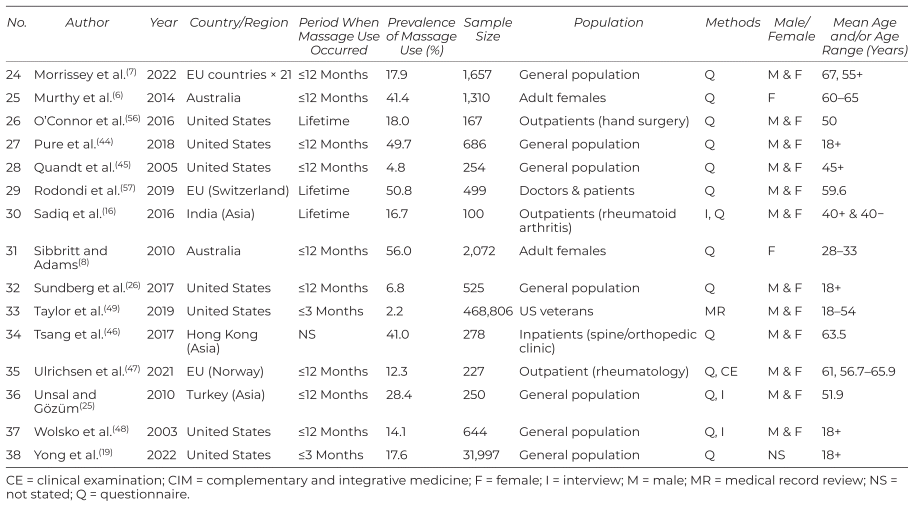
Table 1 Research Studies of Prevalence of Massage Therapy Utilization for Musculoskeletal Conditions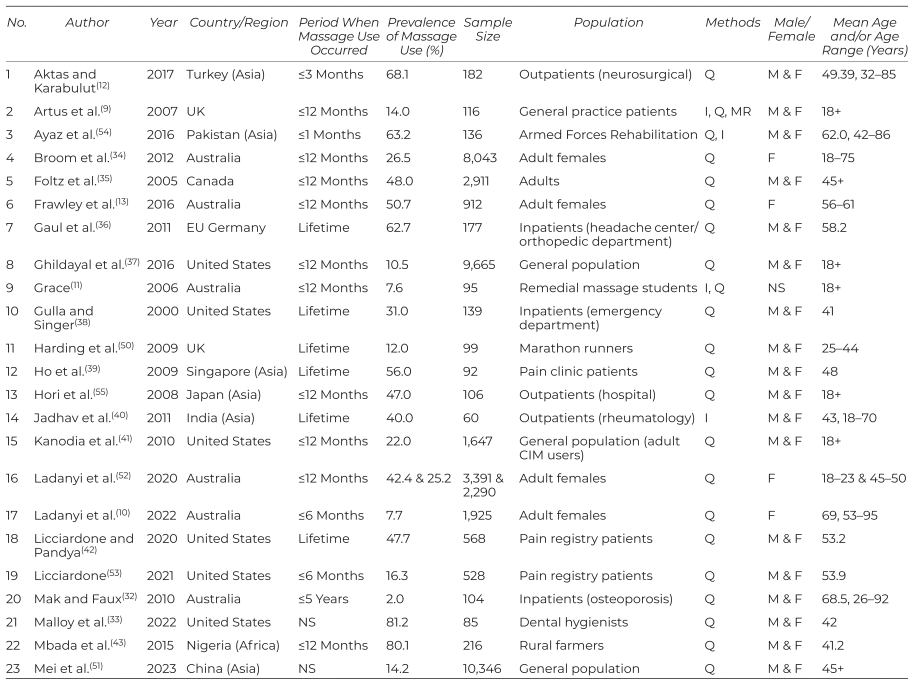
Only studies that reported in English on the prevalence of massage therapy utilization for musculoskeletal conditions were included in this review, regardless of duration of use. The term “massage therapy” in this review included generic styles such as effleurage, deep tissue, sports massage, and Swedish massage. “Musculoskeletal conditions” included those involving joint acute or chronic muscle or myofascial pain as well as disease processes directly relevant to and affecting musculoskeletal health such as rheumatoid arthritis, osteoporosis, and other degenerative/inflammatory musculoskeletal conditions such as osteoarthritis and arthritis.
Research studies reporting epidemiological data and health service utilization were included. Studies that reported prevalence of massage therapy utilization for musculoskeletal conditions directly were included, as were studies where massage therapy was reported among other CIM, but only if they reported on prevalence of massage therapy utilization for musculoskeletal conditions specifically. There were no restrictions on age ranges above neonates or infants (as per exclusion criteria), and no restrictions on gender. Only participants who utilized massage therapy for musculoskeletal conditions were included. Conditions were limited to those directly related to musculoskeletal conditions where massage was used for treatment. There were no restrictions on the country of publication, and the year of publication was limited to January 2000 to January 2024.
All articles reporting on reviews of the literature, randomized controlled trials, clinical trials, trials, intervention studies, experimental studies, editorials, conference abstracts, animal studies, case studies, protocols, news articles, and research published in a language other than English were excluded. In addition, studies reporting on pregnant women and pediatric or neonatal patients exclusively, as well as studies reporting on people experiencing malignancy, palliative care, or patients suffering any form of terminal illness, were also excluded. Specific types of massage therapy such as traditional Chinese massage, aromatherapy massage, and hot stone massage were also excluded, as were all studies on self-administered massage.
A quality appraisal instrument specifically developed for the critical appraisal of health literature when prevalence and incidence of health problems are investigated(30) was adapted and used to evaluate the quality of the articles selected in the review via a 9-point scoring system (Table 2).(30,31) This scoring system was applied to all 38 studies included in the review. Authors S. Ladanyi and D. Sibbritt independently appraised and scored each of the 38 studies against the 9-point quality appraisal system. Judication of any discrepancies was conducted by J. Adams. The score for each article appears in Table 3.
Table 2 Description of Quality Criteria and Scoring for Selected Studies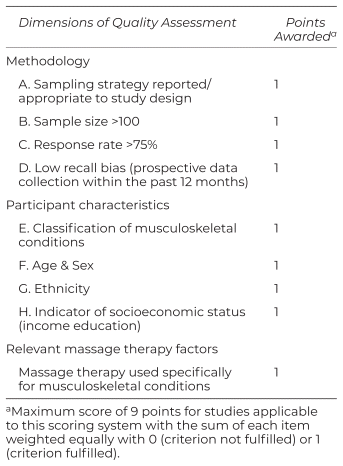
Table 3 Quality Score for Selected Studies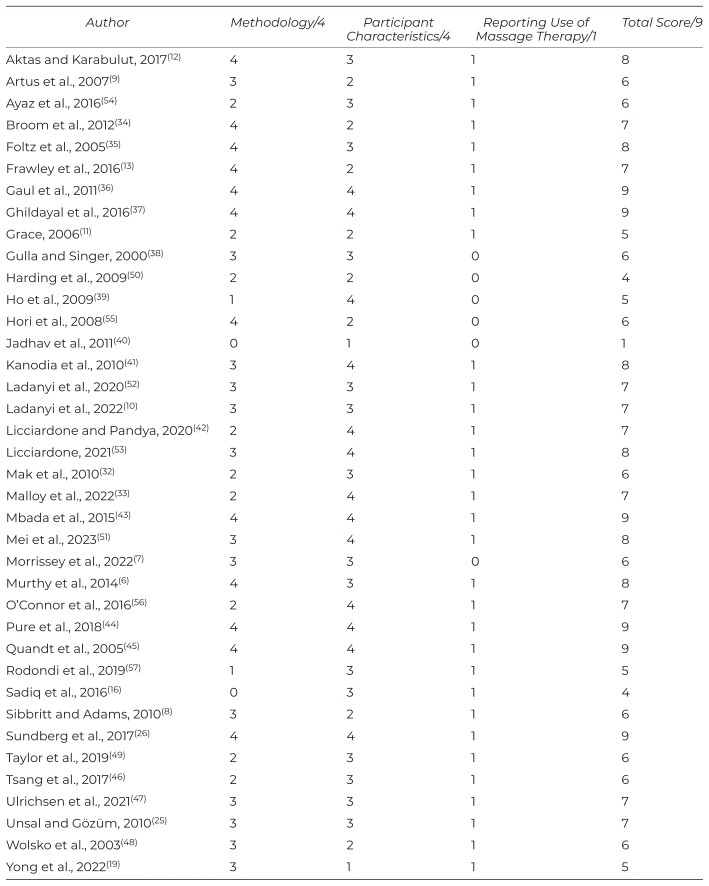
The prevalence for massage therapy utilization for musculoskeletal conditions reported in each of the studies was reported by sub-categories based on themes, including age, gender, population, condition, country and continent, year of publication, and sample size (defined as smaller (n < 1,000) or larger studies (n ≥ 1,000)).
According to the EQUATOR guidelines, this research was not conducted on humans and animals in the laboratory; therefore, ethics approval was not applicable.
Of the 38 studies included in this literature review, the prevalence for massage therapy utilization for musculoskeletal conditions ranged from 2%(32) in osteoporotic patients to 81.2%(33) in dental hygienists. For most of the studies in this review (n = 28), the prevalence of massage therapy for musculoskeletal conditions was mostly reported among other forms of CIM. Of all 38 studies, 22 reported massage therapy in the top three most commonly used forms of CIM for musculoskeletal conditions.(6,7,9,12,16,19,33–48) Among the 12 studies with a large sample size (n ≥ 1,000), the range of the prevalence of massage therapy utilization for musculoskeletal conditions was 2.2(49)–56%.(8) The highest prevalence of massage therapy utilization for musculoskeletal conditions was reported at 81.2% in dental hygienists(33) and 80.1% in rural farmers.(43)
The range of prevalence for those who used massage therapy for musculoskeletal conditions for 12 months or less (n = 25) was 2.2(49)–80.1%(43); and 2% for those who used massage for more than 12 months but not lifetime (n = 1).(32) For studies reporting lifetime use of massage therapy (n = 9), the range of prevalence was 12(50)–62.7%.(36)
The majority of studies included participants spanning adulthood. However, there were 10 studies that included participants with more specific age ranges. There were studies where the age of participants was 44 years or under (n = 2),(8,50) or 45 years or over (n = 8);(6,7,10,13,35,45,47,51) and one study included participants from both the 44 or under range (32–39 years) and the 45 or over age range (i.e., 62–67 years).(52) The prevalence of massage therapy utilization for musculoskeletal conditions for individuals 44 years or under (n = 2) ranged from 12%(50) to 56%(8) and for the 45 years or over age group (n = 8), the prevalences ranged from 4.8%(45) to 50.7%.(13) For the one study that reported prevalence of massage therapy use from two cohorts of women, the prevalence was higher among the younger women (42.4%), compared to the older women (25.2%).(52)
The majority of studies (n = 30) included both male and female participants. Six studies included women-only participants, reporting the prevalence of massage therapy use for musculoskeletal conditions ranging from 7.7%(10) in mid-older Australian women to 56%(8) in younger Australian women. There were no studies reporting on men-only participants. There were two studies that did not report the gender of the participants.
Studies reporting on massage therapy utilization for musculoskeletal conditions among a general population (n = 9) reported a range of prevalence between 4.8%(45) and 49.7%.(44) In studies where participants were inpatients or outpatients with a specific condition (n = 10), the prevalence ranged from 12.3%(47) to 68.1%.(12) Of the three studies that reported on pain among pain registry and pain clinic patients, prevalences ranged from 16.3%(53) to 56%.(39) For a study reporting on adult complementary alternative medicine (CAM) users (from the general population) (n = 1), the prevalence was 22%.(41)
Conditions reported by participants in this review were categorized into seven categories. The prevalences for the categories are as follows: 10.5(37)–68.1%(12) for lower back pain/back pain (n = 10); 4.8(45)–63.2%(54) for osteoarthritis/arthritis/rheumatoid arthritis (n = 8); 2.2(49)–80.1%(43) for musculoskeletal pain (n = 6); 14.1(48)–62.7%(36) for “other” pain (n = 2); 7.6(11)–47%(55) for musculoskeletal injury (n = 3); 18(56)–50.7%(13) for general miscellaneous (n = 5); and 2% for osteoporosis (n = 1).
Chronic pain was noted in six of the studies included earlier(9,12,42,49,53,57) and two studies specifically on chronic pain for musculoskeletal conditions.(19,39) The prevalence overall for chronic pain ranged from 2.2%(49) to 68.1%.(12)
The prevalence of massage therapy use by regions was as follows: 2.2(49)–81.2%(33) in North America (n = 14); 2(32)–56%(8) in Australia (n = 8); 12(50)–62.7%(36) in UK and Europe (n = 6); 14.2(51)–68.1%(12) in Asia (n = 9); and 80.1%(43) in Africa (n = 1).
In the decade incorporating the years 2000–2011 inclusive, there were 15 studies with the prevalence of massage therapy utilization for musculoskeletal conditions ranging from 2%(32) to 62.7%.(36) In the following decade, from 2012 to 2023 inclusive, there were 23 studies with the prevalence of massage therapy utilization ranging from 2.2%(49) to 81.2%.(33)
This paper reports the first systematic review of the prevalence of massage therapy utilization specifically for musculoskeletal conditions. Our results from the 38 studies included in the review indicate a wide range of prevalence for the use of massage therapy for musculoskeletal conditions, 2(32)–81.2%.(33) The highest prevalence for massage therapy utilization in this review was reported for musculoskeletal conditions in dental hygienists (81.2%)(33) and rural farmers (80.1%).(43) Of the larger studies where the sample size was greater than 1,000 (n = 12),(6–8,10,19,34,35,37,41,49,51,52) the range of prevalence was 2.2(49)–56%.(8) These results demonstrate research interest in the utilization of massage therapy for musculoskeletal conditions in these studies. In addition, our findings provide insight into the variation in prevalence of massage use that occurs due to a range of factors.
Despite the correlation of pain being linked to musculoskeletal conditions and massage use, and that these conditions may progress over time, our findings indicated a higher prevalence of massage use among younger participants (44 years and under), 12(50)–56%,(8) than those 45 years and over, 4.8(45)–50.7%.(13) This unexpected finding may be due to the reasons for use by people in the different age ranges, where younger users have been shown in previous research to be more likely to use massage to support health-related life-styles,(50) and older people are more likely to seek massage therapy for remedial purposes relating to arthritic conditions(10,45) and pain,(6,7) as well as older individuals also using massage therapy complementary to conventional medical treatments.(47) Further, the difference in the prevalence of massage therapy use across age groups may also in part have been due to the limited number of studies conducted on participants aged 44 years and under as identified in our review (n = 2).(8,50) There would appear to be a need for further empirical investigation with a view to better determining the prevalence of massage use for musculoskeletal conditions across various age groups.
While some studies did not state the gender of the participants (n = 2),(11,19) most report on both men and women (n = 30). Within these studies that included both men and women, there was no reporting of gender-specific prevalences. Of the six studies reporting on female participants only,(6,8,10,13,34,52) all originated from Australia following investigation of the Australian Longitudinal Study on Women’s Health. There were no studies reporting on males specifically. Therefore, there is a clear gap in the literature regarding gender-specific prevalence of the use of massage therapy for musculoskeletal conditions.
For those more likely to use massage therapy for musculoskeletal conditions, our results indicate the widest range of prevalence is among the sub-group of the “general population” at 4.8(45)–49.7%(44); and 22% for adult CAM users in the general population.(41) General population participants who were also inpatients or outpatients with a specific condition reported the highest use of massage, 12.3(47)–68.1%,(12) followed by those with chronic pain, 2.2(49)–68.1%,(12) and “other pain” related to a musculoskeletal condition, 14.1(48)–62.7%.(36) These findings indicate a correlation between massage therapy use being common for inpatient and outpatient groups,(58) including those with chronic pain and other painful musculoskeletal conditions.(8,24,59,60)
These findings on general populations correlated with our findings on prevalence of massage therapy utilization for musculoskeletal conditions. We generated six different classifications of musculoskeletal conditions that emerged, with musculoskeletal pain in the form of lower back pain and back pain as the largest category. The highest prevalence for massage therapy utilization for musculoskeletal conditions was reported for musculoskeletal conditions in dental hygienists (81.2%) and musculoskeletal pain in rural farmers 80.1%,(43) followed by chronic lower back pain in neurosurgical outpatients.(12) These findings are consistent with other CIM studies reporting on the efficacy of massage therapy in achieving positive outcomes for those with pain(13,24,61) and suggest a high prevalence of massage therapy utilization for musculoskeletal conditions where pain is a central component.
Conversely, the prevalence of massage therapy was less popular among patients with osteoporosis (2%)(32) and among US veterans with musculoskeletal pain (2.2%).(49) These results may have occurred due to study design. For patients with osteoporosis, the survey did not include massage therapy as one of 12 possible CIM therapies for suggested treatment,(32) and, therefore, the response relied on participants stating this as an “other” therapy, rather than being prompted by the questionnaire item. Another study of prevalence related to US veterans included a large sample size (n = 468,806); however, the duration of massage inside this study was within a 3-month window; therefore, participants responded only if they used massage for a short period of time.(49) These differences in the definitions of CIM may have potentially limited the methodological design of these studies and as such impacted the quality of evidence and thus the findings. Further research for massage therapy utilization specifically is warranted to achieve more accurate results.
The majority of the studies included in this review originate from North America (n = 14), followed by Australia (n = 8), Asia (n = 9), and Europe (n = 6). One reason this review may have identified studies from these regions predominantly may be due to the inclusion/exclusion criteria where only studies in English were included. Our findings highlight that the lowest prevalence was reported in Australia (2(32)–56%(8)) and the highest prevalence was reported in North America (2.2(49)–81.2%(33)), although there was considerable overlap across all regions. A deficit in the knowledge base around massage use for musculoskeletal conditions in countries and regions where English is not a prominent spoken language may have impacted these results. Despite the lack of studies from these regions, there is evidence to suggest massage therapy is a popular form of CIM through one study in this review from Nigeria that reported the second highest prevalence for massage use (80.1%),(43) leaving the opportunity for future research.
While our study offers valuable insight into the prevalence of massage therapy utilization for musculoskeletal conditions, the results should be interpreted with caution due to the limitations of the review design. One such limitation is that only studies printed in English were considered in the review, potentially missing other relevant research in this area. Most data as reported were gathered via questionnaires or interviews, and this may have potentially created response bias. In addition, the methodological quality was variable across studies in this review. With the highest possible quality appraisal score of 9, the majority of studies (n = 35) scored 5 or greater. However, there was one study with a score of 1,(40) and two studies that scored 4.(16,50) Overall, the average score was 6.47/9. This scoring, combined with many of the studies being embedded in studies reporting on CIM more generally with varied definitions of CIM, may subject our results to selection bias, and such an issue should be considered when interpreting our findings.
Massage therapy is a popular treatment modality used among those suffering from musculoskeletal conditions. Implications for researchers, policymakers, and stakeholders involve the need for further high-quality epidemiological research in massage therapy use for the treatment of musculoskeletal conditions. Inpatients and outpatients with specific musculoskeletal conditions including pain should be included in future studies, as these groups have been shown to be high users of massage therapy. Musculoskeletal conditions with chronic pain/pain are a key motivator for those seeking the use of massage therapy; therefore, integrating healthcare benefits to subsidize massage therapy for older adults may be beneficial in the provision of services through accessibility. Future high-quality research on massage therapy utilization for musculoskeletal conditions specifically as a single form of treatment as well as age-, population-, and gender-specific studies with a focus on men across all regions will help contribute to the search for meaningful findings through sound methodology and evidence. In addition, the range of prevalences reported in this review was wide, and this is most likely the result of key methodological and population differences. This cannot be overlooked when interpreting results as evidence and can be positively applied to future research methodologies to improve the rigor and produce robust and reliable outcomes and findings.
The authors declare there are no conflicts of interest.
This work comprises part of PhD studies and no external funding was sought or provided.
All data generated or analyzed during this study are included in this published article.
Jon Adams and David Sibbritt: conceptualized and designed the review. Suzy Ladanyi: searched the databases and analyzed the data. All authors contributed to the manuscript and approved the final version.
The research on which the findings in this study are reported originates from published studies. We are grateful to the authors of the 38 articles cited in this review.
1. Australian Institute of Health and Welfare. The Burden of Musculoskeletal Conditions in Australia: A Detailed Analysis of the Australian Burden of Disease Study 2011. AIHW; 2011.
2. World Health Organization. Musculoskeletal health. World Health Organisation; 2022. Updated July 14, 2022. https://www.who.int/news-room/fact-sheets/detail/musculoskeletal-conditions
3. Adams J, Andrews GJ, Barnes J, Broom A, Magin P. Traditional, Complementary and Integrative Medicine: An International Reader. Palgrave MacMillan; 2012.
Crossref
4. Peleg R, Liberman O, Press Y, Shvartzman P. Patients visiting the complementary medicine clinic for pain: a cross sectional study. BMC Complement Altern Med. 2011;11:36.
Crossref PubMed PMC
5. Pinkowish MD. Complementary approaches to chronic pain. Patient Care. 2001;35(14):21–30.
6. Murthy V, Sibbritt D, Adams J, Broom A, Kirby E, Refshauge KM. Consultations with complementary and alternative medicine practitioners amongst wider care options for back pain: a study of a nationally representative sample of 1,310 Australian women aged 60–65 years. Clin Rheumatol. 2014;33(2):253–262.
Crossref
7. Morrissey AM, O’Neill A, O’Sullivan K, Robinson K. Complementary and alternative medicine use among older adults with musculoskeletal pain: findings from the European Social Survey (2014) special module on the social determinants of health. Br J Pain. 2022;16(1):109–118.
Crossref PubMed PMC
8. Sibbritt DW, Adams J. Back pain amongst 8,910 young Australian women: a longitudinal analysis of the use of conventional providers, complementary and alternative medicine (CAM) practitioners and self-prescribed CAM. Clin Rheumatol. 2010;29(1):25–32.
Crossref
9. Artus M, Croft P, Lewis M. The use of CAM and conventional treatments among primary care consulters with chronic musculoskeletal pain. BMC Fam Pract. 2007;8:26.
Crossref PubMed PMC
10. Ladanyi S, Adams J, Sibbritt D. Use of massage therapy by mid-aged and older Australian women. BMC Complement Med Ther. 2022;22(1):148.
Crossref PubMed PMC
11. Grace S. Patient choices for musculoskeletal injury. J Aust Trad Med Soc. 2006;12(2):75–76.
12. Aktas YY, Karabulut N. A cross sectional study on complementary and alternative medicine use among a sample of Turkish hospital outpatients with chronic lower back pain. Eur J Integr Med. 2017;16:33–38.
Crossref
13. Frawley J, Peng W, Sibbritt D, Ward L, Lauche R, Zhang Y, et al. Is there an association between women’s consultations with a massage therapist and health-related quality of life? Analyses of 1800 women aged 56–61 years. J Bodyw Mov Ther. 2016;20(4):734–739.
Crossref PubMed
14. Perlman AI, Ali A, Njike VY, Hom D, Davidi A, Gould-Fogerite S, et al. Massage therapy for osteoarthritis of the knee: a randomized dose-finding trial. PLoS One. 2012;7(2):1–9.
Crossref
15. Ramsey SD, Spencer AC, Topolski TD, Belza B, Patrick DL. Use of alternative therapies by older adults with osteoarthritis. Arthritis Rheum. 2001;45(3):222–227.
Crossref PubMed
16. Sadiq S, Kaur S, Khajuria V, Gupta S, Sharma A. Complementary and alternative medicine use in medical OPD patients of rheumatoid arthritis in a tertiary care hospital. Natl J Physiol Pharm Pharmacol. 2016;6(4):305–309.
Crossref
17. Gong G, Li J, Li X, Mao J. Pain experiences and self-management strategies among middle-aged and older adults with arthritis. J Clin Nurs. 2013;22(13–14):1857–1869.
Crossref PubMed
18. Furzer BJ, Wright KE, Petterson AS, Wallman KE, Ackland TR, Joske DJL. Characteristics and quality of life of patients presenting to cancer support centres: patient rated outcomes and use of complementary therapies. BMC Complement Altern Med. 2013;13:169.
Crossref PubMed PMC
19. Yong RJ, Mullins PM, Bhattacharyya N. Prevalence of chronic pain among adults in the United States. Pain. 2022;163(2):e328–e332.
Crossref
20. Hasanpour-Dehkordi A, Kabiri F, Dris F. Comparing the effects of massage therapy and aromatherapy on knee pain, morning stiffness, daily life function, and quality of life in patients with knee osteoarthritis. Complement Med Res. 2021;28(4):292–299.
Crossref PubMed
21. Pacheco-da-Costa S, Soto-Vidal C, Calvo-Fuente V, Yuste-Sánchez MJ, Sánchez-Sánchez B, Asúnsolo-Del-Barco Á. Evaluation of physical therapy interventions for improving musculoskeletal pain and quality of life in older adults. Int J Environ Res Public Health. 2022;19(12):7038.
Crossref PubMed PMC
22. Al-Yousef HM, Wajid S, Sales I. A community-based survey on massage therapy in Saudi Arabia. J Ayurveda Integr Med. 2019;10(4):290–293.
Crossref PubMed PMC
23. Bauer BA, Cutshall SM, Wentworth LJ, Engen D, Messner PK, Wood CM, et al. Effect of massage therapy on pain, anxiety, and tension after cardiac surgery: a randomized study. Complement Ther Clin Pract. 2010;16(2):70–75.
Crossref PubMed
24. Bakar Y, Sertel M, Oztürk A, Yümin ET, Tatarli N, Ankarali H. Short term effects of classic massage compared to connective tissue massage on pressure pain threshold and muscle relaxation response in women with chronic neck pain: a preliminary study. J Manipulative Physiol Ther. 2014;37(6):415–421.
Crossref PubMed
25. Unsal A, Gözüm S. Use of complementary and alternative medicine by patients with arthritis. J Clin Nurs. 2010;19(7–8):1129–1138.
Crossref PubMed
26. Sundberg T, Cramer H, Sibbritt D, Adams J, Lauche R. Prevalence, patterns, and predictors of massage practitioner utilization: results of a US nationally representative survey. Musculoskelet Sci Pract. 2017;32:31–37.
Crossref PubMed
27. Harris PE, Cooper KL, Relton C, Thomas KJ. Prevalence of visits to massage therapists by the general population: a systematic review. Complement Ther Clin Pract. 2014;20(1):16–20.
Crossref PubMed
28. Moore CS, Sibbritt DW, Adams J. A critical review of manual therapy use for headache disorders: prevalence, profiles, motivations, communication and self-reported effectiveness. BMC Neurol. 2017;17(1):61.
Crossref PubMed PMC
29. Mitchinson A, Fletcher CE, Kim HM, Montagnini M, Hinshaw DB. Integrating massage therapy within the palliative care of veterans with advanced illnesses: an outcome study. Am J Hosp Palliat Care. 2014;31(1):6–12.
Crossref
30. Loney PL, Chambers LW, Bennett KJ, Roberts JG, Stratford PW. Critical appraisal of the health research literature: prevalence or incidence of a health problem. Chronic Dis Can. 1998;19(4):170–176.
31. Migliavaca CB, Stein C, Colpani V, Munn Z, Falavigna M; Prevalence Estimates Reviews – Systematic Review Methodology Group (PERSyst). Quality assessment of prevalence studies: a systematic review. J Clin Epidemiol. 2020;127:59–68.
Crossref PubMed
32. Mak JCS, Faux S. Complementary and alternative medicine use by osteoporotic patients in Australia (CAMEO-A): a prospective study. J Altern Complement Med. 2010;16(5):579–584.
Crossref PubMed
33. Malloy L, Boyd LD, Adams J-L, Vineyard J. Quality of life in dental hygienists using complementary alternative medicine approaches for work-related musculoskeletal disorders. Int J Dent Hyg. 2022;20(2):233–240.
Crossref
34. Broom AF, Kirby ER, Sibbritt DW, Adams J, Refshauge KM. Use of complementary and alternative medicine by mid-age women with back pain: a national cross-sectional survey. BMC Complement Altern Med. 2012;12:98.
Crossref PubMed PMC
35. Foltz V, St Pierre Y, Rozenberg S, Rossignol M, Bourgeois P, Joseph L, et al. Use of complementary and alternative therapies by patients with self-reported chronic back pain: a nationwide survey in Canada. Joint Bone Spine. 2005;72(6):571–577.
Crossref PubMed
36. Gaul C, Schmidt T, Czaja E, Eismann R, Zierz S. Attitudes towards complementary and alternative medicine in chronic pain syndromes: a questionnaire-based comparison between primary headache and low back pain. BMC Complement Altern Med. 2011;11:89.
Crossref PubMed PMC
37. Ghildayal N, Johnson PJ, Evans RL, Kreitzer MJ. Complementary and alternative medicine use in the US adult low back pain population. Glob Adv Health Med. 2016;5(1):69–78.
Crossref PubMed PMC
38. Gulla J, Singer AJ. Use of alternative therapies among emergency department patients. Ann Emerg Med. 2000;35(3):226–228.
Crossref PubMed
39. Ho KY, Jones L, Gan TJ. The effect of cultural background on the usage of complementary and alternative medicine for chronic pain management. Pain Physician. 2009;12(3):685–688.
Crossref PubMed
40. Jadhav MP, Jadhav PM, Shelke P, Sharma Y, Nadkar M. Assessment of use of complementary alternative medicine and its impact on quality of life in the patients attending rheumatology clinic, in a tertiary care centre in India. Indian J Med Sci. 2011;65(2):50–57.
Crossref PubMed
41. Kanodia AK, Legedza AT, Davis RB, Eisenberg DM, Phillips RS. Perceived benefit of complementary and alternative medicine (CAM) for back pain: a national survey. J Am Board Fam Med. 2010;23(3):354–362.
Crossref PubMed
42. Licciardone JC, Pandya V. Use of complementary health approaches for chronic low-back pain: a pain research registry-based study. J Altern Complement Med. 2020;26(5):369–375.
Crossref PubMed
43. Mbada CE, Adeyemi TL, Adedoyin RA, Badmus HD, Awotidebe TO, Arije OO, et al. Prevalence and modes of complementary and alternative medicine use among peasant farmers with musculoskeletal pain in a rural community in South-Western Nigeria. BMC Altern Med. 2015;15:164.
Crossref
44. Pure E, Terhorst L, Baker N. Movement and manual therapy for adults with arthritis: 2012 National Health Interview Survey. Complement Ther Med. 2018;37:96–102.
Crossref PubMed
45. Quandt SA, Chen H, Grzywacz JG, Bell RA, Lang W, Arcury TA. Use of complementary and alternative medicine by persons with arthritis: results of the National Health Interview Survey. Arthritis Rheum. 2005;53(5):748–755.
Crossref PubMed
46. Tsang VHM, Lo PHW, Lam FT, Chung LSW, Tang TY, Lui HM, et al. Perception and use of complementary and alternative medicine for low back pain. J Orthop Surg (Hong Kong). 2017;25(3):2309499017739480.
Crossref PubMed
47. Ulrichsen M, Kristoffersen AE, Kjeken I, Haugen IK. Characteristics of persons with hand osteoarthritis visiting complementary and alternative medicine providers. Osteoarthr Cartil Open. 2021;3(4):100220.
Crossref
48. Wolsko PM, Eisenberg DM, Davis RB, Kessler R, Phillips RS. Patterns and perceptions of care for treatment of back and neck pain: results of a national survey. Spine. 2003;28(3):292–297.
Crossref PubMed
49. Taylor SL, Herman PM, Marshall NJ, Zeng Q, Yuan A, Chu K, et al. Use of complementary and integrated health: a retrospective analysis of U.S. veterans with chronic musculoskeletal pain nationally. J Altern Complement Med. 2019;25(1):32–39.
Crossref
50. Harding S, Swait G, Johnson IP, Cunliffe C. Utilisation of CAM by runners in the UK: a retrospective survey among non-elite marathon runners. Clin Chiropr. 2009;12(2):61–66.
Crossref
51. Mei F, Dong S, Li J, Xing D, Lin J. Preference of musculoskeletal pain treatment in middle-aged and elderly chinese people: a machine learning analysis of the China health and retirement longitudinal study. BMC Musculoskelet Disord. 2023;24(1):528.
Crossref PubMed PMC
52. Ladanyi S, Adams J, Sibbritt D. Massage therapy utilisation by Australian women: prevalence and determinants. J Bodyw Mov Ther. 2020;24(3):29–37.
Crossref PubMed
53. Licciardone JC. Demographic characteristics associated with utilization of noninvasive treatments for chronic low back pain and related clinical outcomes during the COVID-19 pandemic in the United States. J Am Board Fam Med. 2021;34(suppl):S77–S84.
Crossref PubMed
54. Ayaz SB, Rathore FA, Ahmad K, Matee S. The use of complementary health approaches among patients with knee osteoarthritis in Pakistan: a hospital based survey. Egypt Rheumatol. 2016;38(2):111–116.
Crossref
55. Hori S, Mihaylov I, Vasconcelos JC, McCoubrie M. Patterns of complementary and alternative medicine use amongst outpatients in Tokyo, Japan. BMC Altern Med. 2008;8:14.
Crossref
56. O’Connor C, Braun Y, Nota SP, Baloda T, Ring D. The association of complementary health approaches with mood and coping strategies among orthopedic patients. Hand. 2016;11(3):295–302.
Crossref
57. Rodondi PY, Bill AS, Danon N, Dubois J, Pasquier J, Matthey-de-l’Endroit F, et al. Primary care patients’ use of conventional and complementary medicine for chronic low back pain. J Pain Res. 2019;12:2101–2112.
Crossref PMC
58. White MR, Jacobson IG, Smith B, Wells TS, Gackstetter GD, Boyko EJ, et al. Health care utilization among complementary and alternative medicine users in a large military cohort. BMC Complement Altern Med. 2011;11:27.
Crossref PubMed PMC
59. Cheung CW, Choi SW, Wong SSC, Lee Y, Irwin MG. Changes in prevalence, outcomes, and help-seeking behavior of chronic pain in an aging population over the last decade. Pain Pract. 2017;17(5):643–654.
Crossref
60. Sherman KJ, Cherkin DC, Deyo RA, Erro JH, Hrbek A, Davis RB, et al. The diagnosis and treatment of chronic back pain by acupuncturists, chiropractors, and massage therapists. Clin J Pain. 2006;22(3):227–234.
Crossref PubMed
61. Boguszewski D, Krupinski M, Bialoszewski D. Assessment of the effect of swedish massage and acupressure in rehabilitation of patients with low back pain. Preliminary report. Ortop Traumatol Rehabil. 2017;19(6):513–521.
Crossref
Corresponding author: Suzy Ladanyi, MN(CritCare), BN, RN, GCHETL, School of Nursing, Faculty of Health, University of Technology Sydney, PO Box 123, Broadway, NSW 2007, Australia, E-mail: Suzy.Ladanyi@uts.edu.au, Tel: +61-2-9514-4804; Fax: +61-2-95144800
COPYRIGHT
Published under the CreativeCommons Attribution-NonCommercial-NoDerivs 3.0 License.
International Journal of Therapeutic Massage and Bodywork, Volume 18, Number 2, June 2025