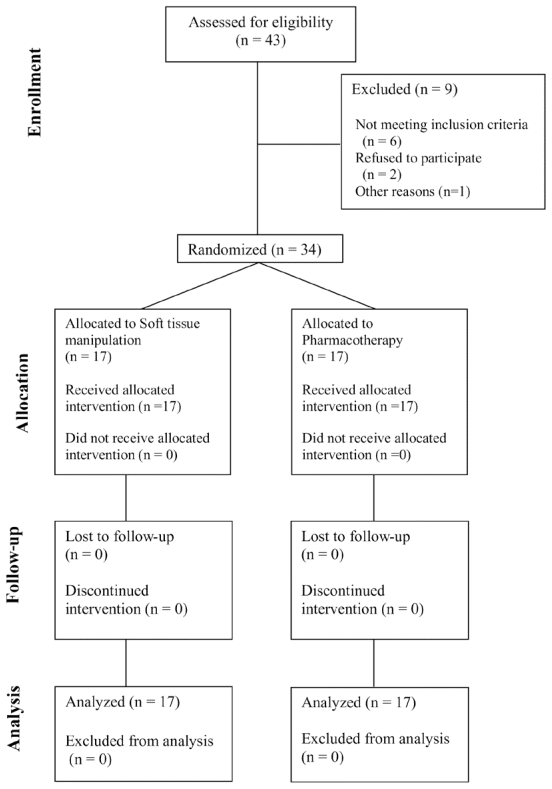
Figure 1 CONSORT flow diagram. CONSORT = Consolidated Standards of Reporting Trials.
Peeyoosha Gurudut, MPT, PhD,1* Zameera Naik, MDS,2 Krupa Metgud, BPT,1 Shrinivas Kottur, BPT,1 Bhavana Kothari, BPT1
1Department of Orthopedic Physiotherapy, KLE Institute of Physiotherapy, Belagavi, Karnataka, India,
2Department of Oral Medicine and Radiology, KLE VK Institute of Dental Sciences, Belagavi, Karnataka, IndiaBackground
Myofascial pain dysfunction syndrome (MPDS) is a common musculoskeletal non-inflammatory disorder affecting the temporomandibular joint (TMJ) characterized by localized pain and restricted mouth opening. Patients with MPDS typically consult a dentist and are prescribed pharmacotherapy, which has associated side effects. Soft tissue manipulation is a safer and effective alternative to pharmacotherapy for MPDS. However, comparative studies are lacking between pharmacotherapy and manual therapy approaches.
Purpose
To determine and compare the effectiveness of soft tissue manipulation versus pharmacotherapy in the management of MPDS affecting TMJ.
Setting
Dental and physiotherapy outpatient department settings of a tertiary care hospital.
Participants
Individuals between 18 and 55 years of age presenting with pain on palpation of TMJ, restricted mouth opening, and intermittent clicking of joints.
Research Design
Single blinded randomized controlled trial.
Intervention
Thirty-four individuals were included and randomized into two groups. Seventeen individuals in the experimental group received soft tissue manipulation techniques such as massage and myofascial release (MFR) for facial muscles. The intervention was given by a qualified and trained physiotherapist who executed five hands-on sessions every other day over 10 days. Seventeen individuals in the control group were prescribed muscle relaxants with analgesics. The referring/consulting dentist prescribed medication for 7 days.
Main Outcome Measures
In both groups, the patients were analyzed pre-and post-intervention using the following outcome measures: Numeric Pain Rating Scale (NPRS), Chronic Graded Pain Version (CGPV) 2.0, maximum mouth opening (MMO), and TMJ Disability Index (TMI).
Results
A statistically significant difference was observed in both groups for pain, CGPV2.0, MMO, and TMI with p = 0.001. An intergroup comparison showed no significant difference between the two groups in terms of pain (p = 0.066); however, a significant difference was noted in CGPV2.0, MMO, and TMI with p = 0.001, with the soft tissue manipulation group being superior to the pharmacotherapy group.
Conclusions
Soft tissue manipulation was more effective in alleviating pain, improving mouth opening, and reducing disability in patients with MPDS of TMJ. Further, pharmacotherapy only showed an effect on pain reduction with no increase in mouth opening.
KEYWORDS: Temporomandibular joint; myofascial pain; mobility; manipulation; soft tissue; massage
Myofascial pain dysfunction syndrome (MPDS) of the temporomandibular joint (TMJ) is a common disorder affecting related fascia, muscles, and soft tissue structures that can lead to pain and dysfunction.(1) MPDS is one of the most common causes of chronic orofacial pain with predominance in women.(1) Chronic MPDS is a musculoskeletal condition characterized by non-inflammatory, hyperirritable palpable bumps in the skeletal muscle fibers. It is linked to discomfort and muscle rigidity.(1,2) The most common finding in temporomandibular disorder (TMD) was the presence of a clicking sound (42.5%), followed by mandibular deviation during mouth opening (40.8%). This was succeeded by internal derangement (36.8%), myofascial pain dysfunction syndrome (33.7%), osteoarthritis (29.5%), crepitus (25.8%), joint tenderness (5.8%), and pain during mouth opening (4.8%).(3)
Though the exact cause of MPDS is still considered to be idiopathic, various causes of MPDS include muscle injury, nerve compression, chronic infection, metabolic or hormonal issues, lack of muscle activity, repetitive motions, intolerance to cold environments, and emotional stress.(4) These predisposing micro/macro traumas cause muscle pain. This further leads to hypertonicity causing muscle fatigue, which results in the accumulation of metabolic products (bradykinin, histamines, prostaglandins, and lactic acid). These products stimulate chemical and mechanical mediators, ultimately resulting in MPDS.(5)
The main clinical presentation of MPDS is the presence of nodules in a tense band of one or more muscles that cause intense irritation, known as myofascial trigger points (TrPs). A TrP is a hyperirritable spot, a palpable nodule in the tense bands within the fascia of skeletal muscles around TMJ (temporalis, masticatory muscles). Other signs and symptoms include headaches, fatigue, stress, sensitivity, earaches, stiffness, soreness, pain in the masticatory muscle, muscle spasm, contractions, reduced jaw movements, joint sounds, joint and muscle tenderness, depression, disturbed sleep, and hypertrophy of the masticatory muscle.(4,5)
MPDS affecting TMJ is usually clinically diagnosed based on the presence of three major signs including pain on palpation, restricted mouth opening, and intermittent clicking of joints. Objective methods of diagnosis include electromyography (EMG) and ultrasound, which are expensive and not readily available at all outpatient departments and clinical setups.(6)
Treatment for TMD is intricate and involves occlusal splint therapy, massage, pharmacotherapy, and exercises designed to weaken certain muscle groups and strengthen others. Most TMD patients who seek assistance believe that the treatment is effective even though it appears challenging; however, a precise diagnosis must be made in order to begin the appropriate treatment protocol.(7)
Patients with MPDS typically see a dentist who prescribes non-steroidal anti-inflammatory drugs (NSAIDs) (ibuprofen, cyclobenzaprine), muscle relaxants, corticosteroids, and antidepressants to control the painful symptoms.(8) When treating TMD pain, medication therapy may help patients manage their symptoms more effectively; yet, the numerous negative side effects of systemic medication may not be tolerated.(9) Non-pharmacological approaches include manual therapy (MT) techniques such as soft tissue manipulation (STM) and mobilizations, which are an effective adjunct to pharmacology with no side effects. They have been shown to alleviate pain, reduce inflammation, restore oral motor function, and increase mobility.(8)
The term STM or massage refers to the methodical movement of the body’s soft tissues for a therapeutic effect, such as enhancing blood flow and muscle relaxation leading to the alleviation of discomfort and recovery of metabolic equilibrium, with additional advantages for the body and mind.(10) Massage therapy increases parasympathetic activity, triggering the relaxation response, which lowers stress and anxiety as measured by autonomic, hormonal, and psychological indicators.(11) Patients who responded to a survey indicated that they found massage to be the most beneficial and often used treatment.(12) MFR is a manual therapeutic technique that involves applying a low-load long-duration stretch to the myofascial complex to regain length, relieve pain, and enhance function.(13) In a previous study, osteopathic MT (MFR, mobilization, craniosacral therapy, and manipulations) was compared with conventional therapy (physical therapy and oral appliance) for TMJ disorder. The results suggested both the groups to be equally effective.(10) Literature search resulted in a case report where a protocol of STM technique was developed and evaluated on its effect on MPDS.(11) Another study compared medication and electrotherapeutic methods, concluding that electrotherapy had no negative effects and was much more effective as a first-line treatment for MPDS, with patients exhibiting better compliance.(14)
There is a paucity of literature involving the comparison between pharmacotherapy and STM. The outcomes of the present comparison will provide evidence on whether massage therapy can be an effective non-pharmacological alternative to medications rather than an adjunct. Hence, the study aims to shed light on the effects of STM and compare it with pharmacotherapy in people with MPDS.
A randomized controlled trial (RCT) was conducted on the patients referred from a dental hospital at Belagavi, India. The study setting was a physiotherapy outpatient department. The present trial was registered in the Clinical Trial Registry of India (CTRI/2024/03/063901). Thirty-four patients aged 18–55 years presenting with MPDS were randomly divided into experimental and control groups with 1:1 block allocation using the lottery method. The study trial has been reported as per the Consolidated Standards of Reporting Trials (CONSORT) guidelines and Template for Intervention Description and Replication (TiDiER) reporting guidelines for controlled trials and interventional studies, respectively.
The ethical status was approved by the institutional ethical committee of the Institute of Physiotherapy. After the ethical clearance, participants who were eligible as per the criteria were enrolled, following which the objective and procedure of the study were explained to every participant. Those consenting to participate were asked to sign an informed consent form. The study was conducted in accordance with the guidelines of the Indian Council of Medical Research (ICMR) and the Declaration of Helsinki for the conduct of trials involving human participants.
The participants were to be in the age group between 18 and 55 years of all genders and were included if they presented with any two of the three signs of MPDS,(14) including (i) pain on palpation of the associated TMJ muscle, (ii) difficulty in mouth opening, (iii) intermittent clicking of joints. Patients with known cases of psychological issues, undergoing orthodontic or dental prosthetic treatment, orthodontic braces, diagnosed cases of oral submucous fibrosis, recent fractures around the facial bones, osteoporosis, oral malignancy, earaches/problems, or undergoing any other form of treatment within the craniofacial, craniomandibular, and/or craniocervical areas were excluded from the study (Figure 1).
|
| ||
|
Figure 1 CONSORT flow diagram. CONSORT = Consolidated Standards of Reporting Trials. | ||
The participants were allocated to two study groups using the lottery method, with 17 participants in each group. The experimental group was treated using STM and MFR techniques. The duration of each therapy session was 25–30 min. Individuals in the control group were given pharmacological therapy as prescribed by the dentist. The intervention was a face-to-face individualized approach applied by a qualified manual therapist.
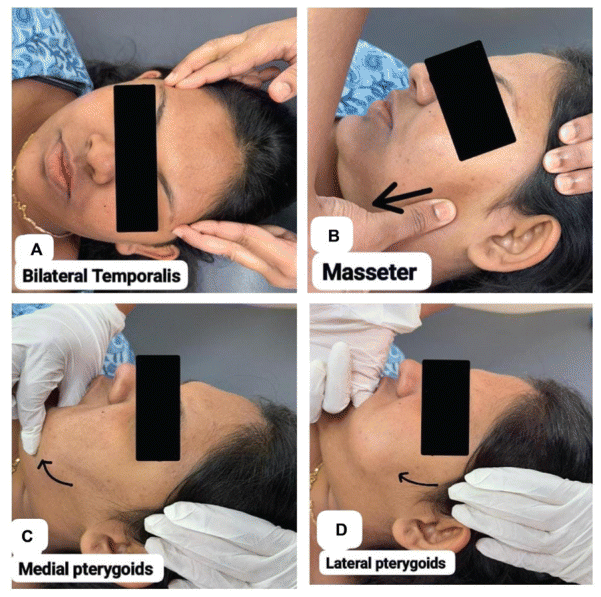
For the MFR application, the participant was in a supine position, with the therapist’s position at the head of the patient. The muscles treated were masseter and temporalis on the affected side. For the masseter muscle, a gross stretch was applied using several fingers of each hand and held for a few seconds until the fingers felt the release and automatically slided further. For the anterior, middle, and posterior fibers of the temporalis muscle, the therapist placed three widely spaced fingers over the superior insertion, and the stretch was applied with the thumb of the other hand proximal to the inferior attachment (Figure 2A–D). The stretch was held for a few seconds till the release was felt and then released. The procedure was repeated 5–7 times for each fiber.(14)
|
| ||
|
Figure 2 A–D: Application of myofascial release technique to perimandibular muscles. | ||
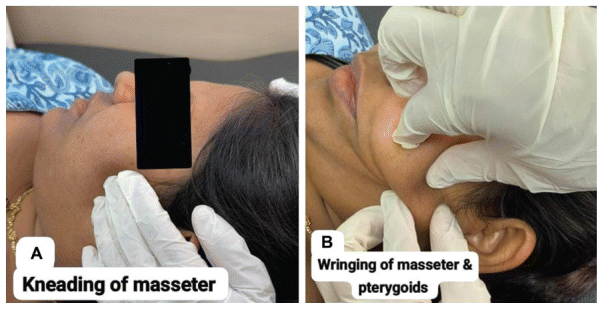
Pertaining to the procedures of STM, a group of techniques such as effleurage, kneading, friction, and petrissage were applied in a sequence to the affected group of muscles by the therapist’s hand. The patient was lying in the supine position, relaxed with eyes closed, and one hand was used to stabilize one side of the face, while STM techniques were performed using three fingers of the other hand, starting with superficial slow stroking (three times), followed by effleurage directed toward the neck (three times) and finger-tip kneading with circular strokes in a counter-clockwise direction. This was followed by petrissage or picking up, and skin and muscle rolling with both hands by lifting the tissue away from the structures, thereby helping to relieve tension and loosen up the muscle fibers (Figure 3A and B). The session ended with the effleurage technique performed with strokes directed from the cheek to neck. Each stroke of massage on soft tissues was repeated five times. The individuals in the group received intervention for five sessions on alternate days over a period of 10 days.(11)
|
| ||
|
Figure 3 A and B: Application of massage to perimandibular muscles. | ||
The participants in the control group were prescribed conventional medications including skeletal muscle relaxants (chlorzoxazone 250 mg) with analgesics (aceclofenac 100 mg) for 7 days twice daily. If needed, antacids were prescribed for participants who complained of gastritis issues. The prescription was given by a qualified dentist.
Pre- and post-intervention analyses of the patients of both groups were done using the following outcome measures: Numeric Pain Rating Scale (NPRS), Chronic Graded Pain Version 2.0 (CGPV 2.0), maximum mouth opening (MMO), and TMJ Disability Index (TDI) scale. After collecting the demographic data from the participants, symptoms, duration of discomfort, and the outcome measures were assessed by a blinded outcome assessor. The pre and post values were taken for data analysis at day 0 before initiating the intervention and on day 10 after the fifth session of treatment. The NPRS and MMO were administered by a blinded physiotherapist, while CGPV 2.0 and TDI scales were administered by a blinded dentist.
The pain intensity was assessed using NPRS, which is a widely accepted tool used for measuring pain intensity in healthcare settings. It consists of a horizontal line with 11 points, ranging from 0 to 10, and can be administered in writing. It is quick, efficient, and accessible to all patients, making it a valuable option for healthcare professionals. The scale has international applicability with proven validity and reliability adding to its usefulness. The 11-point range provides a clear and consistent way to assess pain levels, where 0 represents no pain and 10 indicates as bad as possible.(15)
The MMO is a crucial measurement that determines the widest possible distance between the top and bottom central incisors when the mouth is opened painlessly and as far as possible. By evaluating the normal range of MMO, healthcare professionals can identify any abnormalities in the mouth and jaw and develop targeted treatment plans to address these issues. To measure the MMO, a vernier caliper with 1 mm accuracy was used. The measurement was taken from the maximum interincisal distance to the point where the upper and lower incisors overlap vertically. This method is an effective way to evaluate the stomatognathic system in patients with temporomandibular and neurogenic dysfunctions.(16,17)
The CGPV 2.0 is a comprehensive tool developed to accurately measure the severity of chronic pain that affects an individual’s quality of life. It is specifically designed to measure pain disability, characteristic pain intensity, and pain interference. CGPV 2.0 is a reliable and validated outcome measure consisting of only eight items. It is widely used in general population surveys and care settings to assess chronic pain for anatomically defined pain conditions such as arthritis, back pain, and neuropathic pain. CGPV 2.0 helps healthcare professionals to better understand and manage their patients’ pain, leading to improved treatment outcomes and enhanced quality of life.(18,19)
The TDI assessment is designed to evaluate symptoms associated with TMD and craniofacial pain. A range of symptoms, including pain, perceived malocclusion, joint dysfunction, reduced range of motion, psychological factors, stress, and chronicity, are measured on the scale. The assessment helps to gauge the intensity of overall and individual symptoms, such as self-reported facial, head, and neck pain, changes in symptoms over time, and treatment outcomes. By analyzing these factors, healthcare professionals can determine the likelihood and severity of a TMJ disorder. Scores that surpass the established cut-off points indicate a higher level of dysfunction, disability, and psychological factors.(20,21)
The sample size was calculated using the power analysis with a power of 0.84, an alpha value of 1.96, and an effect size of 0.75 for the pain outcome based on a previous study.(14) Considering an anticipated dropout rate of 5%, the minimum number of subjects required for the study was 17 in each group.
The data were tabulated on Microsoft excel manually and analyzed using SPSS software version 23.0 (IBM Corporation, Armonk, NY, USA). The descriptive and inferential statistical tests were applied for the data analysis. The Shapiro–Wilk test was applied to check if the data were normally distributed. Since the data were normally distributed, parametric tests were applied for test of significance. Paired t-test was applied for intragroup comparison, while independent t-test was applied for intergroup comparisons of outcome variables. A p-value of <0.05 was considered statistically significant.
Thirty-four participants were recruited for the study with 17 in each group. No dropouts or adverse events were reported. The demographic characteristics including gender, occupation, and tobacco chewing distributions as well as the mean age and duration of symptoms are presented in Table 1. The duration of symptoms ranged from 1 week to 1 year.
Table 1 Demographic Distribution and Characteristics of the Study Groups (n = 34)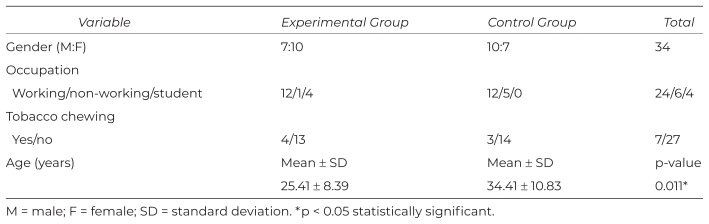
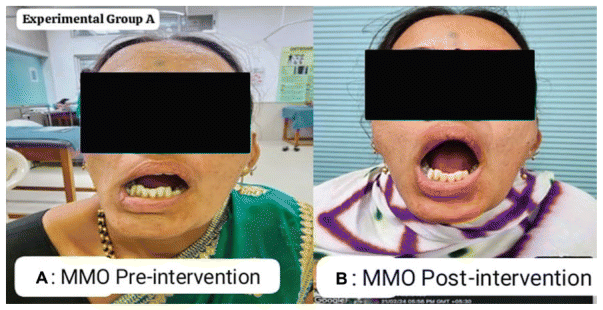
The experimental group showed a statistically significant difference in pain (p = 0.001, % change = 74.44), MMO (p = 0.001, % change = 60.33) (Figure 4A and B), CGPV 2.0 (p = 0.001, % change = 63.50), and TDI (p = 0.001, % change = 77.24) scores at the end of the intervention. The control group showed a statistically significant difference in pain (p = 0.001, % change = 60.50), MMO (p = 0.001, % change = 8.94), CGPV 2.0 (p = 0.001, % change = 37.88), and TDI (p = 0.001, % change = 33.33) scores (Table 2).
|
| ||
|
Figure 4 A and B: Maximum mouth opening (MMO) at pre- and post-intervention in the experimental group. | ||
Table 2 Intragroup Comparisons of Pre-test and Post-test Scores for All Outcomes in the Two Study Groupsa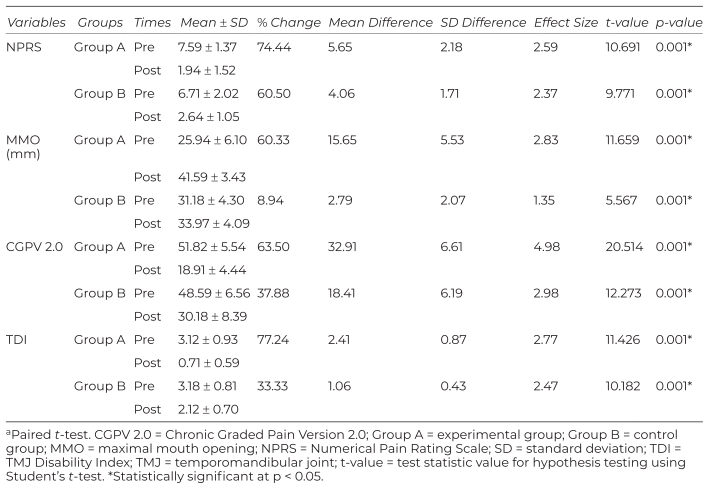
Intergroup comparison using independent t-test for post-test scores showed a significant difference in MMO (p = 0.001), CGPV 2.0 (p = 0.001), and TDI (p = 0.001) between both the groups. However, there was no significant difference noted for NPRS with p = 0.066 (Table 3).
Table 3 Intergroup Comparison of Outcome Measures Using the Independent t-test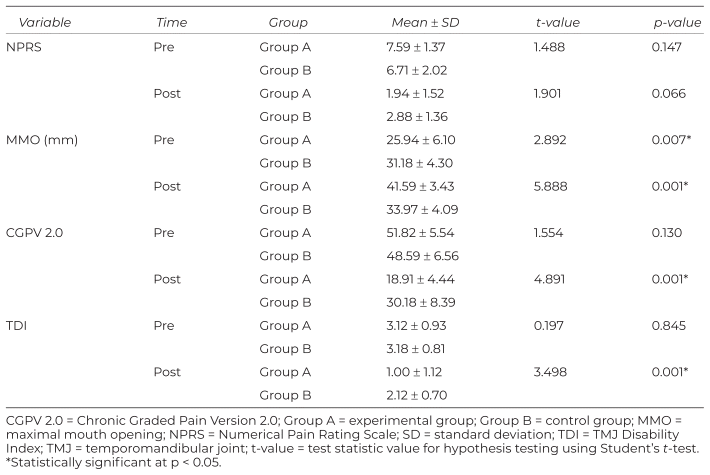
Based on the effect sizes, % change, and independent t-test, it can be inferred that the experimental group was superior to the control group in increasing mouth opening, decreasing disability, and reducing the severity of chronic pain. Though statistically insignificant differences were noted for pain intensity, a trend of significance was seen between groups, with the experimental group being superior to the control group.
The present study compared the effect of five sessions of STM techniques over pharmacological management for individuals with MPDS of TMJ with affected mouth opening, pain, and functions of the jaw. The STM/experimental group demonstrated significant improvements in all outcomes compared to medical management except for the pain intensity outcome, which showed equal effectiveness.
TMDs need a multidisciplinary treatment team, comprising a dentist, a pain physician, a physiotherapist, and a psychologist(22) in the management of patients suffering from TMDs. When it comes to treatment recommendations, the first line of management for TMDs includes MT combined with self-therapy and behavioral therapy advised for patients with MPDS.(22) The literature describes MT procedures, such as intra- and extraoral massage, TrP finger pressure, MFR, and cervical spine and TMJ mobilization, for the treatment of TMD together with a thorough transverse massage. The research found clinical increases in mandibular motions and chewing ability, reduced discomfort, decreased jitters and groaning, and painless mouth opening.(23)
The intervention for MPDS of TMJ in the experimental group improved MMO, reduced pain, and enhanced the quality of life. The main contributing factor for the affected range of motion of TMJ and pain was found to be increased muscle tension.(24) The most likely explanation for the enhanced outcomes with MFR plus massage is the improvement in microcirculation and enhanced extensibility. It has been demonstrated that massage and MFR promote healthy tissue resonance, significantly increase blood flow, and decrease tissue thickness, which may have contributed to the relaxation of the local masticatory muscles.(11,25) In addition, MFR plus massage has shown to reduce tension at the joints and muscles and enhance metabolite and oxygen exchange at the tissue level. This promotes tissue healing by improving fibroblastic activity, which enhances tissue function and extends a range of motion. MFR and massage act at the cellular level, causing the fascia to become more flexible and elongated, allowing the tendon and fascia to move.(26,27)
The effective pain relief with massage and MFR in the present study can be attributed to pain modulation mechanisms described by the pain gate and descending pain inhibition theories. The low-threshold Aβ fiber route may be activated by MT pain modulation, which would have an analgesic effect. This prevents the occurrence of Aδ and C supply fiber nociceptive impulses.(28,29) Moreover, MT has the ability to generate affective reactions that activate dopamine, oxytocin, and opioid pathways.(30,31) Given that TMDs affect the masticatory muscles, the TMJ, and associated structures,(30) it has been proposed that MT applied to these craniomandibular structures improves pain perception.(31) The available data support the use of MT for pain management in TMD patients.
Similar outcomes were noted in the previous studies where MT techniques were assessed for their efficacy in TMJ disorders. The effectiveness of MT and self-therapy therapies as analgesics and myorelaxants in female patients with TMDs was assessed in this study. The diagnostic portion of the study showed that the masseter muscle’s mean surface EMG values are higher in TMD participants both at rest and during exercise. Hence, the masseter muscle’s enhanced bioelectrical activity affects how mandibular MMO ranges and lateral mandibular motions are restricted. The authors concluded that individuals with myogenic TMDs benefit from soft tissue manual treatment, and therapeutic exercise with massage has been shown to have greater analgesic effects than post-isometric relaxation.(32) An ultrasonography investigation of the masseter muscle features was carried out by Ariji et al. as an indicator to evaluate the efficacy of massage therapy. Following the massage, there was a notable reduction in the affected side’s muscle thickness, an 85% decrease in anechoic regions, and a corresponding decrease in pain intensity. Their research suggests that the therapeutic effectiveness for muscle discomfort may be correlated with the masseter muscle’s thickness and the existence of anechoic zones.(33) Soft tissue therapies applied to the masticatory muscles are even more effective than controls but as effective as botulinum toxin injections, according to Calixtre et al.’s systematic evaluation of RCTs regarding studies on the effectiveness of MT in patients with TMDs.(34)
The current study results also showed beneficial effects of medications prescribed in terms of all outcome parameters including pain relief, improved functions, and better mouth opening. The musculoskeletal system is particularly susceptible to painful conditions that can be effectively treated with NSAIDs. Medication prescribed for TMD includes a variety of pharmacological agents such as NSAIDs, opioids, corticosteroids, muscle relaxants, antidepressants, anticonvulsants, and benzodiazepines, which are commonly used to manage TMD-related pain.(35) Self-medication is prevalent among TMD patients, with a high percentage resorting to unprescribed drugs, mainly analgesics, due to constant pain and decreased quality of life.(36) Studies have shown that oral NSAIDs are effective in controlling joint and muscle pain in TMD patients, leading to pain improvement in those treated with NSAIDs.(37) NSAIDs were used in the present study for the analgesic effect rather than the anti-inflammatory effect considering the non-inflammatory condition being studied.
In order to alleviate heightened muscle activity, patients with chronic orofacial pain are often prescribed muscle relaxants to reduce skeletal muscle tension. The main mechanism by which these drugs reduce muscle tone without impairing motor function is by inhibiting central polysynaptic reflexes. Conclusions regarding the treatment of TMD with pharmacotherapy are difficult to draw because the literature is scarce and frequently includes patients from diverse populations.(38) This is especially true for patients who experience myofascial pain. There is no set recommendation for the length of treatment; research findings vary on this point.(39)
In comparison between STM and pharmacotherapy, the study results demonstrated STM to be superior to medical management for all outcomes except for pain intensity, which showed a statistically insignificant difference though the trend of significance was toward STM being superior to pharmacotherapy. The current study emphasizes how MT on soft tissue and myofascial tissue helps patients with myofascial pain by lowering pain, reducing muscle tenderness, and improving mouth opening. The pharmacological approach mainly includes muscle relaxants and analgesics, the effects of which are short-lived. They are also associated with side effects such as gastritis and diarrhea, along with limitations involved to be prescribed in a few conditions such as hypertension and kidney dysfunction. These can be avoided with the application of non-pharmacological approaches with no side effects. The interactions between the autonomic nervous system, neuroendocrine secretions, and the peripheral and central neurological systems result in a number of effects of massage.(40) These effects are a result of a confluence of mechanical, neurological, chemical, and psychological elements rather than a direct correlation.(41) To be more precise, massage has two different physiological effects: reflex and mechanical. Physical pressure, movement, and manipulation of the soft tissue can have direct, frequently localized impacts on it. Modifications to the neurological system that cause the body to produce chemicals are known as reflex effects. Because massage releases dopamine and serotonin naturally, it alters the chemistry of the brain, which aids in relaxation. Additionally, it has the advantage of a positive touch with similar effects to those of opioids. Pressure receptors are stimulated by massage, which aids in the activation of parasympathetic vagal pathways. Vagal activation is linked to reduced anxiety and improved sleep.(42)
A previous study compared pharmacological management of TMD with a physiotherapeutic approach. The authors concluded that when treating patients with persistent musculoskeletal pain, it is advisable to select a safer therapeutic option due to the negative effects of long-term usage of various NSAIDs. The benefits of physiotherapy that the current study found were improved patient compliance, fewer adverse effects, longer-term outcomes, and cost-effectiveness.(12) Similar to the findings of the present study, massage therapy had better outcomes with no side effects and better compliance. Hence, the study accepts the alternative hypothesis proving that massage or STM is effective over medications in treating MPDS of TMJ.
Since the research only lasted for 2 weeks, the protocol’s differences in the long-term gains were not investigated through long-term follow-up. EMG activity was not analyzed due to the higher costs involved for the procedure. The duration of MPDS ranged from weeks to months, which was a wider range. A few patients who had recurring MPDS were not separately analyzed due to a smaller number of such patients. NSAIDs were the choice of medications, which aimed for an analgesic effect rather than an anti-inflammatory effect in the present study. The distribution of participants was not gender-matched, resulting in an imbalance in gender distribution between the two study groups.
In conclusion, STM, including massage and MFR of TMJ muscles, in patients with MPDS was superior to pharmacotherapy in the mitigation of pain and improved mouth opening, mobility, and functions. Hence, massage and MFR are an effective and safer alternative to medications. Overall, safer non-pharmacological approaches such as massage and MFR for the management of TMD should be prioritized by the healthcare providers over medications, which offer only temporary improvements and are associated with side effects. However, the long-term effects of STM need to be explored with follow-up studies to understand their recurrence and carry-over effects.
The authors acknowledge the contribution of the statistician to data analysis and support of the technical staff of VK Institute of Dental Sciences for their help in completing the study.
The authors declare that there are no conflicts of interest.
No sources of funding were used in this study.
1. Mortazavi H, Javadzadeh A, Delavarian Z, Zare Mahmoodabadi R. Myofascial pain dysfunction syndrome (MPDS). Iran J Otorhinolaryngol. 2010;22(4):131–136.
2. Saxena A, Chansoria M, Tomar G, Kumar A. Myofascial pain syndrome: an overview. J Pain Palliat Care Pharmacother. 2015;29(1):16–21. https://doi.org/10.3109/15360288.2014.997853
Crossref PubMed
3. Chaurasia A, Ishrat S, Katheriya G, Chaudhary PK, Dhingra K, Nagar A. Temporomandibular disorders in North Indian population visiting a tertiary care dental hospital. Natl J Maxillofac Surg. 2020;11(1):106–109. https://doi.org/10.4103/njms.NJMS_73_17
Crossref PubMed PMC
4. Garg AK, Jain S, Gupta S, Gupta V. Myofascial pain dysfunction syndrome: an overview. Pain. 2013;2:3.
5. Kuć J, Szarejko KD, Gołębiewska M. Evaluation of soft tissue mobilization in patients with temporomandibular disorder-myofascial pain with referral. Int J Environ Res Public Health. 2020;17(24):9576. https://doi.org/10.3390/ijerph17249576
Crossref
6. Biasotto-Gonzalez DA, Bérzin F. Electromyographic study of patients with masticatory muscles disorders, physiotherapeutic treatment (massage). Braz J Oral Sci. 2004;3(10):516–521.
7. Wieckiewicz M, Boening K, Wiland P, Shiau YY, Paradowska-Stolarz A. Reported concepts for the treatment modalities and pain management of temporomandibular disorders. J Headache Pain. 2015;16:106. https://doi.org/10.1186/s10194-015-0586-5
Crossref PubMed PMC
8. Nirupama S, Nishmitha JS, Rashmi PV. Myofascial pain dysfunction syndrome: a Review. ARC J Dent Sci. 2018;3:1–4.
9. Celakil T, Muric A, Gökcen Roehlig B, Evlioglu G. Management of pain in TMD patients: bio-oxidative ozone therapy versus occlusal splints. Cranio. 2019;37(2):85–93. https://doi.org/10.1080/0886963.2017.1389506
Crossref
10. Cuccia AM, Caradonna C, Annunziata V, Caradonna D. Osteopathic manual therapy versus conventional conservative therapy in the treatment of temporomandibular disorders: a randomized controlled trial. J Bodyw Mov Ther. 2010;14(2):179–184. https://doi.org/10.1016/j.jbmt.2009.08.002
Crossref PubMed
11. Eisensmith LP. Massage therapy decreases frequency and intensity of symptoms related to temporomandibular joint syndrome in one case study. J Bodyw Mov Ther. 2007;11(3):223–230.
Crossref
12. DeBar LL, Vuckovic N, Schneider J, Ritenbaugh C. Use of complementary and alternative medicine for temporomandibular disorders. J Orofac Pain. 2003;17(3):224–236.
PubMed
13. Barnes JF. Myofascial Release: The Search for Excellence. 10th ed. Paoli, PA: Rehabilitation Services Inc; 1990.
14. Naikmasur VG, Guttal KS, Bhargava P, Bathi RJ. Comparative evaluation of physiotherapy and pharmacotherapy in the management of temporomandibular joint myofascial pain. Physiother Occup Therapy. 2009;3(1):27.
15. Kahl C, Cleland JA. Visual analogue scale, numeric pain rating scale and the McGill pain Questionnaire: an overview of psychometric properties. Phys Therapy Rev. 2005;10(2):123–128.
Crossref
16. Khare N, Patil SB, Kale SM, Sumeet J, Sonali I, Sumeet B. Normal mouth opening in an adult Indian population. J Maxillofac Oral Surg. 2012;11(3):309–313. https://doi.org/10.1007/s12663-012-0334-1
Crossref PMC
17. Al-Dlaigan YH, Asiry MA. Maximum mouth opening in Saudi adolescents. J Int Oral Health. 2014;6(6):45–49.
18. Sharma S, Kallen MA, Ohrbach R. Graded chronic pain scale: validation of 1-month reference frame. Clin J Pain. 2021;38(2):119–131. https://doi.org/10.1097/AJP.0000000000001005
Crossref PubMed PMC
19. Aub C, Gordon KS, Goulet J, Lee A, Mayhew M, Von Korff M, et al. Graded chronic pain scale revised: validation in a Veteran sample. Pain Med. 2023;24(10):1169–1175. https://doi.org/10.1093/pm/pnad068
Crossref
20. Fisch G, Finke A, Ragonese J, Dugas L, Wrzosek M. Outcomes of physical therapy in patients with temporomandibular disorder: a retrospective review. Br J Oral Maxillofac Surg. 2021;59(2):145–150. https://doi.org/10.1016/j.bjoms.2020.08.068
Crossref
21. Dworkin SF. Research diagnostic criteria for temporomandibular disorders: current status & future relevance. J Oral Rehabil. 2010;37(10):734–743. https://doi.org/10.1111/j.1365-2842.2010.02090.x
Crossref PubMed
22. Penlington C, Bowes C, Taylor G, Otemade AA, Waterhouse P, Durham J, et al. Psychological therapies for temporomandibular disorders (TMDs). Cochrane Database Syst Rev. 2022 Aug;8(8):CD013515. https://doi.org/10.1002/14651858.CD013515.pub2
PubMed PMC
23. Lucena LD, Nascimento CM, Asano NM, Coriolano MD, Lins CC. Manual therapy for temporomandibular disorder in older adults: an integrative literature review. Revista CEFAC. 2022;24(1):e9721.
24. Yu CH, Qian HX, Sun J. Comparison of immediate response to four conservative treatment modalities for management of masticatory myalgia with limited mandibular movement: a retrospective study. Quintessence Int. 2020;51(9):753–762. https://doi.org/10.3290/j.qi.a45102
PubMed
25. Capellini VK, de Souza GS, de Faria CR. Massage therapy in the management of myogenic TMD: a pilot study. J Appl Oral Sci. 2006;14(1):21–26. https://doi.org/10.1590/s1678-77572006000100005
Crossref PubMed PMC
26. Werenski J. The effectiveness of myofascial release technique in the treatment of Myofascial pain. Lit Rev. 2011;32:440–450.
27. Trivedi P, Bhatt P, Dhanakotti S, Nambi G. Comparison of muscle energy technique and myofascial release technique on pain and range of motion in patients with temporomandibular joint dysfunction: a randomized controlled study. Int J Physiother Res. 2016;4(6):1788–1792.
Crossref
28. Geri T, Viceconti A, Minacci M, Testa M, Rossettini G. Manual therapy: exploiting the role of human touch. Musculoskelet Sci Pract. 2019;44:102044. https://doi.org/10.1016/j.msksp.2019.07.008
Crossref PubMed
29. Gyer G, Michael J, Inklebarger J, Tedla JS. Spinal manipulation therapy: is it all about the brain? A current review of the neurophysiological effects of manipulation. J Integr Med. 2019;17(5):328–337. https://doi.org/10.1016/j.joim.2019.05.004
Crossref PubMed
30. American Academy of Orofacial Pain. Orofacial Pain: Guidelines for Assessment, Diagnosis, and Management. Quintessence Publishing (IL); 2013.
31. Dworkin RH, Turk DC, Farrar JT, Haythornthwaite JA, Jensen MP, Katz NP, et al. Core outcome measures for chronic pain clinical trials: IMMPACT recommendations. Pain. 2005;113(1–2):9–19. https://doi.org/10.1016/j.pain.2004.09.012
Crossref
32. Gębska M, Dalewski B, Pałka Ł, Kołodziej Ł. Evaluation of the efficacy of manual soft tissue therapy and therapeutic exercises in patients with pain and limited mobility TMJ: a randomized control trial (RCT). Head Face Med. 2023;19(1):42. https://doi.org/10.1186/s13005-023-00385-y
Crossref PMC
33. Ariji Y, Katsumata A, Hiraiwa Y, Izumi M, Sakuma S, Shimizu M, et al. Masseter muscle sonographic features as indices for evaluating efficacy of massage treatment. Oral Surg Oral Med Oral Pathol Oral Radiol Endod. 2010;110(4):517–526. https://doi.org/10.1016/j.tripleo.2010.05.003
Crossref PubMed
34. Calixtre LB, Moreira RF, Franchini GH, Alburquerque-Sendín F, Oliveira AB. Manual therapy for the management of pain and limited range of motion in subjects with signs and symptoms of temporomandibular disorder: a systematic review of randomised controlled trials. J Oral Rehabil. 2015;42(11):847–861. https://doi.org/10.1111/joor.12321
Crossref PubMed
35. Ouanounou A, Goldberg M, Haas DA. Pharmacotherapy in temporomandibular disorders: a review. J Can Dent Assoc. 2017;83:h7.
36. Dias IM, Guedes LA, de Felipe Cordeiro PC, Leite IC, Leite FP. Self-medication in patients with temporomandibular disorders. Braz Dent Sci. 2014;17(4):82–89.
Crossref
37. Montinaro F, Nucci L, d’Apuzzo F, Perillo L, Chiarenza MC, Grassia V. Oral nonsteroidal anti-inflammatory drugs as treatment of joint and muscle pain in temporomandibular disorders: a systematic review. Cranio. 2024;42:641–650. https://doi.org/10.1080/08869634.2022.2031688
Crossref
38. Dionne RA. Pharmacologic treatments for temporomandibular disorders. Oral Surg Oral Med Oral Pathol Oral Radiol Endod. 1997;83(1):134–142. https://doi.org/10.1016/s1079-2104(97)90104-9
Crossref PubMed
39. Wright EF, North SL. Management and treatment of temporomandibular disorders: a clinical perspective. J Man Manip Ther. 2009;17(4):247–254. https://doi.org/10.1179/106698109791352184
Crossref
40. Miernik M, Wieckiewicz M, Paradowska A, Wieckiewicz W. Massage therapy in myofascial TMD pain management. Adv Clin Exp Med. 2012;21(5):681 –685.
41. Crawford C, Boyd C, Paat CF, Price A, Xenakis L, Yang E, et al. The impact of massage therapy on function in pain populations-a systematic review and meta-analysis of randomized controlled trials: part I, patients experiencing pain in the general population. Pain Med. 2016;17(7):1353–1375. https://doi.org/10.1093/pm/pnw099
Crossref PubMed PMC
42. Field T. Massage therapy research review. Complement Ther Clin Pract. 2016;24:19–31. https://doi.org/10.1016/j.ctcp.2016.04.005
Crossref PubMed PMC
Corresponding author: Peeyoosha Gurudut, Department of Orthopedic Physiotherapy, KLE Institute of Physiotherapy, Nehru Nagar, Belagavi 590010, Karnataka, India, E-mail: peeoo123@yahoo.com
COPYRIGHT
Published under the CreativeCommons Attribution-NonCommercial-NoDerivs 3.0 License.
International Journal of Therapeutic Massage and Bodywork, Volume 18, Number 4, December 2025