Sarah Fogarty, PhD,1* Phillipa Hay, PhD,1,2,3 Kathleen Baird, PhD4
1School of Medicine, Western Sydney University, Penrith, NSW 2751, Australia,
2Translational Health Research Institute, Western Sydney University, Penrith, NSW 2751, Australia,
3Mental Health Services, SWSLHD, Campbelltown Hospital, NSW, Australia,
4School of Nursing and Midwifery, Faculty of Health, University of Technology Sydney, Broadway, NSW 2007, Australia
The objective of this study is to investigate massage therapists’ knowledge, confidence, and awareness of domestic and family violence (DFV) in clinical practice. An online questionnaire methodology was used to collect data from Australian massage therapists who were 18 years or over. The study was open for participation for 6 months. The authors developed the questionnaire based on a previous massage therapy profession questionnaire; it included 64 questions in three sections. Two hundred and seventeen respondents formed the dataset. This study found respondents with prior experience of DFV were significantly more likely to have undertaken DFV training than respondents with no prior experience of DFV (p = 0.004). Almost two-thirds of respondents either strongly agreed or agreed that they would like some training to better understand DFV (n = 142, 65.4%) and to better understand their responsibilities around DFV (n = 149, 68.7%). Over half of the respondents were somewhat or very confident they would recognize the signs and symptoms of DFV (n = 126, 58.3%). Over half of respondents (n = 119, 54.8%) felt somewhat knowledgeable about DFV. The main theme from the qualitative analysis was absent resources. The subthemes were (i) without training I cannot help, (ii) prepare me, train me early, and (iii) support me with resources. This study concluded that there is a lack of resources and a deficiency in skills and knowledge among massage therapists to recognize and respond appropriately to domestic violence in clinic. Respondents indicated a desire to learn more about DFV in their practices as they deemed that without training, education, and resources they cannot provide the best of care for their clients.
KEYWORDS: Massage; domestic violence; domestic and family violence; massage education
Domestic and family violence (DFV) is “any violent, threatening, coercive, or controlling behavior that occurs in current or past family, domestic or intimate relationships that causes the person experiencing the behavior to feel fear”.(1,2) In Australia, an estimated 8 million people (41%) aged 18 years and over have experienced violence (physical and/or sexual) since the age of 15.(3) The context for DVF is different between men and women with women being three times more likely to experience violence from an intimate partner (23% (2.3 million) compared to 7.3% (692, 000)),(3) and on average, one woman a week is murdered by their intimate partner.(4,5) Women are highly represented as massage consumers.(6–8) Sohnen-Moe and Benjamin maintain a massage “practitioner could generally expect that approximately one in five clients will likely be a survivor of sexual abuse” (p. 295).(9) The massage therapist’s treatment space is a place where practitioners are “likely, at some point, to come into contact with a client who either is or has been subjected to domestic violence” (p. 2).(10) This is because several health-care providers suggest that individuals who have experienced DFV may use massage or body-oriented therapies as a means of healing.(10–15) Additionally, those experiencing DFV may seek massage therapy to alleviate both psychological and physical distress.(16)
Individuals with a history of DFV often experience mental and or physical issues including chronic pain, chronic anxiety, depression, insomnia, and physical tension or pain,(11,17–19) all of which may precipitate the visit to a massage therapist. Potential massage or body-oriented therapy benef its for individuals who have experienced DFV include improved mood, enhanced psychological health, reduced post-traumatic stress, lowered anxiety, decreased life stress, increased sense of safety, and reduced chronic pain symptoms.(12,20,21) While there are potential health and emotional benefits from massage therapy for individuals who have experienced DFV, there are also a number of concerns about the potential harm that could be caused by massage therapists in such cases. A small study by Hixon found that 70% of the respondents (n = 10) had been triggered or experienced memories of abuse during a massage session (massage was used as part of their healing journey from DFV).(11) Sixty percent of participants had some safety concerns during their massage (n = 6) and 30% of participants felt unsafe during a massage (n = 3); however, it was unclear whether they felt emotionally and or physically unsafe.(11) Experiencing emotional distress while receiving massage therapy was not uncommon (n = 7, 70%) either due to the effects of their own trauma and/or their interactions with the massage therapist.(11) These concerns highlight the importance of the therapeutic environment and the need for DFV-specific education for therapists.(11,12,15,22)
A lack of massage training about DFV and the need for greater education has been acknowledged since early this century(11,19) with Hixon stating that despite the prevalence of DFV, “massage therapists have yet to be included in a formal training process involving education or protocols for working with abuse survivors” (p. 2).(11) Given the high rates of DFV and the potential for harm to occur to individuals who have experienced DFV during a massage treatment consultation, it is important to explore what knowledge, awareness, and training massage therapists have about DFV. Therefore, the objective of this research was to investigate massage therapists’ knowledge, confidence, and awareness of DFV in clinical practice.
The study used an online questionnaire-based survey methodology. The methodology for this research project has been described in another publication using the same dataset.(23) The dataset was separated for analysis due to the large amount of data collected. The study was approved by the Western Sydney University Human Ethics Committee (approval number H14636) on 22 November 2021. Respondents were not paid or incentivized for participation.
Massage therapists over 18 years of age, who were currently practicing or had recently ceased practicing in Australia, and who were able to read and understand English were recruited using convenience sampling.(24)
The recruitment involved an email invitation from the Association of Massage Therapists (AMT) in Australia (approximately 3,200 therapists) and massage organizations social media posts (with approximately 14,797 followers). The online questionnaire-based survey was hosted on the Qualtrics online survey platform and was open for participation for 6 months from March 15 to September 15, 2022. Massage therapists who responded within the time frame became the sample. Consent was implied by participants by undertaking the online questionnaire-based survey.
A survey was developed to ascertain massage therapists’ knowledge and confidence to recognize, respond, and refer in situations involving DFV in clinical practice.(23) Demographic questions were informed by a previous questionnaire of the massage therapy profession.(25) Tripartite scales (such as yes, unsure, no), rating scales, multiple-choice questions, and open-ended questions comprised the survey questionnaire options. The final survey included 64 questions in three sections (1) Demographics, (2) Recognize family and domestic violence, and (3) Respond to domestic and family violence (with four subsections: (i) disclosures, (ii) referrals, (iii) further education, and (iv) final comments). This article concentrates on the responses from section 2 and section 3 subsections iii and iv.
Data were removed for participants who did not consent, did not provide any data (missing responses), and participants who did not answer any of the domestic violence questions. Descriptive statistics of demographic information are presented as means and standard deviations (SDs) for continuous data. Discrete data were analyzed using “frequency distributions (percentages). Chi-square tests of independence were used to test frequency of distribution of dependent variables (the agreement with statements) with the independent variable (personal experience of family and domestic violence). A Fisher’s exact test was used where there were cells with values less than 5. The threshold for significance was p ≤ 0.05”.(23) A post hoc test for each subset of possible paired comparisons was undertaken, including a Bonferroni’s correction for those variables with significant differences to reduce the chance of a type I error occurring.(26) Data analysis was undertaken using SPSS.(27) “The open-ended questions were analyzed using inductive content analysis. The first author (SF) read the data and created codes directly from the open-ended survey responses. The codes were then condensed into meaningful categories and themes”.(28)
There were 217 respondents for whom their data were included after removing data that did not meet the inclusion criteria (n = 2) and where only the demographic information was completed (n = 19). Almost half of the respondents (n = 104; 49.5%) had a prior experience of DFV.
For full demographic results, see Fogarty et al.(23) In summary, over 80% of respondents identified as female (>80%) with almost three quarters living in the eastern mainland states (New South Wales: n = 92, 42.4%; Queensland: n = 44, 20.3%; and Victoria: n = 26, 12%). Respondents had a mean age of 48 years (SD 12.4). Over three quarters had a diploma qualification in massage (n = 165, 76.0%) and were members of AMT (n = 188, 86.6%) Respondents who identified as female were significantly more likely to have had a prior experience of DFV and respondents that identified as male were significantly less likely to have a prior experience of DFV (p = 0.049). The mean time in active practice was over 10 years (mean 10.8 years; SD 8.7). The majority of respondents worked in an urban location (n = 145, 66.8%), were self-employed (n = 170, 78.3%) and identified as sole practitioners (n = 139, 64.1%).(23)
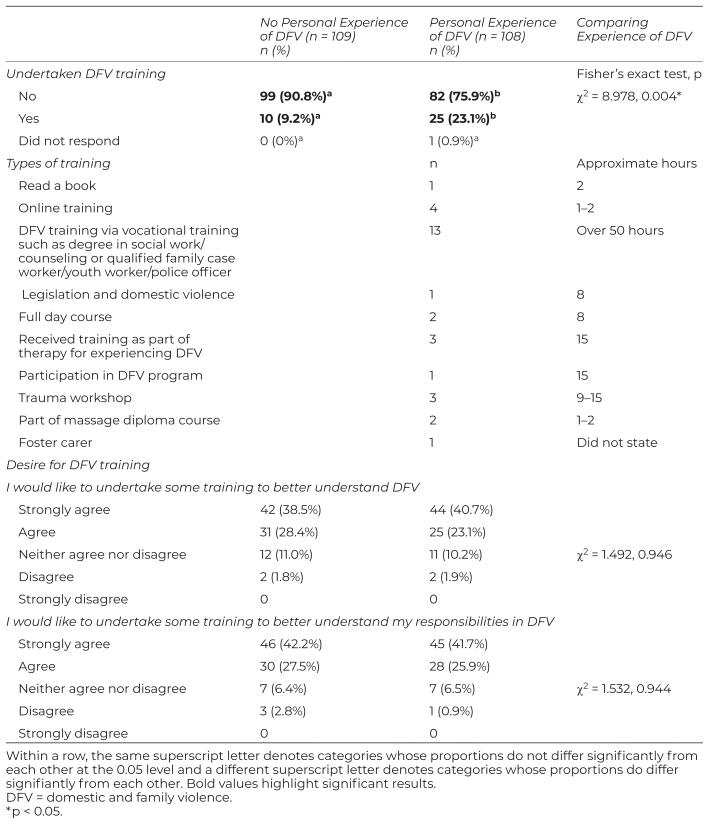
Undertaken training (Table 1): The proportion of respondents who had undertaken DFV training was low (n = 35, 16.1%) with very few receiving this training as a part of their massage-context-specific education (n = 2). Respondents with prior experience of DFV were significantly more likely to have undertaken DFV training than respondents with no prior experience of DFV (p = 0.004).
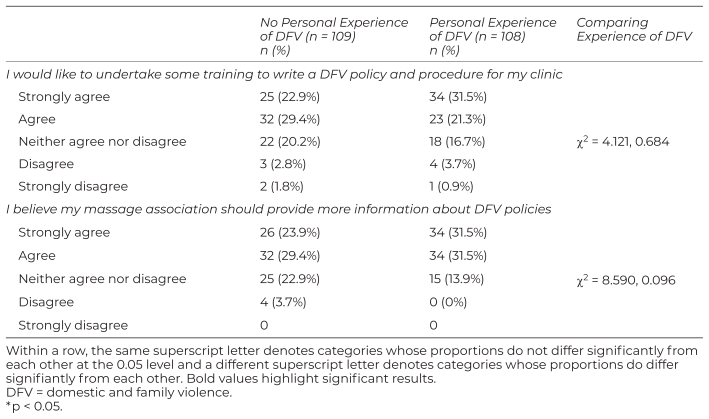
Table 1 Undertaken DFV Training and Desire for DFV Training
Respondents’ desire for DFV training was not associated with prior experience of DFV. Almost two-thirds of respondents either strongly agreed or agreed that they would like some training to better understand DFV (n = 142, 65.4%) and just over two-thirds of respondents either strongly agreed or agreed that they would like some training to better understand their responsibilities around DFV (n = 149, 68.7%).
Confidence and knowledge (Table 2): Over half of the respondents were somewhat or very confident they would recognize the signs and symptoms of DFV (n = 126, 58.3%) and just over two fifth the signs and symptoms of child abuse (n = 95, 42.8%). Over half of the respondents (n = 119, 54.8%) felt somewhat knowledgeable about DFV. Significantly more respondents who had a prior experience of DFV were very confident that they would recognize the signs and symptoms of DFV (p = 0.17), and in their knowledge of DFV (p < 0.001) than respondents with no prior experience of DFV. Confidence to recognize the signs and symptoms of child abuse was not associated with the experience of DFV.
Table 2 Confidence and Knowledge About the Signs and Symptoms of DFV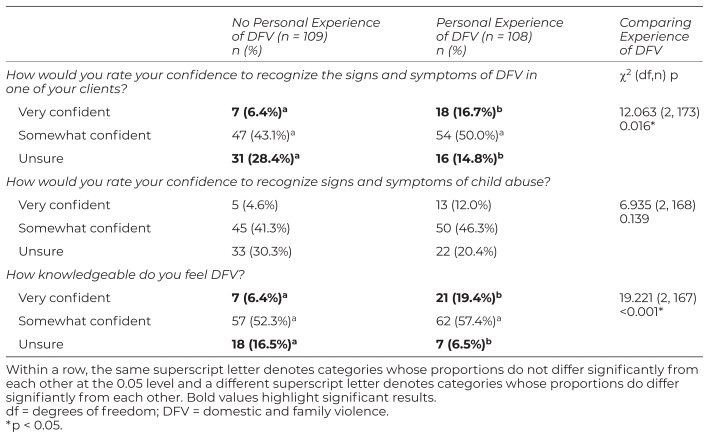
Significantly more respondents with a prior experience of DFV were extremely aware of emotional control/violence (p = 0.004) and financial abuse (p = 0.036) as types of abuse compared to respondents with no personal experience of DFV. Significantly more respondents who had no prior experience of DFV were not aware of image-based abuse (p = 0.031) as a type of abuse compared to respondents with a prior experience of abuse.
Table 3 Awareness of Type of Abuse and Risk for Experience DFV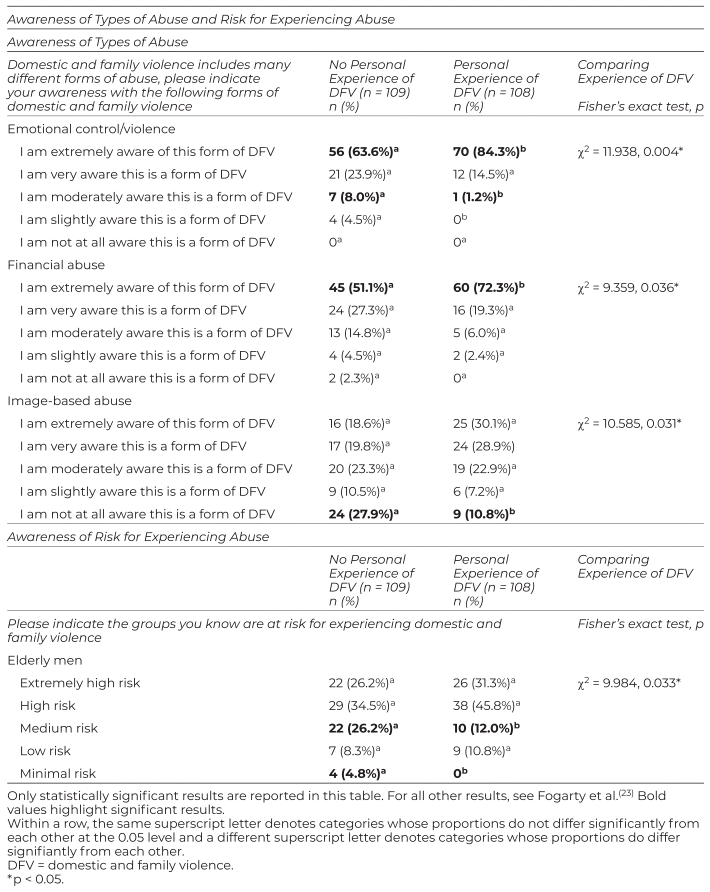
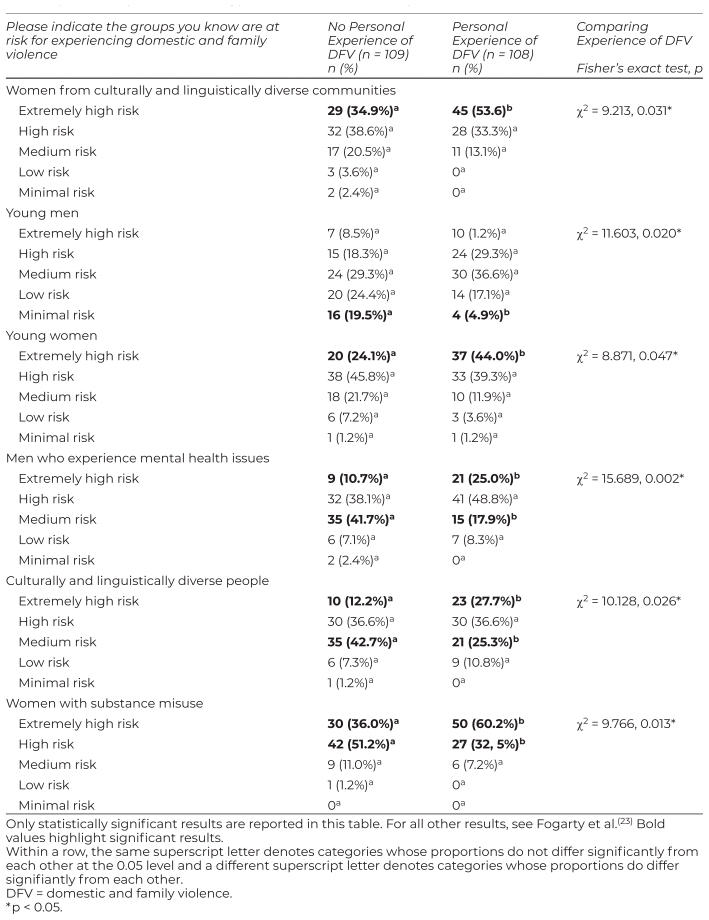
Significantly more respondents with a prior experience of DFV ranked women from culturally and linguistically diverse communities (p = 0.031), young women (p = 0.047), and individuals from culturally and linguistically diverse communities (p = 0.026) at a higher risk of DFV than respondents with no prior experience of DFV. Significantly more respondents with no prior experience of DFV ranked elderly (p = 0.033) and young (p = 0.020) men at lower risk of DFV than respondents with a prior experience of DFV.
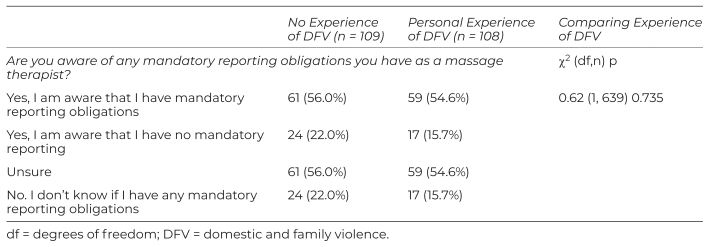
Legal requirements (Table 4): Being aware of mandatory reporting obligations was not associated with prior personal experience of DFV.
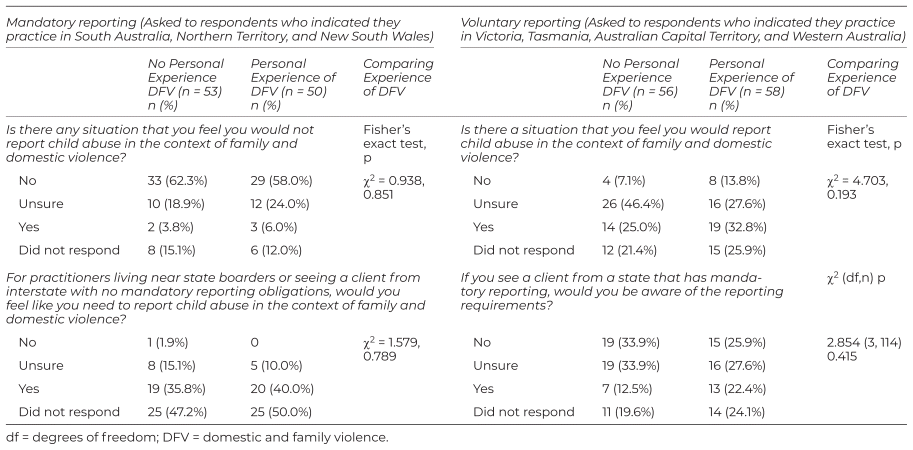
The responses to mandatory DFV reporting were not associated with prior experience of DFV. Three states or territories in Australia (South Australia, Northern Territory, and New South Wales) have mandatory reporting of child abuse (including witnessing DFV) for massage therapists. Under half the respondents were aware of specific instances where they would be required to report (n = 48, 46.6%), a third of respondents understood the process of reporting (n = 34, 33.0%), and over 50% of respondents felt comfortable reporting report child abuse (n = 56, 54.4%). For massage therapists practicing in clinics close to state borders or interstate who treat clients where there are no mandatory reporting obligations, over a third would feel the need to report child abuse in the context of DFV (n = 39, 37.9%). Less than 5% of respondents felt they would not report, despite it being mandatory (n = 5, 4.9) due to being unsure if DFV was occurring, not knowing who to speak to, or fearing for their own safety or the safety of the victim.
The responses associated with voluntary reporting of DFV were significantly associated with prior experience of DFV. Four states or territories in Australia (Victoria, Tasmania, Australian Capital Territory, and Western Australia) do not have mandatory reporting of child abuse for massage therapists. Over two fifths of respondents were not aware of whether (and what) consent was required from clients if they decided to voluntarily report child abuse in the context of DFV (n = 50, 43.9%), although 42.1% (n = 42) were aware of the process involved. An openended question asked respondents under what circumstances they would report child abuse in the context of DFV. Responses included situations where they observed physical traces of abuse or evidence of emotional trauma in a child, being confident that abuse was occurring, having the latest and accurate information for reporting, or believing the child was in danger.
An open-ended question asked respondents if they had any additional thoughts about massage therapy and DFV. The main theme from the analysis of responses to this open-ended question related to knowledge and training was absent resources. The subthemes were (i) without training I cannot help, (ii) prepare me, train me early, and (iii) support me with resources.
This theme illustrates the void of training and knowledge for massage therapists regarding DFV especially in their practices. Massage therapists are not generally provided any education about DFV within the context of clinical massage care and respondents expressed that without training, education, and resources they cannot provide the best care for their clients.
Respondents felt that “as massage therapists we are in a unique position to recognise and support victims of domestic abuse” (Respondent 156, no personal experience of DFV); however, they felt under-resourced to do this and identified a lack of training in recognizing and/or responding to DFV. This lack of training had impacts across all aspects of DFV including recognizing DFV and knowing the best practice processes and procedures if DFV was disclosed or reported to a massage therapist: “without further training, in the absence of physical evidence of abuse and…psychological evidence (my observations and a client’s revelations), my capacity to identify DFV is limited.” (Respondent 80, no personal experience of DFV) This was reinforced by respondent 84 (no personal experience of DFV) who stated: “I don’t believe we have any training or understanding of what we have to do if [DFV is] reported to us”. Respondents identified massage soft skills that might be helpful when working with people who were experiencing DFV, but they felt they needed additional training on DFV inquiry and responding to cultivate DFV support skills; “aside from listening and being sympathetic, I don’t have any training as to how to handle someone in a domestic and family violence crisis situation” (Respondent 77, personal experience of DFV). Respondents also articulated a need to find out more about the available services for DFV but acknowledged that “I clearly don’t need that information unless I also learn how to recognise domestic violence clues and how to approach it with clients” (Respondent 70, no personal experience of DFV).
Some respondents had received some education and training in DFV, but felt that additional training or upskilling was necessary: it “is always good to review and renew skills and refresh” (Respondent 98, personal experience of DFV). This sentiment was echoed by respondent 76 (personal experience of DFV) who felt they were “always available to help others and be an advocate, if necessary, of victims of violence. So new current information is very much welcomed”. Those that were less familiar with DFV were interested in gaining knowledge and training in the DFV area to provide adequate support such as respondent 99 (personal experience of DFV): “I am fortunate that I have not had too many domestic and family violence cases in my clinic, but I still see that I need to upskill in this area.”
Reporting of DFV was an area that many respondents indicated a lack of knowledge and understanding and the desire for more upskilling, specifically in terms of the process of how to report DFV and child abuse in relation to DFV, and who it to report to, thereby highlighting the need for further education and clarity in this area: “I haven’t been placed in a situation where I felt there was domestic violence happening however realize that although I would have no hesitation in reporting it, I don’t fully know the process” (Respondent 90, personal experience of DFV). This was reinforced by Respondent 70 (no personal experience of DFV) who felt that “I don’t know the requirements for reporting or the services because the discussions with colleagues tend to be people in all different areas of Australia—so I end up confused.”
Participating in the research lead some respondents to recognize their lack of awareness about DFV “reading the [research] questions … made me aware that I do not know enough on this issue [DFV]” (Respondent 179, no personal experience of DFV). This was similar for Respondent 71 (no personal experience of DFV) who expressed that DFV: “is not something I have thought of a lot—and something I now think I need training in.”
Several respondents shared their experiences about their initial massage training/education curriculum stating that “training in domestic and family violence was not a part of my schooling” (Respondent 112, personal experience of DFV). Respondents expressed a desire that DFV training “should be part of initial training/qualifications so that we have an understanding of the physical and emotional trauma that people may have experienced and how that may present in the clinic. Also, around the legalities and our responsibilities as therapists.” (Respondent 196, personal experience of DFV). Respondents felt that DFV training should be part of the education you receive when studying to become a massage therapist as “massage therapists are uniquely placed to offer support to people experiencing DFV” (Respondent 158, no personal experience of DFV).
Respondents expressed a need for diverse pedagogic resources to be better equipped to manage DFV within their practice. The requests for different pedagogic resources was broad covering all areas of DFV in clinical practice such as Respondent 36 (no personal experience of DFV) who wanted resources on management in clinical practice: “Some super simple info with steps to follow would be most helpful for me. Mostly knowing what to look out for, things I should be concerned about, how to respond to that.” Requests for resources were sought after with respondents desiring a pre-created contact list and details of DFV support services and other respondents wanted printable resources for the clinic. The creation of a universal DFV formal policy was requested by several respondents, as was the need for a step-by-step guide covering several aspects of DFV in clinical practice including “practical advice and management” on how to deal with DFV (Respondent 195, no personal experience of DFV).
A small number of respondents felt massage associations could provide some of the DFV training and resources with associations offering a “webinar or community course link that members could access” (Respondent 164, personal experience of DFV) and the contact details of DFV support services, with massage associations having “all information on the website i.e., contacts” (Respondent 184, personal experience of DFV).
The study findings reveal a lack of resources and a deficiency in skills and knowledge among massage therapists to recognize and respond appropriately to domestic violence in their workspace. Respondents expressed a desire for more training and resources, particularly during the early stages of their massage training/education.
Most respondents were positively inclined to support individuals experiencing DFV but also expressed feeling inadequately equipped with the necessary resources and education. This aligns with findings for other health professions who also felt unprepared “to ask relevant questions about DFV and felt like they had inadequate knowledge about available resources”.(29) Similar to Ali et al., our research found that personal experiences of DFV influenced therapists’ confidence and ability to identify DFV.(30) The massage community needs to address the inconsistent knowledge identified in our research regarding recognition of DFV and best-practice care and support for clients experiencing DFV. Educational programs for DFV have varied outcomes with many programs indicating improvements post training in the areas of preparedness, confidence, knowledge, and readiness to respond to and support individuals experiencing DFV.(31) These improvements have been shown to be short lived in some programs with decreases in knowledge 1 year post training(32,33) but well maintained in other programs with 3- and 6-month post training evaluations.(34,35) Utilizing previous DFV training programs could help massage educators and the massage industry to develop a training program that creates a lasting knowledge base and improves effective communication between individuals experiencing DFV and massage therapists. All of which has been proven to be pivotal in improving both the health and safety of individuals experiencing DFV.(36)
Educating health professionals to identify, assist, and respond to DFV has been a focus in the last 20 years.(29–32,37–40) Health professionals including physicians, midwives, and nurses have been identified to work in unique positions where DFV is often disclosed and recognized. As a result, they have been a primary focus of DFV education recognition, response, and intervention.(32,37) Similar to the findings of this questionnaire, previous research on medical students and physicians revealed 50% of respondents never talked about partner violence to their patients, and consequently the need for improved training was identified.(32,38) Respondents in our study expressed a desire for DFV education to be integrated early in their massage education with many advocating for the education to be part of their initial massage training. The integration of DFV training in medical undergraduate courses has attempted and a number of barriers and challenges have been recognized, including limited time and resources within the medical curriculum to teach/educate students about DFV and no universally agreed DFV content.(37,41,42) The time spent learning about DFV in these programs varied from 2 to 8 hours(37,42) illustrating the differing content of the programs. Another challenge identified was measuring the effectiveness of DFV curricula with there being no consistent validated tool for assessing efficacy.(41) While respondents advocated for DFV education to be part of their initial massage training, there may be several challenges with implementing this and the massage industry and educational institutions could learn from the medical professions experience of integrating DFV training within the education system to identify and address the barriers and challenges and enhance successful implementation.
Massage therapists often have clients who disclose DFV,(23) which positions them to be well placed to provide support. Findings from our research indicate a need for improved education to increase knowledge and organizational support to enhance therapists’ knowledge, confidence, and ability to adequately respond to and care for clients experiencing DFV.(43) Massage therapists in Australia do not train in the same environments as other health-care professionals such as general practitioners or nurses and consequently they often do not have access to university resources. Additionally, when massage therapists graduate, they predominately work part time and are self-employed sole-traders or microbusinesses(44,45) and they do not access to the same resources that large primary health-care workplaces may have. Much of the research on DFV education and training programs focuses on medium-to-large educational/workplace entities with substantial infrastructure.(29–32,37–40) As a result these DFV training programs cannot be directly applied to massage therapists, highlighting the need for additional support to enhance massage therapist knowledge. The hairdressing industry is one industry that has similar education and workplace business practices to massage therapists. They have developed DFV training(46,47) that could be integrated with existing health professional educational content and research. This integration could provide a preliminary model for the massage therapy industry to develop the content and structure of DFV education specific to massage therapists.
The dataset is a convenience sample and may not be fully representative of all massage therapists due to self-selection bias. The questionnaire did not specifically address educational content, potentially overlooking specific educational and content needs of different groups such as culturally and linguistically diverse massage therapists and those working in in a rural setting. Further research is required to identify the specific content and delivery modes necessary for an effective educational DFV program.
The study revealed a lack of resources and a deficiency in skills and knowledge among massage therapists to recognize and respond appropriately to domestic violence in clinic. Respondents indicated a desire to learn more about DFV in their practices as they deemed that without training, education, and resources they cannot provide the best of care for their clients. Respondents expressed a desire for the training to be undertaken during the early stages of their massage training/education. The massage industry could utilize previous learnings from DFV education in hairdressing, and healthcare to develop DFV content and delivery options for future educational DFV and massage programs.
The authors declare there are no conflicts of interest.
No sources of funding were used in this study.
1. Victorian Government. What is family violence? Victorian Government; 2021. Reviewed May 7, 2021. Accessed March 31, 2024. https://www.vic.gov.au/what-family-violence.
2. Department of Families Fairness and Housing. What is family violence? Victoria State Government; 2018. Updated February 1, 2018. Accessed March 31, 2024. https://services.dffh.vic.gov.au/what-family-violence.
3. Australian Bureau of Statistics. Personal Safety, Australia. Rates of physical and sexual assault, family and domestic violence, economic and emotional abuse, stalking, sexual harassment, and childhood abuse. Australian Government; 2023. Updated November 15, 2023. March 15, 2023. Accessed June 22, 2024. https://www.abs.gov.au/statistics/people/crime-and-justice/personal-safety-australia/latest-release.
4. Cussen T, Bryant W. Domestic/Family Homicide in Australia (Research in practice, no. 38). Canberra, ACT: Australian Institute of Criminology; 2015.
5. Bryant W, Bricknell S. Homicide in Australia 2012–13 and 2013–14: National Homicide Monitoring Program Report. Canberra, ACT: Australian Institute of Criminology; 2017.
6. Ladanyi S, Adams J, Sibbritt D. Massage therapy utilisation by Australian women: prevalence and determinants. J Bodyw Mov Ther. 2020;24(3): 29–37.
Crossref PubMed
7. Ladanyi S, Adams J, Sibbritt D. Use of massage therapy by mid-aged and older Australian women. BMC Complement Med Ther. 2022;22(1):148.
Crossref PubMed PMC
8. Murthy V, Sibbritt D, Adams J, Broom A, Kirby E, Refshauge KM. Consultations with complementary and alternative medicine practitioners amongst wider care options for back pain: a study of a nationally representative sample of 1,310 Australian women aged 60–65 years. Clin Rheumatol. 2014;33(2):253–262.
Crossref
9. Sohnen-Moe C, Benjamin BE. The Ethics of Touch: The Hands-on Practitioner’s Guide to Creating a Professional, Safe, and Enduring Practice. Accessed via VitalSource Bookshelf. Books of Discovery. Tucson, AZ: Sohnen-Moe Associates; 2021.
10. Razo RJ. Understanding domestic violence: what massage therapists should know. Massage Today. May 30, 2009.
11. Hixon A. Examining the Benefits of Massage Therapy for Survivors of Sexual and Domestic Violence. Birmingham, AL: Clayton College of Natural Health, Dissertation.com; 2005.
12. Price C. Body-oriented therapy as an adjunct to psychotherapy in childhood abuse recovery: a case study. J Bodyw Mov Ther. 2002;6(4):228–236.
Crossref
13. Becker KA. Utilizing Bodywork Therapy with Psychologically Traumatized Individuals: A Study of the Demographics of Bodywork Clients. Dissertation Abstracts International. The Chicago School of Professional Psychology. 2003.
14. Stalker CA, Schachter CL, Teram E. Facilitating effective relationships between survivors of childhood sexual abuse and health care professionals. Affilia. 1999;14(2):176–198.
Crossref
15. Mathiesen GC, Clark AM. Working With Domestic Violence Survivors as a Massage Therapist. Scotts Valley, CA: Createspace Independent Pub; 2016:64.
16. Price C. Characteristics of women seeking body-oriented therapy as an adjunct to psychotherapy during recovery from childhood sexual abuse. J Bodyw Mov Ther. 2004;8(1):35–42.
Crossref
17. Bloom S. The grief that dare not speak its name. Part II: dealing with the ravages of childhood abuse. Pyschother Rev. 2000;2:469–472.
18. Kendall-Tackett K, Marshall R, Ness K. Chronic pain syndromes and violence against women. Women Ther. 2003;26(1–2):45–56.
Crossref
19. Mines S. Healing triumphs over domestic violence. Unlocking and responding to a client’s trauma. Massage & Bodywork Magazine, October/November, 2001.
20. Field T, Hernandez-Reif M, Hart S, Quintino O, Drose LA, Field T, et al. Effects of sexual abuse are lessened by massage therapy. J Bodyw Mov Ther. 1997;1(2):65–69.
Crossref
21. Price C. Body-oriented therapy in sexual abuse recovery: a pilot-test comparison. J Bodyw Mov Ther. 2006;10(1):58–64.
Crossref
22. Schachter CL, Stalker CA, Teram E. Toward sensitive practice: issues for physical therapists working with survivors of childhood sexual abuse. Phys Ther. 1999;79(3):248–261; discussion 262–269.
Crossref PubMed
23. Fogarty S, Hay P, Baird K. Understanding Australian massage therapists’ attitudes and confidence to respond to domestic and family violence in clinical practice: findings from a community survey. J Fam Viol. 2024:1–15. https://doi.org/10.1007/s10896-024-00729-5.
24. Harrell B. Data Collection Methods: Semistructured Interviews and Focus Groups. Arlington, VA: Rand Corporation; 2009.
25. Baskwill A. Awareness of the Evidence for practice of RMTs in Ontario. Hamilton, Ontario: McMaster University; 2014.
26. Portney L, Watkins M. Foundations of Clinical Research: Applications to Practice. 3rd ed. Upper Saddle River, NJ: Prentice Hall; 2009.
27. IBM Corp. IBM SPSS Statistics for Mac. Version 27.0 ed. Armonk, NY: IBM Corp; 2020.
28. Elo S, Kyngäs H. The qualitative content analysis process. J Adv Nurs. 2008;62(1):107–115.
Crossref PubMed
29. Ali P, Ayyaz R, McGarry J, Younas A, Watson R, East L. Preparedness of Australian and British nurses and midwives about domestic violence and abuse. Int Nurs Rev. 2023;70(4):494–500.
Crossref
30. Ali P, McGarry J, Younas A, Inayat S, Watson R. Nurses’, midwives’ and students’ knowledge, attitudes and practices related to domestic violence: a cross-sectional survey. J Nurs Manag. 2022;30(6):1434–1444.
Crossref
31. Baird KM, Saito AS, Eustace J, Creedy DK. Effectiveness of training to promote routine enquiry for domestic violence by midwives and nurses: a pre-post evaluation study. Women Birth. 2018;31(4):285–291.
Crossref
32. Takov V, Harnden A, Rummel K, Burnell M, McMann S, Wargel CE, et al. Evaluation of a community hospital- based residencies’ intimate partner violence education by a domestic violence shelter expert. Int J Environ Res Public Health. 2023;20(9):1–15.
Crossref
33. Papadakaki M, Petridou E, Kogevinas M, Lionis C. Measuring the effectiveness of an intensive IPV training program offered to Greek general practitioners and residents of general practice. BMC Med Educ. 2013;13:46.
Crossref PubMed PMC
34. Baird K, Creedy DK, Saito AS, Eustace J. Longitudinal evaluation of a training program to promote routine antenatal enquiry for domestic violence by midwives. Women Birth. 2018;31(5):398–406.
Crossref PubMed
35. Madden K, Sprague S, Petrisor BA, Farrokhyar F, Ghert MA, Kirmani M, et al. Orthopaedic trainees retain knowledge after a partner abuse course: an education study. Clin Orthop Relat Res. 2015;473(7):2415–2422.
Crossref PubMed PMC
36. Alvarez CP, Davidson PM, Fleming C, Glass NE. Elements of effective interventions for addressing intimate partner violence in Latina women: a systematic review. PLoS One. 2016;11(8):e0160518.
Crossref PubMed PMC
37. Baum A, Valpied J, Kuruppu J, Hegarty K. Intimate partner violence education in Australian medical schools: Has anything changed? Aust N Z J Public Health. 2022;46(2):111–116.
Crossref
38. Williamson KJ, Coonrod DV, Bay RC, Brady MJ, Partap A, Wolf WL. Screening for domestic violence: practice patterns, knowledge, and attitudes of physicians in Arizona. South Med J. 2004;97(11):1049–1054.
Crossref PubMed
39. Carlson M, Kamimura A, Al-Obaydi S, Trinh HN, Franchek-Roa K. Background and clinical knowledge of intimate partner violence: a study of primary care residents and medical students at a United States Medical School. Health Equity. 2017;1(1):77–82.
Crossref PubMed PMC
40. Barnard M, Bynum LA, Bouldin A. Preparing student pharmacists to care for patients exposed to intimate partner violence. Curr Pharm Teach Learn. 2021;13(12):1619–1626.
Crossref PubMed
41. Ghaith S, Voleti SS, Ginsberg Z, Marks LA, Files JA, Kling JM. A scoping review of published intimate partner violence curricula for medical trainees. J Womens Health (Larchmt). 2022;31(11):1596–1613.
Crossref PubMed
42. Valpied J, Aprico K, Clewett J, Hegarty K. Are future doctors taught to respond to intimate partner violence? A study of Australian medical schools. J Interpers Violence. 2017;32(16):2419–2432.
Crossref
43. Aljomaie HAH, Hollingdrake O, Cruz AA, Currie J. A scoping review of the healthcare provided by nurses to people experiencing domestic violence in primary health care settings. Int J Nurs Stud Adv. 2022;4:100068.
Crossref PubMed PMC
44. Ooi SL, Smith L, Pak SC. Evidence-informed massage therapy—an Australian practitioner perspective. Complement Ther Clin Pract. 2018;31:325–331.
Crossref PubMed
45. Wardle JL, Barnett R, Adams J. Practice and research in Australian massage therapy: a national workforce survey. Int J Ther Massage Bodywork. 2015;8(2):2–11.
PubMed PMC
46. FVREE. HAIR3RS Recognise + Respond + Refer. 2022. Cited July 15, 2024. Accessed July 15, 2024. https://www.hair3rs.org.au/about-us/.
47. Hamilton-Smith L. Hairdressers across the country to be trained in recognising domestic violence and elder abuse. Australian Broadcasting Corporation (ABC) News, March 6, 2021. Accessed July 15, 2024. https://www.abc.net.au/news/2021-03-06/queensland-hairdressers-with-heart-training-domestic-violence/13216320.
Table S1 Reporting Domestic and Family Violence in Practice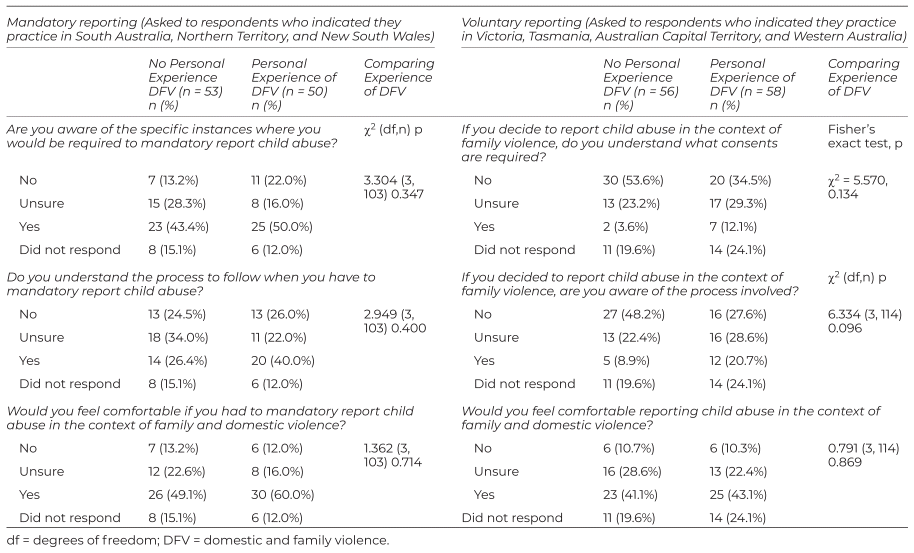
Corresponding author: Sarah Fogarty, Western Sydney University, Locked Bag 1797, Penrith, NSW 2751, Australia, E-mail: s.fogarty@westernsydney.edu.au, Tel: +61405078914
COPYRIGHT
Published under the CreativeCommons Attribution-NonCommercial-NoDerivs 3.0 License.
International Journal of Therapeutic Massage and Bodywork, Volume 18, Number 1, March 2025